- An immigration judge declined to dismiss the case against Tucson DACA recipient Karla Toledo on October sixth, twenty twenty-six.
- The dispute centers on whether Toledo’s return under advance parole counted as admission; the judge did not order her removal.
- A final hearing for Toledo and her husband is scheduled for March twenty-sixth, twenty twenty-seven.
An immigration judge declined on October 6, 2026, to dismiss the deportation case against Karla Toledo, a Tucson DACA recipient whose lawyers say an advance-parole authorization and her DACA status support ending the proceedings. The case will continue.
Toledo’s attorney, Mo Goldman, said her team asked the court to weigh the evidence of her life in the United States. The government argued that her return after travel was parole, not admission.
“When you look at it as a court is supposed to, you're supposed to weigh the positive versus the negative equities.”
The ruling does not order her removal. It leaves the government’s case pending while the court considers the remaining proceedings.
The dispute turns on whether Toledo was admitted or paroled
Goldman said the government’s argument centers on how immigration law treats Toledo’s return. “Well, the government argued that when someone gets paroled into the United States, they're not arguably admitted into the US.” He added: “So what they're saying is that she was not actually admitted to the US; she was paroled.”
That position contests the legal effect of her return. Her attorneys argued that the travel authorization and her DACA approval justified dismissing the government’s charging papers.
The government alleges that Toledo lacked the required authorization or documentation to enter the country. The case includes two charging documents, but the record described in the material does not establish how the judge resolved the underlying allegations.
DACA generally provides deferred action and employment authorization. It does not grant permanent residence or guarantee admission to the United States. Advance parole may allow a temporary, discretionary return, but the consequences can depend on a person’s immigration history and the government’s charges.
A separate account puts the government’s alleged reentry date at October 12, 2024. Toledo’s legal team disputes the government’s account of her immigration history. The court’s ruling lets those issues proceed rather than deciding her ultimate eligibility for relief.
The May arrest brought competing accounts of what happened at home
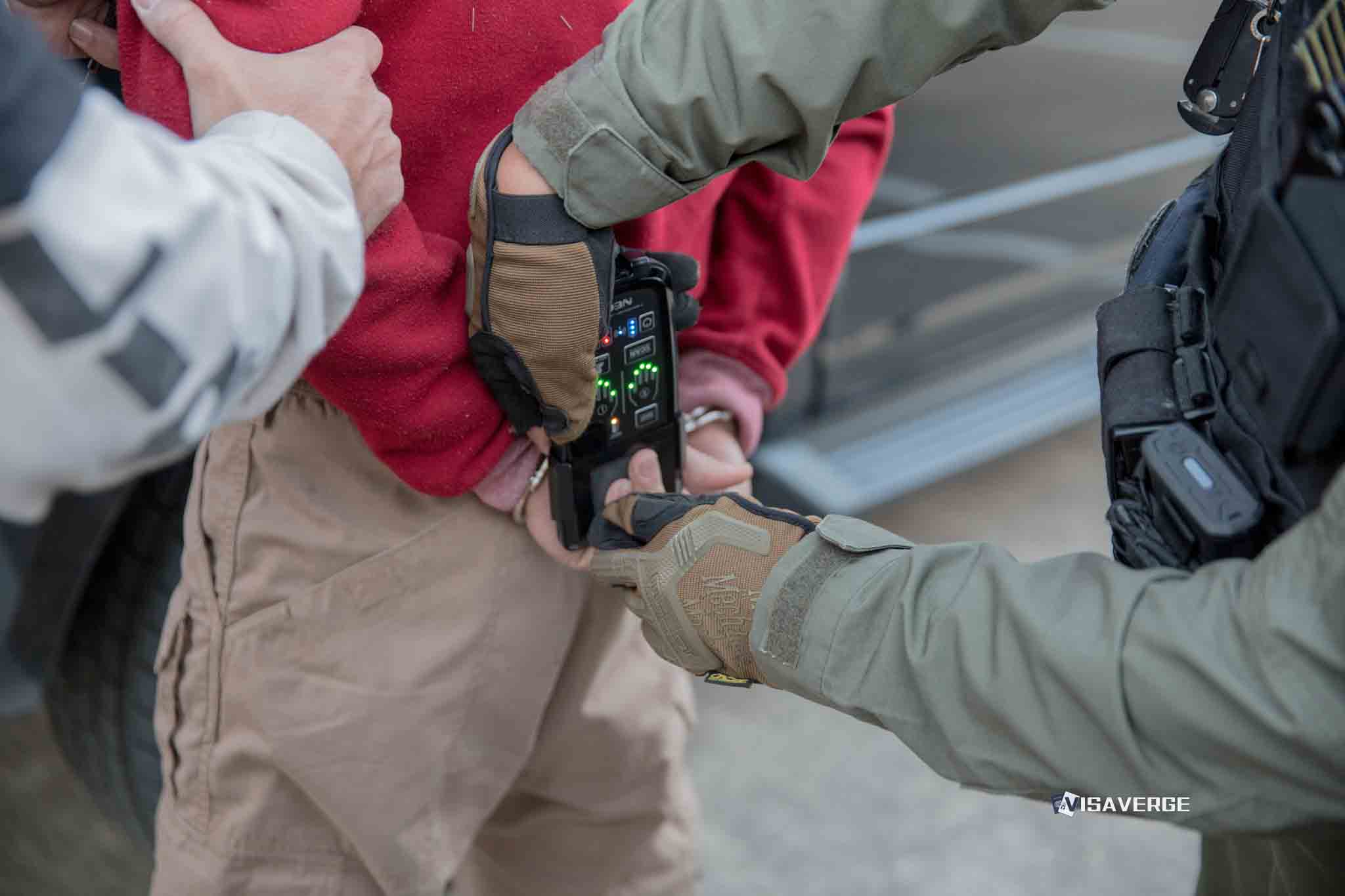
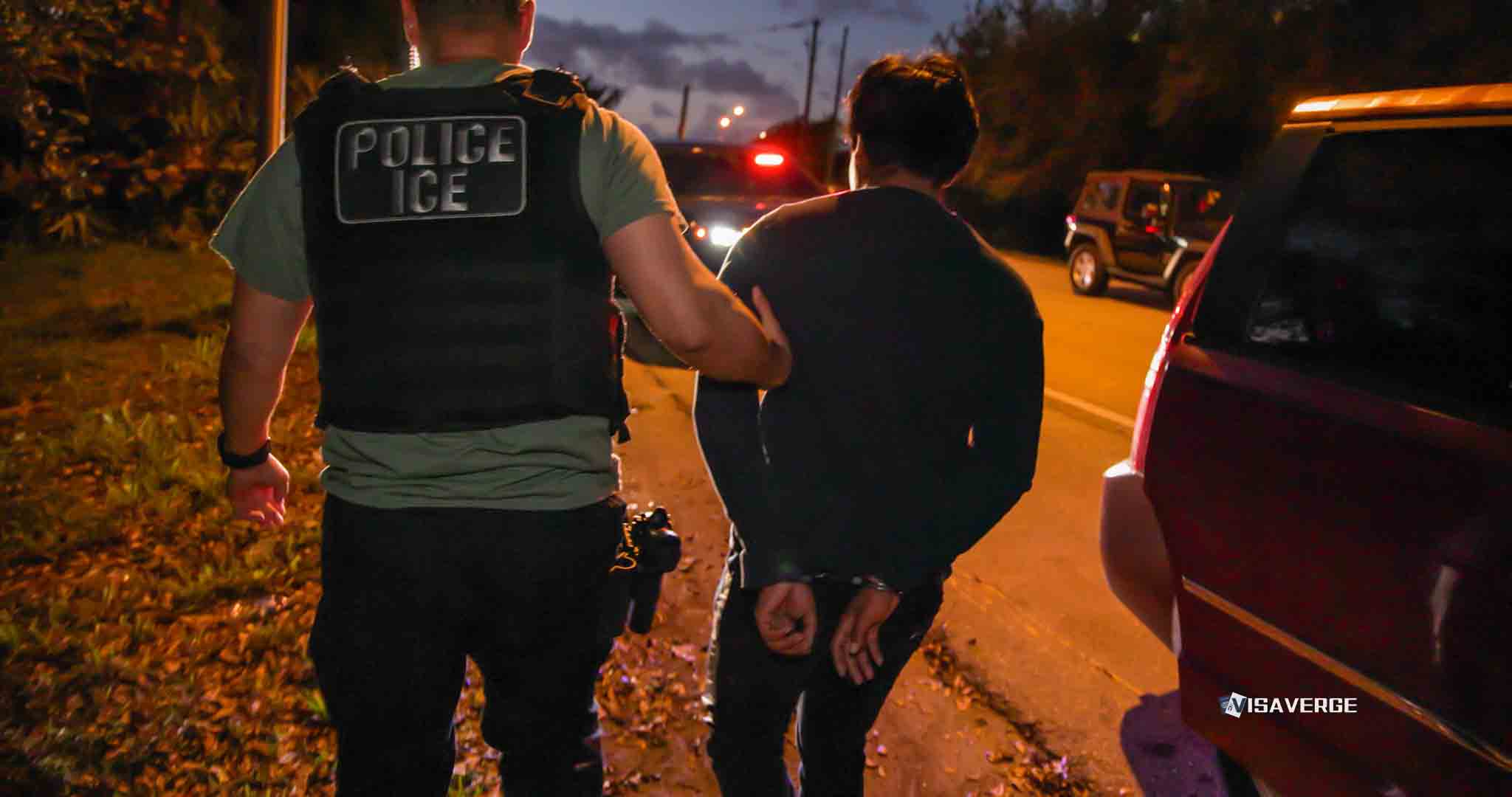
ICE agents arrested Toledo on May 18, 2026, at her home in Tucson’s Flowing Wells neighborhood. Her family said officers forced their way inside without a judicial warrant.
The Department of Homeland Security alleged that Toledo “assaulted a law enforcement officer” during a targeted operation and illegally re-entered the United States in October 2024. Goldman disputed both the alleged assault and the government’s account of her immigration history.
Toledo also denied attacking an officer. “It’s a lie, I never attacked any agent, yes, I yelled at them, but I think anyone would have reacted the same way if they saw ICE agents entering their home without presenting a legal order.”
She said: “Without a doubt, my civil rights were violated; they entered my house without an arrest warrant, and they detained me even though I told them I had DACA.”
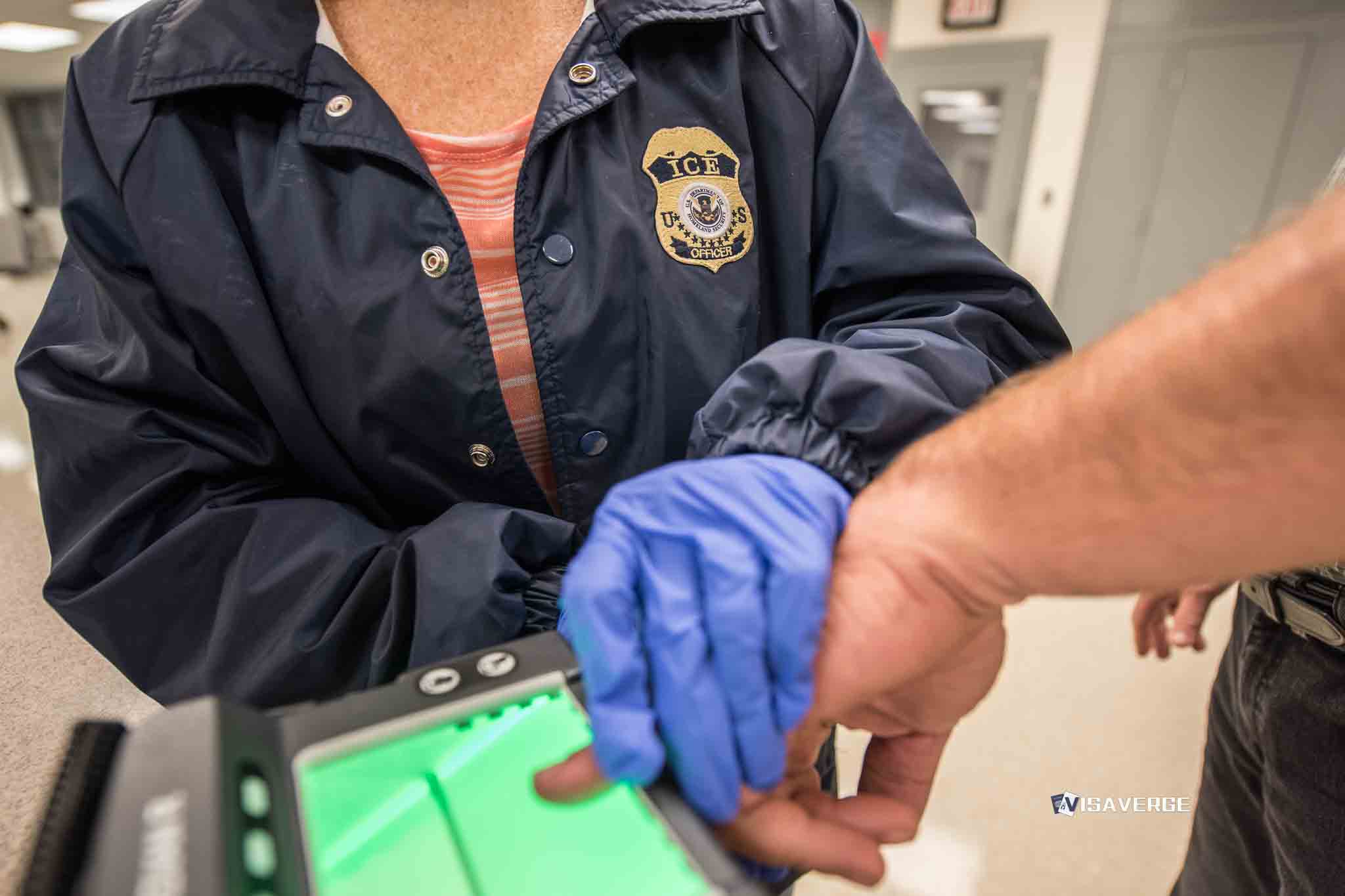
After the arrest, authorities transferred Toledo to the Eloy Detention Center. She was later released. Her DACA renewal remains valid through June 2028.
Toledo, a Mexican-born woman originally from Sonora, is reported to be 30 years old. She is also known online as “Karlangas.” Videos of ICE agents entering her home circulated as community members protested and called for her release.
The case proceeds while Toledo and her husband await a final hearing
Goldman said his team presented letters and evidence of Toledo’s education and long-standing DACA participation. “We presented the court with numerous letters, evidence that she graduated from school.she's had DACA for nearly a third of her life.”
Her attorneys are considering an appeal of the judge’s refusal to dismiss the case. A final immigration-court hearing is scheduled for March 26, 2027, when the court is expected to consider whether Toledo and her husband may remain in the United States.
Her husband is seeking asylum, and the couple’s cases are being considered together in the reported proceedings. The upcoming hearing is expected to address their ability to stay, not simply the question of whether the current case continues.
Toledo said the case has become about more than her own situation. “I think my strength right now is that I’m doing it not just for me, but for other DACA recipients.”
The arrest drew protests amid wider concern among DACA holders
Toledo said she fears the enforcement climate could extend to other people with DACA. “Without a doubt, DACA recipients are in ICE’s sights. I fear that we are becoming a new target to increase their deportation numbers.”
DACA began in 2012 and remains closed to new applicants. Existing recipients generally must renew every two years. Figures attributed to the Department of Homeland Security in a report recorded at least 261 arrests and 86 deportations of DACA recipients from January 1 through November 19, 2025.
Toledo said she plans to continue despite the strain. “I’m going to continue, even though it’s been really hard, because they deserve not to go through the process that I went through being an Eloy and going through the horrific situation.” The immigration court is scheduled to take up the couple’s cases on March 26, 2027.
This article provides general information and is not legal advice. Consult a qualified immigration attorney about your specific case.