- DHS touted naturalizations down 75% as part of its immigration enforcement agenda.
- Naturalization approvals fell 78% from January 2025 to July 2026, while more than 742,000 applications awaited decisions.
- DHS proposed raising online filing fees to $1,280 and paper filing fees to $1,330; the proposal still requires rulemaking.
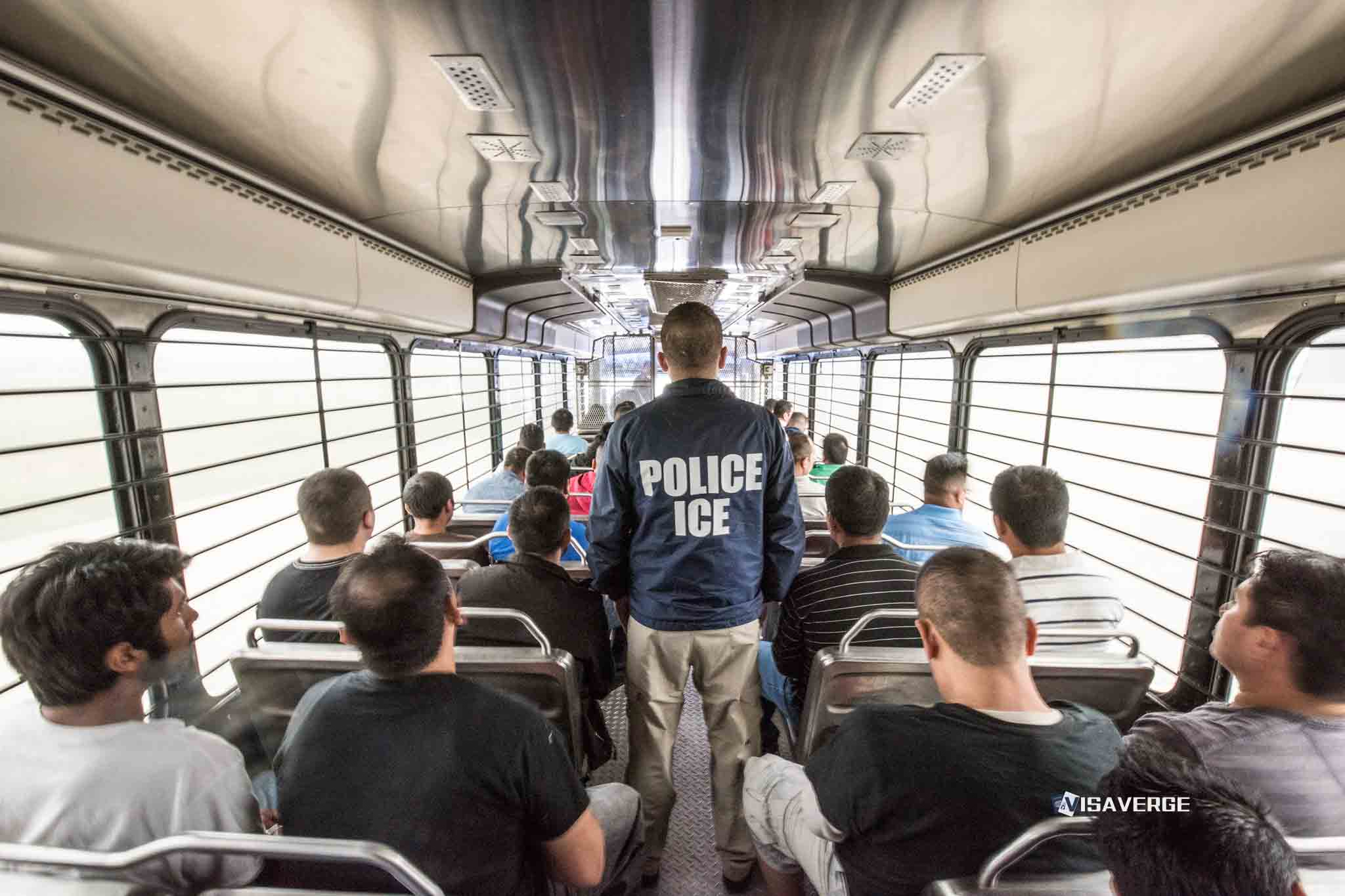
The Department of Homeland Security celebrated falling immigration and naturalization numbers on October 2, 2026, describing “Net negative migration for the first time in HALF a CENTURY” as an administration victory.
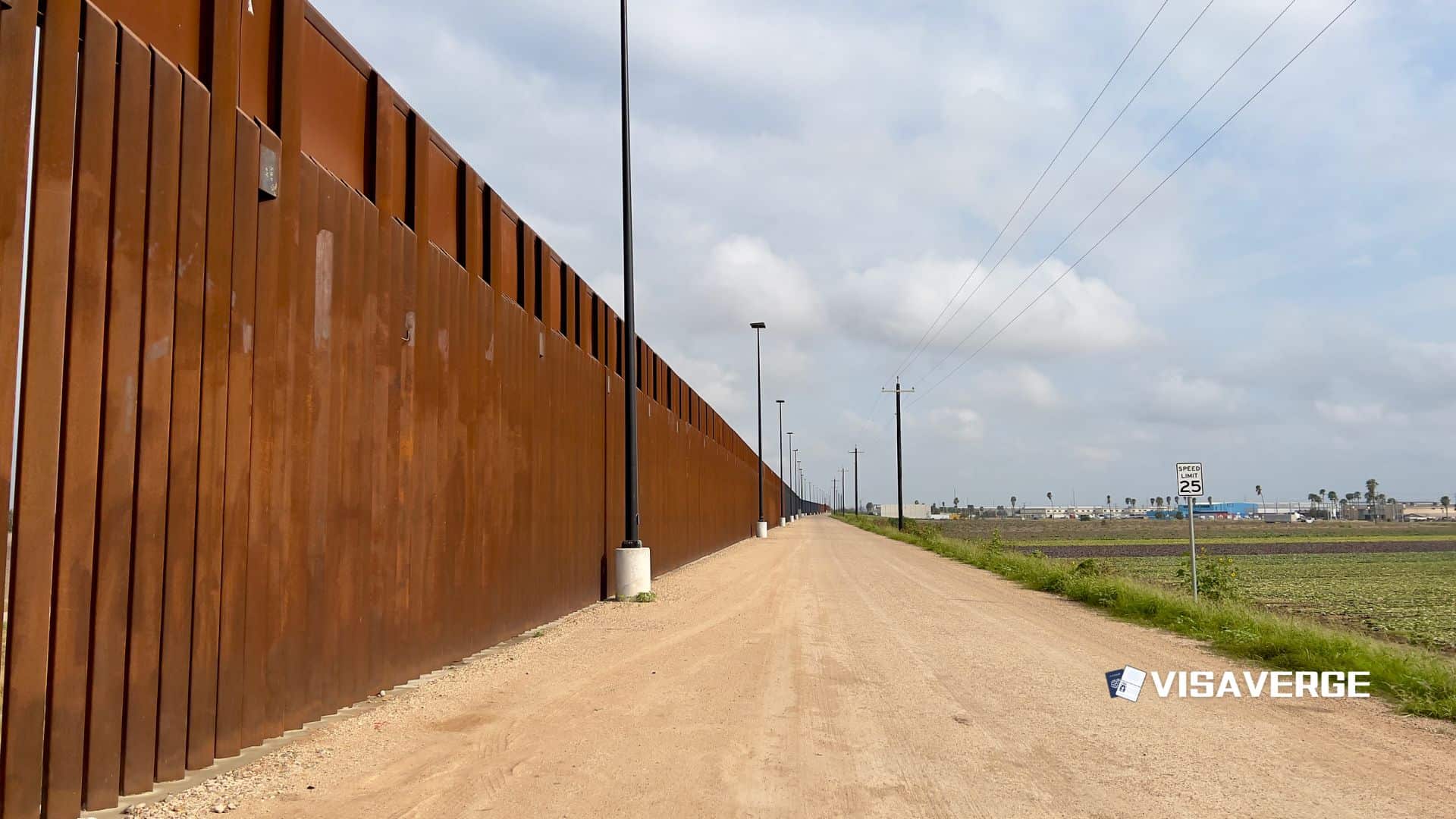
The post also listed “Naturalizations down 75%” alongside “3.3 million removals,” “250,000 visas revoked” and “asylum denials at 94%.” It claimed “2,600+ 287(g) agreements” and said travel was banned from “39 countries.”
Free toolSubstantial Presence Test Calculator
DHS framed the figures as results of the administration’s agenda. The message said: “Americans are amassing victories NEVER seen before thanks to President Trump. We will continue to grow our efforts to fulfill the mandate given to this administration.”
The citizenship figures point to a steep slowdown. A National Foundation for American Policy analysis found approvals fell by 78% between January 2025 and July 2026, while the denial rate climbed from 8.4% to 20.1%.
Monthly approvals that had been around 70,000 in 2024 and 2025 dropped to about 23,000 in 2026. USCIS approved 16,514 applications in July.
More applicants are waiting. More than 742,000 naturalization applications were pending at the end of June 2026, compared with roughly 463,000 in June 2024.
USCIS was on pace to adjudicate about 6.6 million applications in 2026, the lowest total since 2014. One projection put the agency’s pending caseload at 12.6 million cases; a separate analysis counted a record 12.1 million pending cases.
USCIS has tightened review while weighing higher filing fees
USCIS spokesman Zach Kahler said the agency was conducting “more rigorous reviews.” He defended the screening changes in a statement:
“For years, the Biden administration prioritized rubberstamping aliens’ applications for U.S. citizenship with minimal vetting. USCIS, under the leadership of President Trump, is implementing rigorous screening and vetting processes across the country. USCIS will not take shortcuts in the naturalization process.”
An August 15, 2025 memo instructed adjudicators to take a “holistic approach” to naturalization cases. It directed them to consider applicants’ “positive attributes,” rather than focusing only on the absence of negative factors.
USCIS Director Joseph B. Edlow also changed the civics test. Applications filed on or after October 20, 2025 require applicants to answer 12 of up to 20 questions correctly from a pool of 128 questions. The agency also expanded social media screening and revived neighborhood investigations into applicants’ moral character.
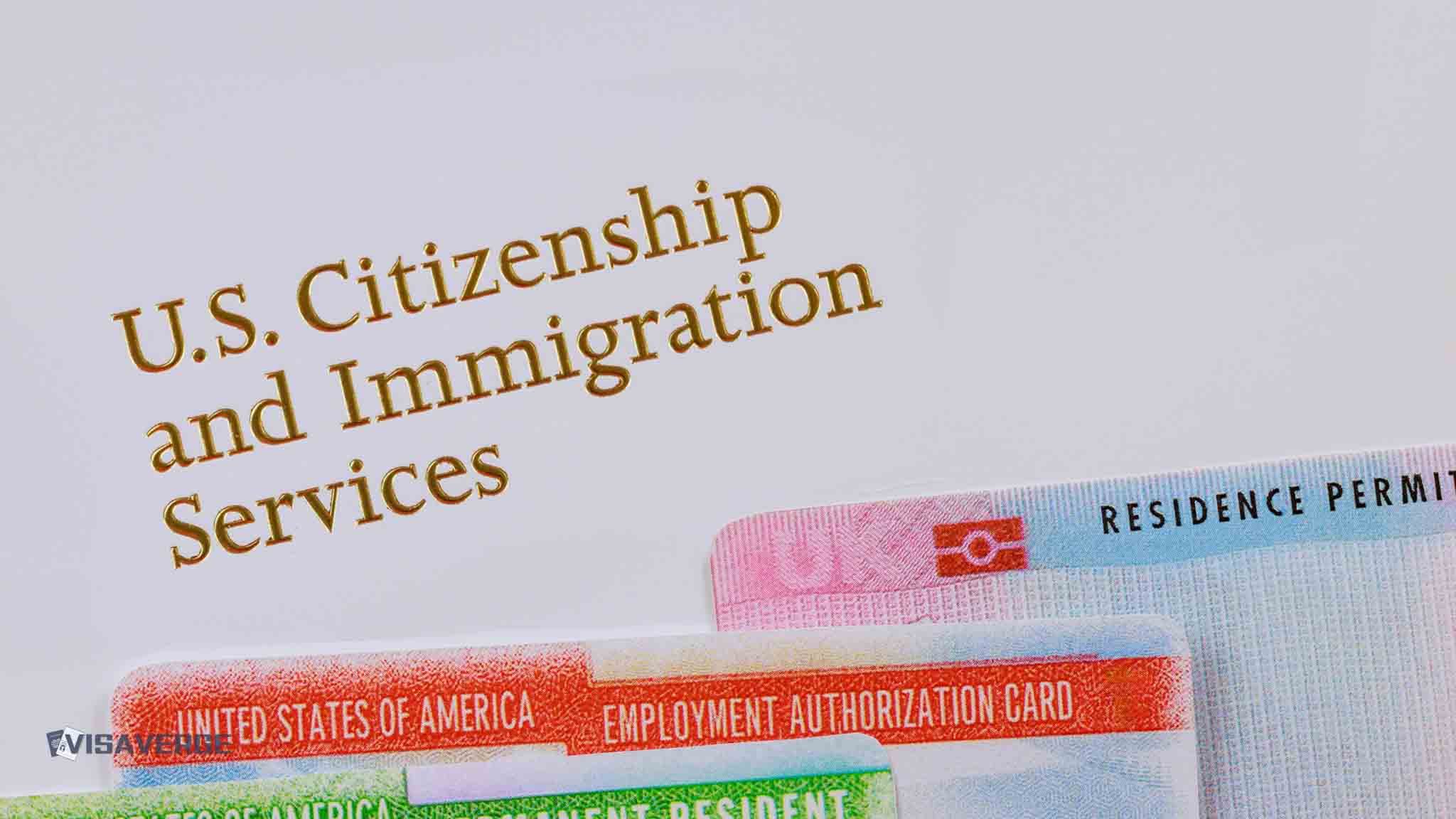
DHS has proposed raising naturalization fees. Under the proposal, online filing would increase from $710 to $1,280, while paper filing would rise from $760 to $1,330. The proposed rule still needed to clear rulemaking steps.
The proposal would also increase the fee for Form N-336, used to seek a hearing after a denied naturalization application, and eliminate fee waivers and reduced fees for low-income applicants. The agency described the changes as part of “rigorous screening and vetting.”
Canceled ceremonies show how slower decisions reach applicants
In Ohio, immigration attorneys said ceremony cancellations and slower adjudications reflect a wider effort to make citizenship harder to obtain. Thirteen naturalization ceremonies in the Cleveland area were canceled in 2026, including almost every ceremony scheduled between May and October.
A separate “hold and review” policy stopped applicants from certain countries from moving forward on visas, green cards or citizenship. A federal court in California overturned the policy affecting 39 countries on August 24, 2026.
USCIS said it “has implemented reforms to ensure U.S. citizenship is reserved for those who qualify.” The agency added: “Naturalization is a privilege, not a right.”
The administration links lower numbers to its enforcement agenda
The administration has cast the declines as intended results, not incidental changes. Critics argue the policies aim to reduce legal immigration and naturalization, while a Third Way projection said legal immigration could fall by 33% to 50% by the end of Trump’s second term.
The effect of fewer naturalizations can extend beyond citizenship itself. Naturalized citizens gain access to later family-based immigration options, so a sustained decline could also narrow those routes.
The proposed fee increases remain subject to rulemaking. The changes to screening and testing are already shaping how applicants face the naturalization process.