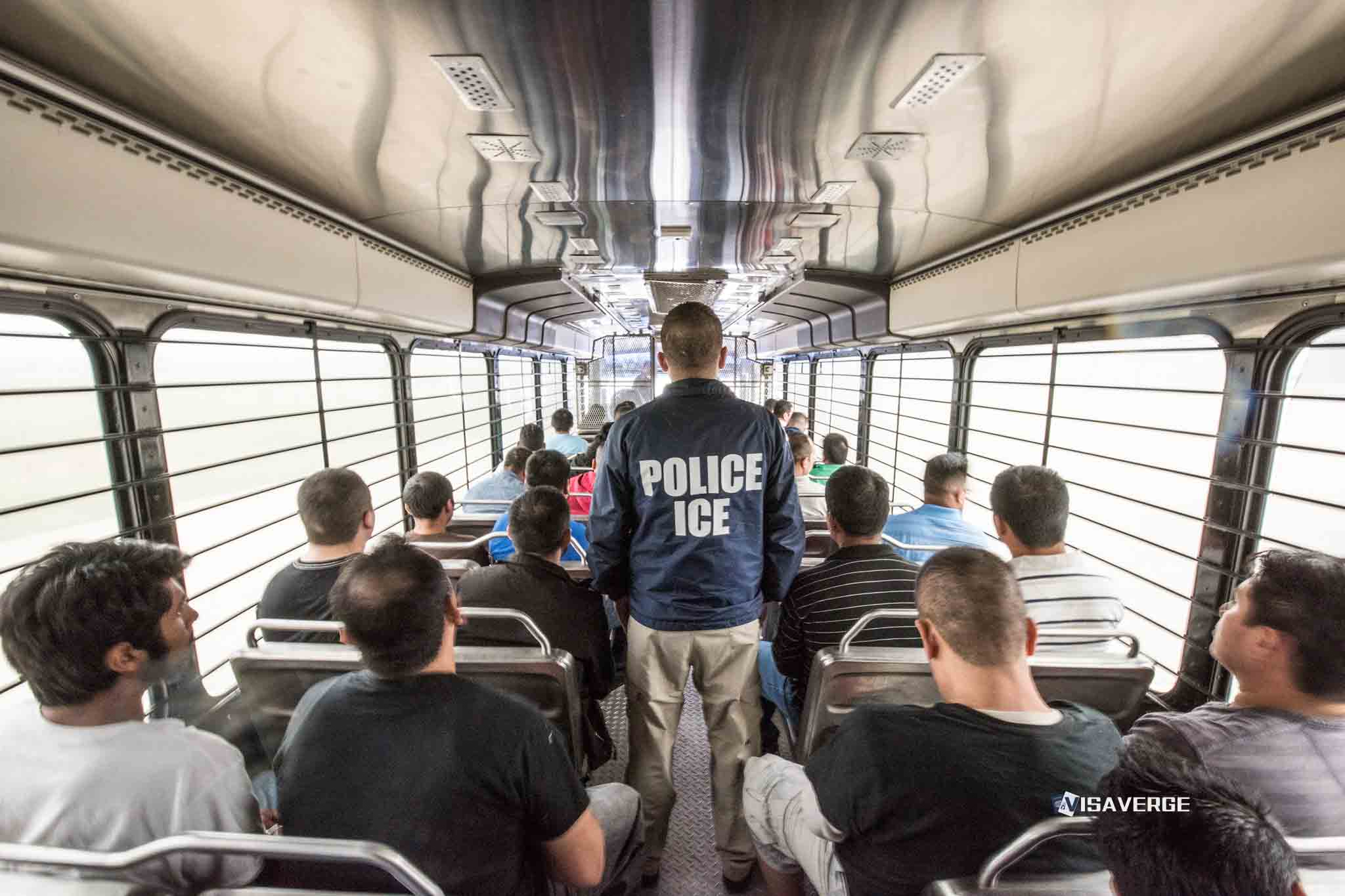
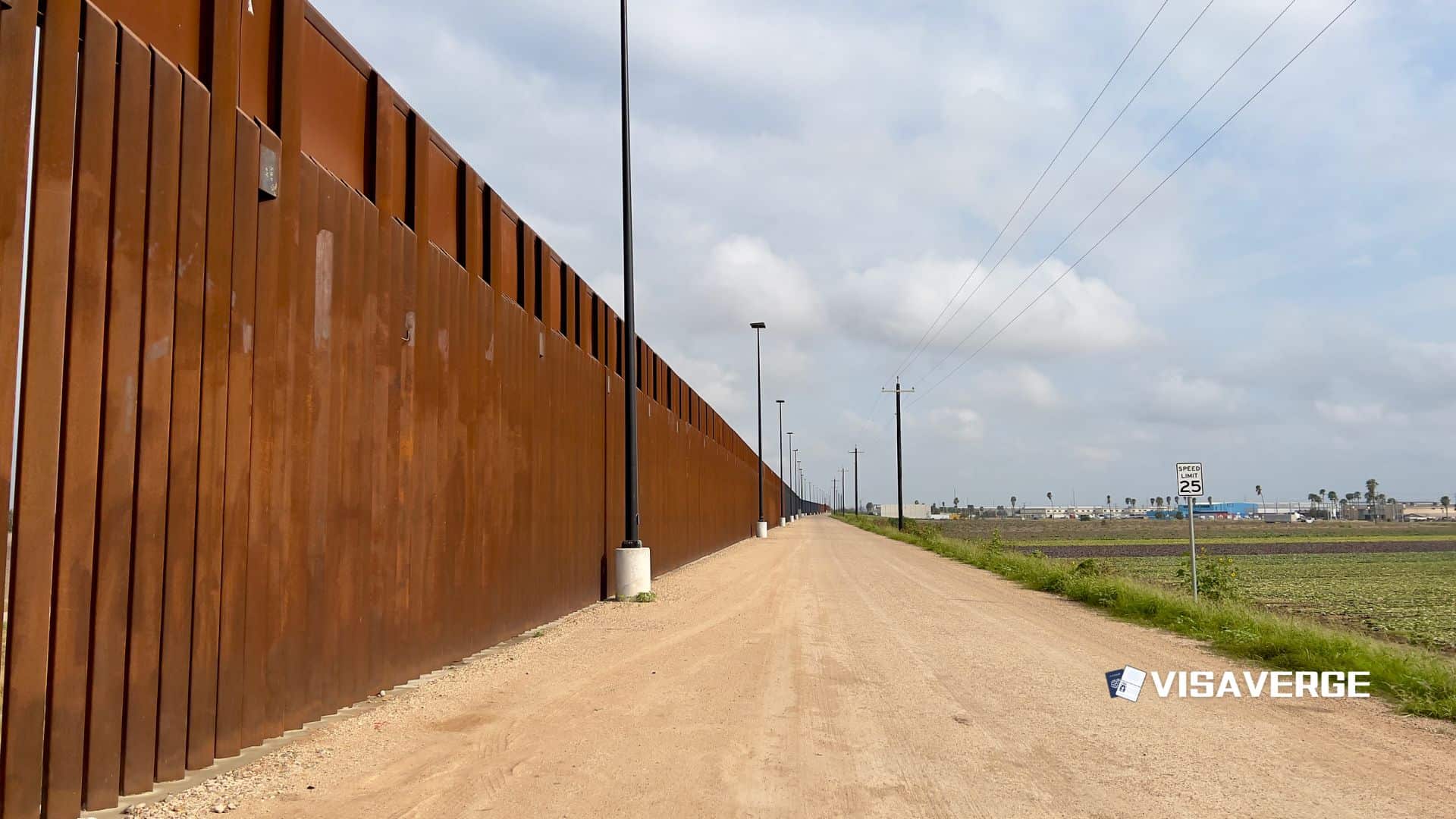
- The administration sent 40 LGBT-protected migrants to six African countries, including three that criminalize same-sex acts.
- Sixteen people remain abroad, some detained, while 16 were forcibly repatriated to their home countries.
- The Supreme Court temporarily allowed third-country removals to continue while litigation proceeds; arguments are set for December.
The Trump administration’s third-country deportation policy sent 40 migrants who had received U.S. protection on LGBT grounds to six African countries. Three of those countries criminalize same-sex sexual acts.
The cases involving LGBT migrants include Sierra Leone, Cameroon and Eswatini, as well as the Central African Republic, Equatorial Guinea and the Democratic Republic of Congo. The record identifies two distinct categories of risk.

The Supreme Court temporarily put a lower-court ruling on hold, allowing removals to continue while litigation proceeds. As of October 5, 2026, arguments in the case are set for December.
The cases document destinations and reported risks, not identical conditions for every person. Individual circumstances differ.
The six destinations carry two different kinds of documented risk
The first group, Sierra Leone, Cameroon and Eswatini, explicitly criminalizes same-sex sexual acts. The other three destinations are the Central African Republic, Equatorial Guinea and the Democratic Republic of Congo.
The State Department has previously documented abuses against LGBT people in those three countries, including “corrective rape” and conversion therapy. Those descriptions are separate from the criminal-law finding attached to the first group.
The six-country breakdown does not establish that every person sent to a particular country encountered the same treatment. It does show that the documented removals included destinations where same-sex relations are criminalized and others where government records describe abuses against LGBT people.
Latifou was sent to Sierra Leone rather than Togo
Latifou was deported to Sierra Leone in June, rather than to Togo. Colonial-era laws there expose gay men to a possible life sentence.
His case illustrates the consequences of being sent to a country other than one’s own. The broader case count, however, includes five other destinations and should not be read as a single-country deportation tally.
The removals extend beyond migrants’ countries of origin
Preliminary government data put the total number of people deported to countries other than their own since Trump returned to office at more than 40,000. About 900 were sent to African countries.
The 40 LGBT-protection cases form a small part of that broader total. The removals rely on arrangements with foreign governments willing to receive people who are not their nationals but are being deported from the United States.
Withholding of removal bars the government from returning someone to the specific country where that person would face persecution. It does not always prevent a transfer to a different country if the government considers that destination available for removal.
That protection can therefore coexist with a third-country transfer. The reported cases involve people who had secured U.S. protection on LGBT grounds, then were sent to countries outside their own.
A Supreme Court pause let deportations continue during the case
Chandler Rebel, a spokesman for the Department of Homeland Security, said the agency does not enforce immigration law based on sexual orientation.
“Immigration and Customs Enforcement ‘does not enforce the law on the basis of sexual orientation, that would be illegal’”
U.S. District Judge Brian Murphy wrote in a February order that the government’s position, that people had not explicitly asked to avoid deportation to repressive third countries, was an “absurdity.” On Tuesday, the Supreme Court put Murphy’s ruling on hold, permitting third-country deportations to continue as the lower-court case moves forward.
The hold is temporary. It allows removals to proceed during the litigation, while arguments are scheduled for December.
Sixteen people remain abroad and 16 were sent home
Sixteen of the 40 people remain in the countries where they were sent, and some are still detained. Another 16 were repatriated to their home countries against their will.
Those figures account for 32 people. The disposition of the remaining eight is not established by the reported totals.
This article provides general information and is not legal advice. Consult a qualified immigration attorney about your specific case.