- A Russian military court sentenced Leonid Melekhin to six years for online speech.
- The conviction covered two counts under Article 205.2, including a Telegram post; details of the second episode remain undisclosed.
- After prison, Melekhin faces a two-year online-platform ban on administering websites and channels.
A Russian military court sentenced Perm activist Leonid Melekhin to six years in a general-regime penal colony on October 5, 2026, after convicting him over online speech. The ruling also bars him from administering websites and channels for two years after his release.
Judge Igor Solomko imposed the sentence at the Central District Military Court in Yekaterinburg. The court convicted him on two counts of publicly justifying terrorism under Article 205.2 of the Russian Criminal Code.
Free toolUSCIS Receipt Number Decoder
One count concerned a Telegram post shared through a channel run by Perm activist Yuri Bobrov. The post featured a poster depicting President Vladimir Putin hanging from a rope.
The poster used the words “murderer,” “fascist” and “usurper,” and included the phrase “a fascist to the gallows.” The case also involved another alleged episode.
The closed trial covered two counts, but only one episode was described
Proceedings began behind closed doors on May 6, 2026, after prosecutor Maria Otradnova requested that the trial be closed. The conviction covered Parts 1 and 2 of the terrorism-justification statute.
The second episode involved an alleged comment, but its contents have not been publicly detailed. The judgment included a separate restriction on managing websites and channels, lasting two years after the prison term.
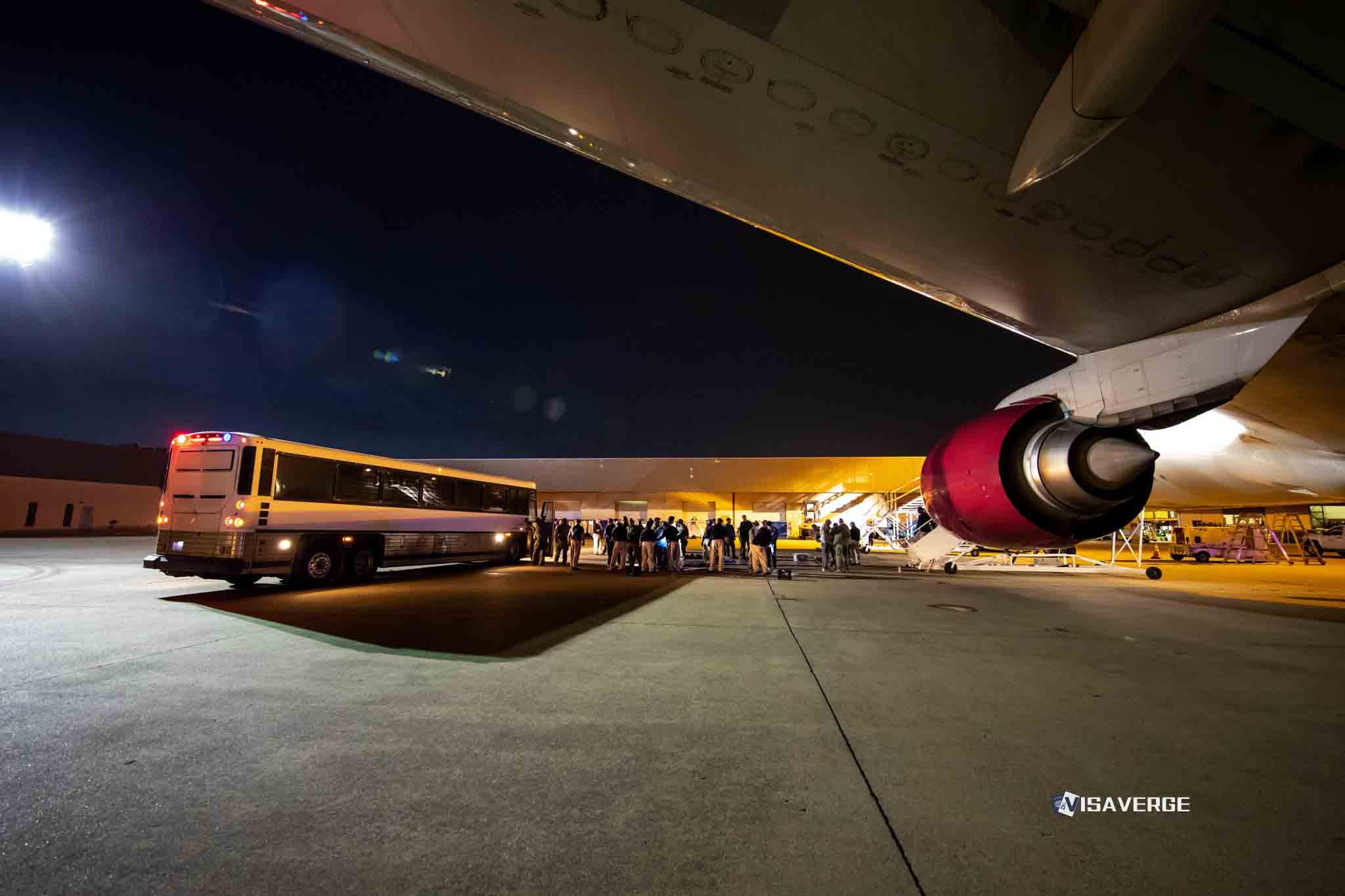
The sentence followed Melekhin’s return from the United States, where he had sought political asylum. He was deported in 2025 and later faced the Russian criminal case.
His asylum bid ended in detention and a return to Russia
Melekhin applied for political asylum in the United States in summer 2024. Authorities denied the application, and he spent about ten months in U.S. immigration detention before going back to Russia in July 2025.
His detention included time at the San Luis immigration facility in Arizona. Valery Kuznetsov, his former state-appointed lawyer, said Melekhin knew about the criminal case in Russia and “asked to be sent back” himself.
That account places the return ahead of the court proceedings that began the following spring. The case later went to trial in Yekaterinburg, where the judge handed down the six-year term.
Russian reports connected his arrest after his return with broader U.S. deportation activity during tightened immigration enforcement under the Trump administration. The case therefore followed both an unsuccessful asylum application and a period in immigration custody.
Advocacy figures described other Russian deportation flights in 2025
Dmitry Valuev, president of Russian America for Democracy in Russia, said deportation flights carrying Russians took place in June, August and December 2025. His account provided a wider backdrop to the period in which Melekhin was returned to Russia.
The conviction carries both a prison term and a post-release restriction on administering online platforms. The court set the restriction at two years.
This article provides general information and is not legal advice. Consult a qualified immigration attorney about your specific case.