- The ACLU released a 139-page report arguing mass deportation weakens democratic safeguards.
- Its 76 allegations cover civil liberties, democratic institutions, and who belongs in the country.
- The group urges Congress to strengthen oversight, increase transparency, and create a broad path to citizenship.
The ACLU released a 139-page report on October 6, 2026, arguing that the Trump administration’s mass deportation agenda is weakening democratic safeguards alongside its effort to remove noncitizens. The report frames enforcement as a threat to constitutional rights and limits on executive authority. It is an advocacy document.
Titled 76 Ways Mass Deportation Is Breaking Our Democracy, the report calls the campaign a “pretext” and a “distraction” from a wider effort to consolidate power. It says the administration has taken “hundreds of actions” over approximately 20 months to expand presidential control, redefine national membership and roll back civil liberties.

The report sorts its claims into three groups, covering civil liberties, democratic institutions and who is treated as belonging in the country. Its authors say the alleged effects reach citizens as well as noncitizens.
The document’s central claim is that deportation policy can affect more than immigration enforcement. The report points to federal activity in U.S. cities and challenges to judicial oversight as part of that argument.
The report divides its 76 allegations among rights, institutions and belonging
| Category | Allegations described in the report |
|---|---|
| Civil liberties | 25 attacks, including alleged restrictions on speech, assembly, protest, privacy and due process |
| Democratic institutions | 40 attacks, including expanded executive power, aggressive ICE practices and resistance to court orders |
| Pluralistic democracy | 11 attacks, including visa and entry bans, efforts to end birthright citizenship and termination of Temporary Protected Status |
The categories encompass the report’s allegations, not judicial findings. Its account of civil-liberties concerns includes effects on both citizens and noncitizens. The institutional section argues that enforcement has weakened court oversight and expanded presidential authority.
The examples span surveillance, protests and removals abroad
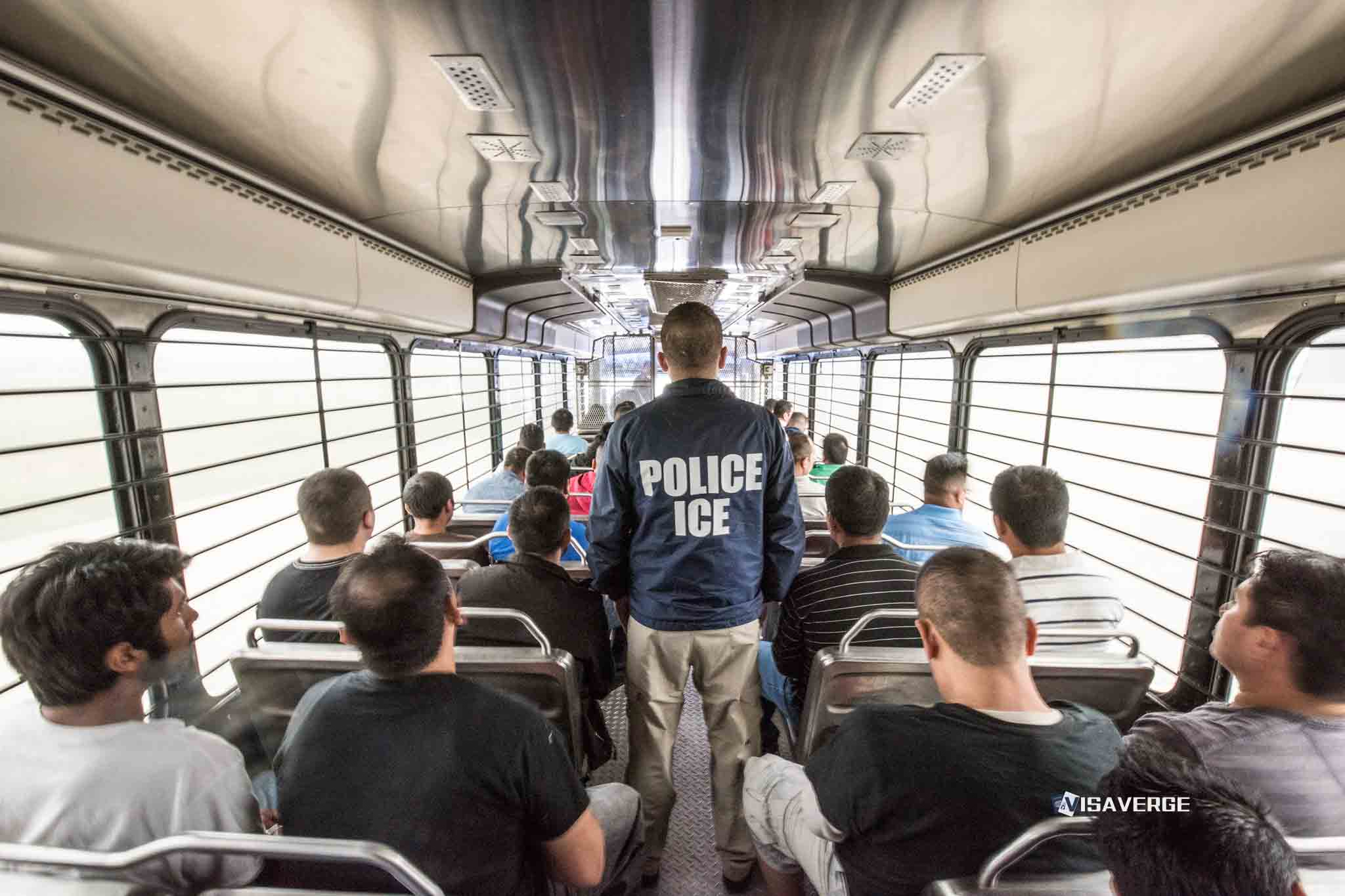
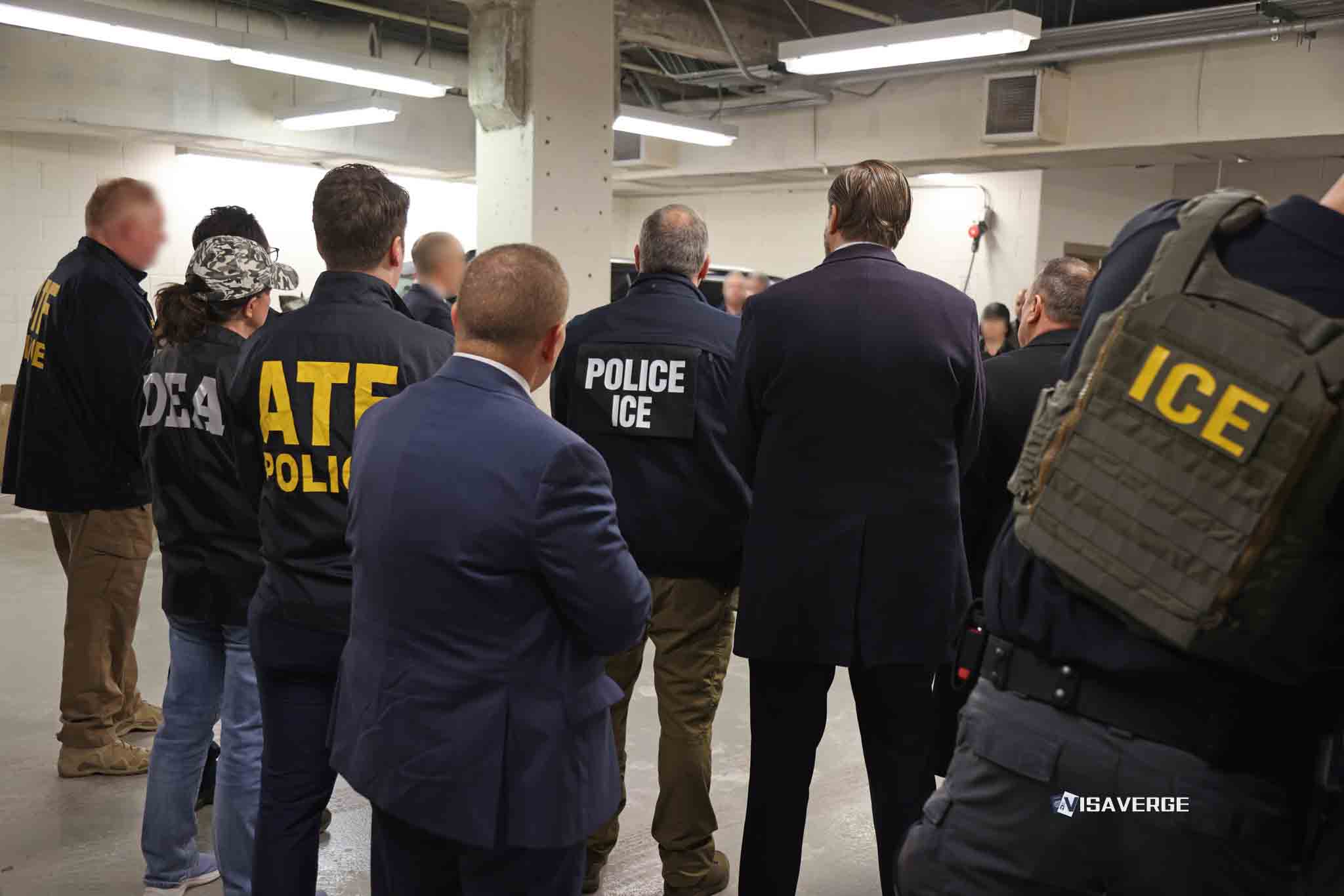
The report cites federal immigration and military deployments in U.S. cities, visa and lawful-status revocations, and actions against immigrant-rights protesters. It also describes surveillance, detention and removals to third countries as parts of the enforcement system.
One concern involves license-plate readers used to track movement across the country. The report also warns that detention can lead to people being sent to prisons in countries with which they have little or no connection. Those claims widen the focus beyond arrests at homes or workplaces.
The group says enforcement has also targeted journalists, political opponents, protesters and immigrant-rights advocates. It links those cases to concerns about free speech and assembly, rather than treating them solely as immigration matters.
The document identifies visa and entry restrictions, the effort to end birthright citizenship and the termination of Temporary Protected Status as measures that could narrow who is viewed as belonging in the United States. Its broader argument ties immigration policy to political membership and access to legal status.
Arrest patterns and detention figures provide enforcement context
The report appeared amid what the group describes as record-high ICE arrests. It says the agency has moved from large public raids toward more targeted arrests following public backlash.
Transactional Records Access Clearinghouse data put the immigration detention population at approximately 65,800 people in July 2026. About 71% were identified as having criminal convictions. The figures describe detention, not the report’s count of alleged democratic harms.
A November 2025 Cato Institute report found that 5% of ICE detainees had violent convictions. Those statistics add context to the detention system discussed in the report; they do not resolve its broader claims about the use of enforcement powers.
The group asks Congress to tighten oversight and change immigration policy
The report calls on Congress to create a broad path to citizenship and modernize border-processing and immigration policies. It also seeks stronger accountability and transparency across executive agencies.
Its proposed oversight measures include more congressional scrutiny of agency conduct and restrictions on aggressive Department of Homeland Security enforcement tactics. The recommendations also call for stronger constitutional protections and institutional checks on executive power.
The document is the fourth installment in the group’s immigration-vision series, which examines effects on communities, democratic institutions, industries and the workforce. Its conclusions are advocacy positions, not judicial findings or binding legal authority. Individual policies remain subject to litigation, statutory requirements and constitutional review.