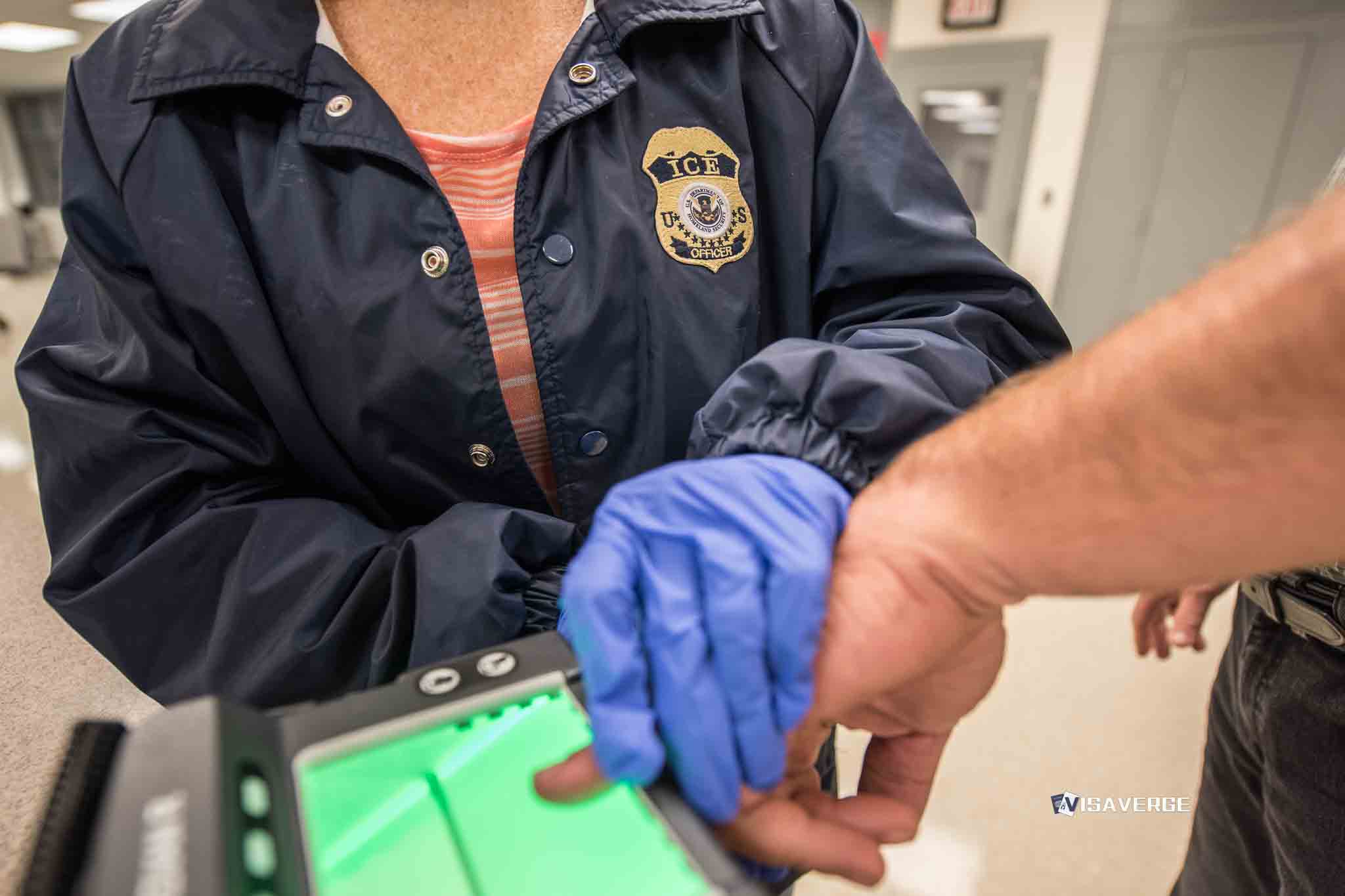
- A Tucson immigration judge dismissed Karla Toledo’s case without prejudice after her release from ICE detention.
- The dismissal provides temporary relief but allows the government to refile removal proceedings in the future.
- Toledo, a DACA recipient, faced allegations of assault but no criminal charges were ever filed.
(TUCSON, ARIZONA) – A dismissal without prejudice is one of the clearest short-term defenses against removal when the government decides not to pursue a case, but it does not erase the risk of future proceedings. That is the posture of Karla Toledo, a Tucson DACA recipient whose removal case was dismissed by an immigration judge after her ICE detention and later bond release.
The reported outcome was favorable, but narrow. Toledo’s case was dismissed without prejudice, which means the Department of Homeland Security, acting through ICE counsel, may file the case again later. She had already been released on bond from the Eloy Detention Center before the dismissal, and her attorney, Mo Goldman, said the result means she is not in active removal proceedings now and is not, at this point, a removal priority.

In removal defense practice, a dismissal without prejudice usually reflects prosecutorial discretion, changed facts, or defects the government has chosen not to litigate at that moment. It is not the same as winning lawful status. It is also different from termination with prejudice, which would limit the government’s ability to refile the same case. The practical effect is temporary breathing room, not permanent protection.
Immigration judges operate within a regulatory system that permits dismissal in specific circumstances. Charging documents, called Notices to Appear, are governed by INA § 239 and related regulations, including 8 C.F.R. § 1239.2. Bond custody decisions generally arise under INA § 236 and 8 C.F.R. § 1236.1(d). A person released on bond remains removable if DHS chooses to continue or restart proceedings.
Toledo’s reported facts matter because ICE had alleged she assaulted an officer, yet her legal team said no criminal charges were filed. Local reporting also indicated she had DACA and no criminal record. In immigration court, the absence of criminal charges does not automatically end a case, but it can affect detention, bond arguments, prosecutorial discretion, and the government’s willingness to keep pressing removal.
DACA, or Deferred Action for Childhood Arrivals, does not grant lawful immigration status. It is a form of deferred action that typically defers removal for a set period and may carry work authorization. A DACA recipient can still be placed in proceedings, especially if ICE alleges public safety concerns or claims the person falls outside enforcement priorities. Whether deferred action remains valid in a particular case often requires a file review and, in some matters, a parallel inquiry with USCIS.
Warning: A dismissal without prejudice does not close the door on future ICE action. Keep copies of the dismissal order, bond paperwork, DACA approval notices, work permits, and any criminal court records showing no charges or a dismissal.
The defense strategy in cases like Toledo’s usually has four parts. First, counsel challenges the factual basis for detention or removability. Second, counsel seeks release from custody through bond if the person is eligible. Third, counsel presses for prosecutorial discretion, including dismissal, where the equities are strong. Fourth, counsel preserves backup relief if DHS refiles. The strongest version of that strategy depends on documents, not headlines.
Evidence that typically helps includes identity documents, proof of DACA approvals and renewals, school and employment records, family ties, tax filings, community support letters, and records showing compliance with prior immigration appointments. If ICE alleges violence or a public safety issue, certified criminal dispositions are essential. If no charges were filed, counsel usually tries to document that point clearly and early. In custody cases, attorneys also present evidence of a fixed address, employment, and family support to address flight risk and danger concerns.
Bond decisions turn on separate standards. Under Matter of Guerra, 24 I&N Dec. 37 (BIA 2006), immigration judges generally weigh community ties, employment history, immigration history, criminal record, appearances in court, and any evidence bearing on danger or flight risk. Release on bond from Eloy suggested that the court or DHS found continued detention was not required under the record presented at that stage. That does not control the final outcome of removability, but it often shapes the government’s later litigation choices.
Some facts make dismissal more likely. No filed criminal charges helps. A clean or limited record helps. Current or recent DACA approvals may help, although DACA alone is not a defense to removability. Long residence in the United States, steady work, caregiving duties, and strong compliance history may also support prosecutorial discretion. Weak records, missed hearings, prior removal orders, fraud findings, gang allegations, or convictions involving violence, drugs, or moral turpitude typically make dismissal harder and detention more likely.
Deadline risk: If ICE refiles, hearing notices may go to an old address. Noncitizens in proceedings must usually report address changes on Form EOIR-33. Missing a hearing can lead to an in absentia removal order under INA § 240(b)(5).
There are also hard legal limits. Certain noncitizens face mandatory detention under INA § 236(c), which can block bond before the immigration judge. Prior removal orders can trigger reinstatement under INA § 241(a)(5), a separate and often harsher process. False claims to U.S. citizenship, some fraud findings, and particular criminal convictions may shut off relief or create separate grounds of removability. DACA recipients are not exempt from those bars.
Outcome expectations should stay measured. A dismissal without prejudice usually means the person is out of active proceedings for now. It does not produce lawful permanent residence, asylum, cancellation, or any other immigration benefit by itself. DHS may decide not to refile. DHS may also revive the case if facts change, priorities shift, or a later arrest occurs, even if that arrest never leads to a conviction. In many cases, the most valuable feature of a dismissal is time to stabilize status, renew deferred action if available, gather records, and evaluate longer-term options with counsel.
That attorney role is central, especially after ICE detention. A qualified immigration lawyer can obtain the charging documents, review custody determinations, test the legal sufficiency of the allegations, and push for either dismissal or a defensible path if the case returns. People with DACA histories often have layered records across USCIS, ICE, and EOIR. Small inconsistencies between those files can become major problems if they go unaddressed. Cases involving alleged assaults on officers require even more care, because uncharged conduct can still appear in immigration records and bond files.
Toledo’s reported position is better than it was in May. She was released on bond, the removal case was dismissed, and no criminal charges had been filed on the allegation ICE raised. The legal posture still remains conditional. A without-prejudice dismissal leaves the government room to start again. DACA recipients in similar situations should treat that kind of order as a temporary defense result, preserve every document, maintain current address information with the court and DHS, and speak with experienced immigration counsel before any new contact with ICE or local law enforcement.
Official court information is available through the Executive Office for Immigration Review at Office for Immigration Review. USCIS information on deferred action and related records is available at Lawyer Referral.
⚖️ Legal Disclaimer: This article provides general information about immigration law and is not legal advice. Immigration cases are highly fact-specific, and laws vary by jurisdiction. Consult a qualified immigration attorney for advice about your specific situation.