- ICE dropped removal proceedings against Dulce Consuelo Diaz Morales after she provided a valid U.S. passport.
- The Maryland native spent 25 days in custody due to administrative errors and identity confusion.
- A U.S. passport serves as conclusive proof of citizenship, forcing the government to cease enforcement actions.
(PRINCE GEORGE’S COUNTY, MARYLAND) – ICE has dropped removal proceedings against Dulce Consuelo Diaz Morales after the government received her U.S. passport, ending a six-month case that turned on a basic legal point: a U.S. citizen is not removable, and once citizenship is established, the case should end.
The dismissal, filed by the Department of Homeland Security on June 15, 2026 for good cause and confirmed the next day, does not create a published precedent such as Matter of Dhanasar, 26 I&N Dec. 884 (AAO 2016). It is still instructive. It shows how removal cases can continue for months after a citizenship claim is raised, especially when DHS relies on prior administrative records, including an A-number, to argue that the person in custody is a noncitizen.
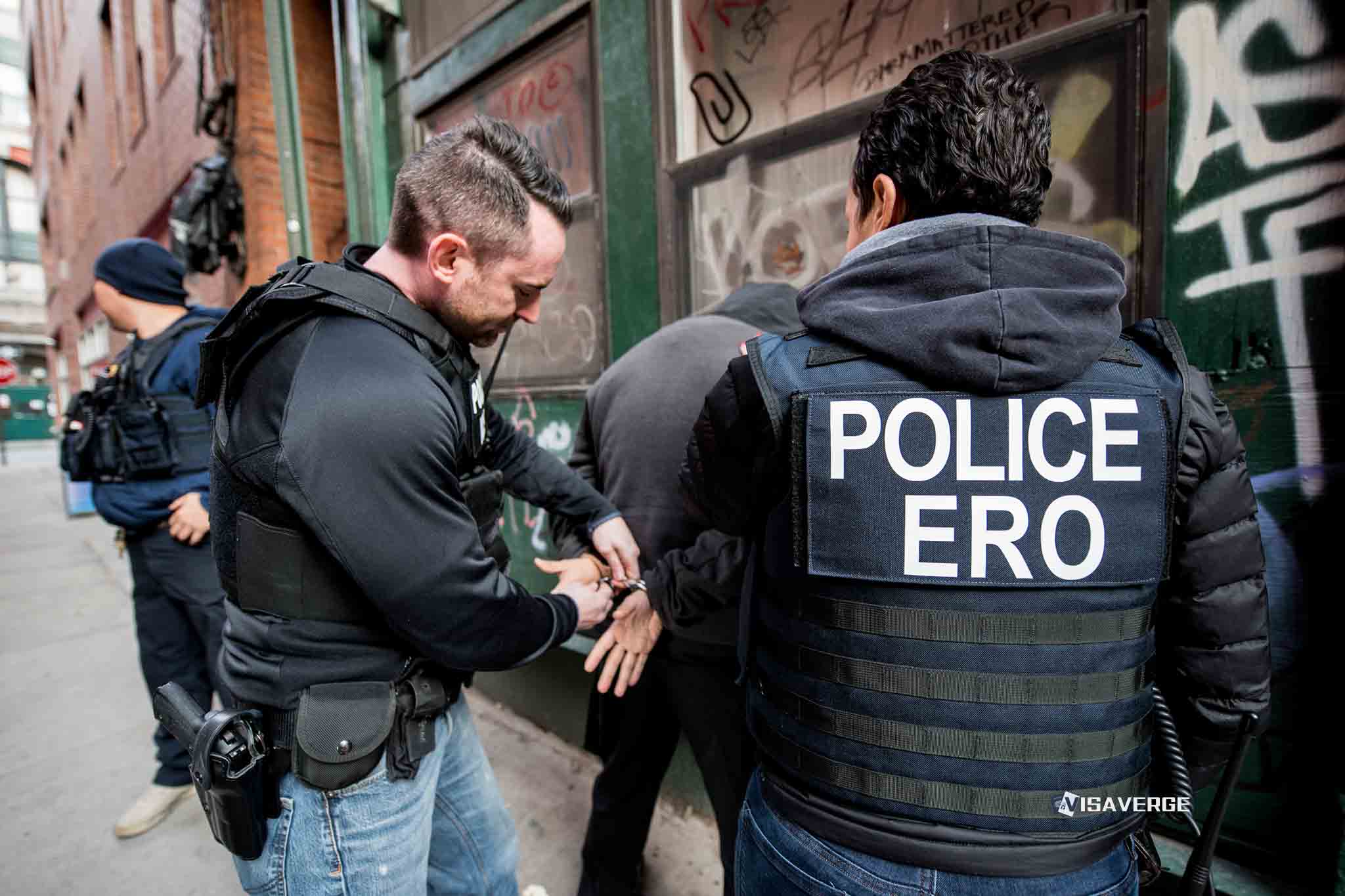
The practical effect reaches beyond one Maryland case. In removal proceedings, DHS must prove alienage under INA § 240(c)(3)(A) and 8 C.F.R. § 1240.8(c). A person who establishes U.S. citizenship is not subject to removal under the Immigration and Nationality Act. Diaz Morales’s case shows how that legal rule may collide with enforcement records created earlier, then repeated later as if they settled the issue.
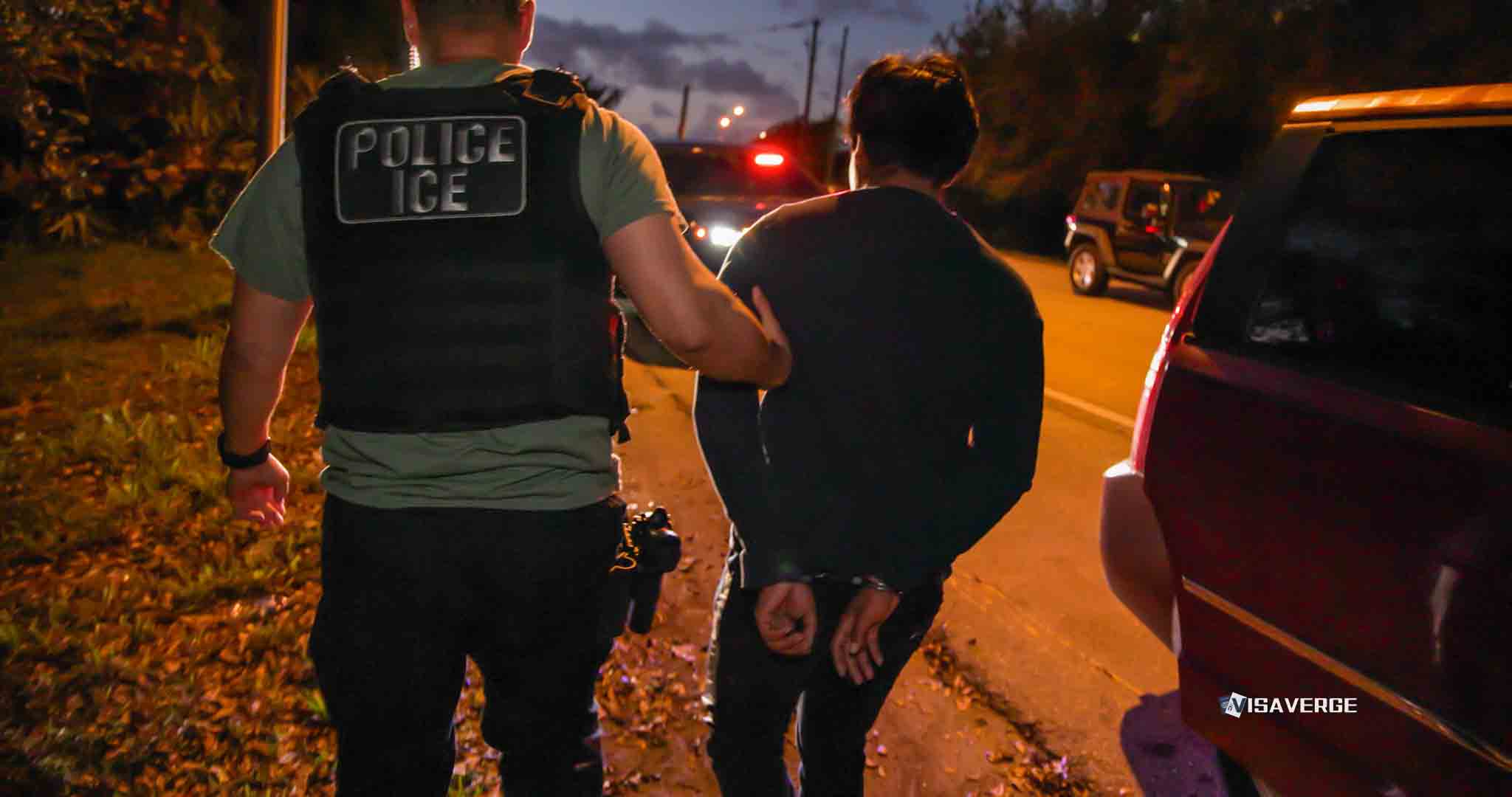
Free toolSubstantial Presence Test CalculatorDiaz Morales was born in Laurel, Maryland, on October 18, 2003. ICE arrested her on December 14, 2025, during a traffic stop in Baltimore. DHS alleged that she was a Mexican citizen previously encountered in Lukeville, Arizona, in 2023, and that she had missed an immigration hearing. The government identified her as “Dulce Consuelo Madrigal Diaz,” not Dulce Consuelo Diaz Morales.
She spent 25 days in custody and was transferred five times across facilities in Maryland, Louisiana, Texas, and New Jersey. After her release in January 2026, the government kept her on an ankle monitor while removal proceedings continued for about five more months. The case closed only after she obtained a U.S. passport on June 1, 2026, which her legal team presented to DHS.
DHS had taken the opposite position at the start of the case. In December 2025, a DHS spokesperson said she was “an illegal alien from Mexico” and said she had not produced a birth certificate or other evidence supporting a citizenship claim. By June 16, 2026, DHS confirmed there was no ongoing effort to deport her, while offering little public explanation for the earlier detention and continued supervision.
That sequence matters legally because a passport occupies a distinct place in citizenship disputes. A valid, unrevoked U.S. passport is often treated as strong proof of citizenship in immigration and related proceedings. It may not erase every factual dispute in every forum, but as a practical matter it can force the government to retreat when prior records are weaker than the citizenship evidence now in hand.
Warning: A state birth certificate may be powerful evidence, but agencies may still contest identity or claim the record belongs to a different person. A passport, passport file, and related vital records may become central evidence in a citizenship case.
The record described publicly suggests an administrative identity problem that hardened into an enforcement case. Her attorneys said she had been mistakenly processed as a noncitizen during an emergency border crossing without documents, and that this led to the creation of an A-number. Once that number existed, it appears to have been treated as confirmation of alienage rather than a record that itself needed scrutiny. That is a recurring problem in immigration enforcement: a database entry may drive later decisions, even where the underlying facts remain disputed or wrong.
Removal law has long placed heavy weight on proof of alienage, but the burden is not static. DHS must first establish alienage. If the government shows foreign birth, a presumption of alienage may arise, and the respondent may then need to come forward with evidence of citizenship. Cases can become especially difficult where names vary, records conflict, or earlier encounters were logged under incomplete information. That is one reason counsel often moves quickly to obtain certified birth records, passport records, school records, and testimony from relatives.
The facts here also raise due process concerns, though no published ruling resolved them. A native-born U.S. citizen was detained, moved through multiple states, placed on electronic monitoring, and kept in proceedings for months. In a future federal civil case, issues could include mistaken detention, recordkeeping failures, and whether officers adequately reviewed available citizenship evidence before continuing enforcement. Those questions would depend on facts not yet tested in published findings.
The case arrives during a period of stepped-up enforcement in 2025 and 2026. Maryland’s policy response moved in the other direction. State debate over the Community Trust Act and the end of local 287(g) cooperation reflected concern that local policing can feed federal civil immigration arrests. Governor Wes Moore signed legislation in 2026 limiting state and local participation in federal civil immigration enforcement. Diaz Morales’s case is likely to be cited in those debates because it joins enforcement error with the detention of a citizen.
No clear circuit split appears on the basic proposition that U.S. citizens cannot be removed. The harder disputes usually concern evidence, burden shifting, and remedies after an erroneous arrest or detention. Different courts may treat claims involving identity confusion, passport evidence, or damages actions differently. Anyone litigating a similar case should pay close attention to circuit-specific precedent and to the procedural posture, whether the issue arises in immigration court, habeas litigation, or a civil damages suit.
Practice point: If citizenship is in dispute during removal proceedings, counsel may need to seek a continuance, file evidence promptly, and press DHS to review passport and vital records without delay. Delays can extend detention and supervision even where the citizenship claim is strong.
Citizenship cases often turn on speed and documentation. A person arrested by ICE who claims birthright citizenship may need certified birth records, a passport application file, hospital records, school records, and family affidavits. If the person is detained, counsel may also need to challenge custody separately while the immigration case proceeds. Where identity confusion is involved, small differences in surname order, date of birth, or prior encounters can become central.
Public verification remains limited but straightforward. DHS posts official statements at DHS Newsroom. ICE enforcement announcements appear at ICE Newsroom. USCIS posts citizenship and agency updates at USCIS Newsroom. Practitioners may also consult EOIR for court process materials and Cornell’s Legal Information Institute for the text of statutes and regulations.
Cases like this usually require fast, fact-specific lawyering. A citizenship claim may appear obvious to a family and still become entangled in agency databases, name variations, or prior border records. Anyone facing detention, electronic monitoring, or removal proceedings while asserting U.S. citizenship should consult a qualified immigration attorney immediately, and may also need counsel experienced in federal litigation if wrongful detention claims are being considered.
Resources: AILA Lawyer Referral
Immigration Advocates Network
⚖️ Legal Disclaimer: This article provides general information about immigration law and is not legal advice. Immigration cases are highly fact-specific, and laws vary by jurisdiction. Consult a qualified immigration attorney for advice about your specific situation.