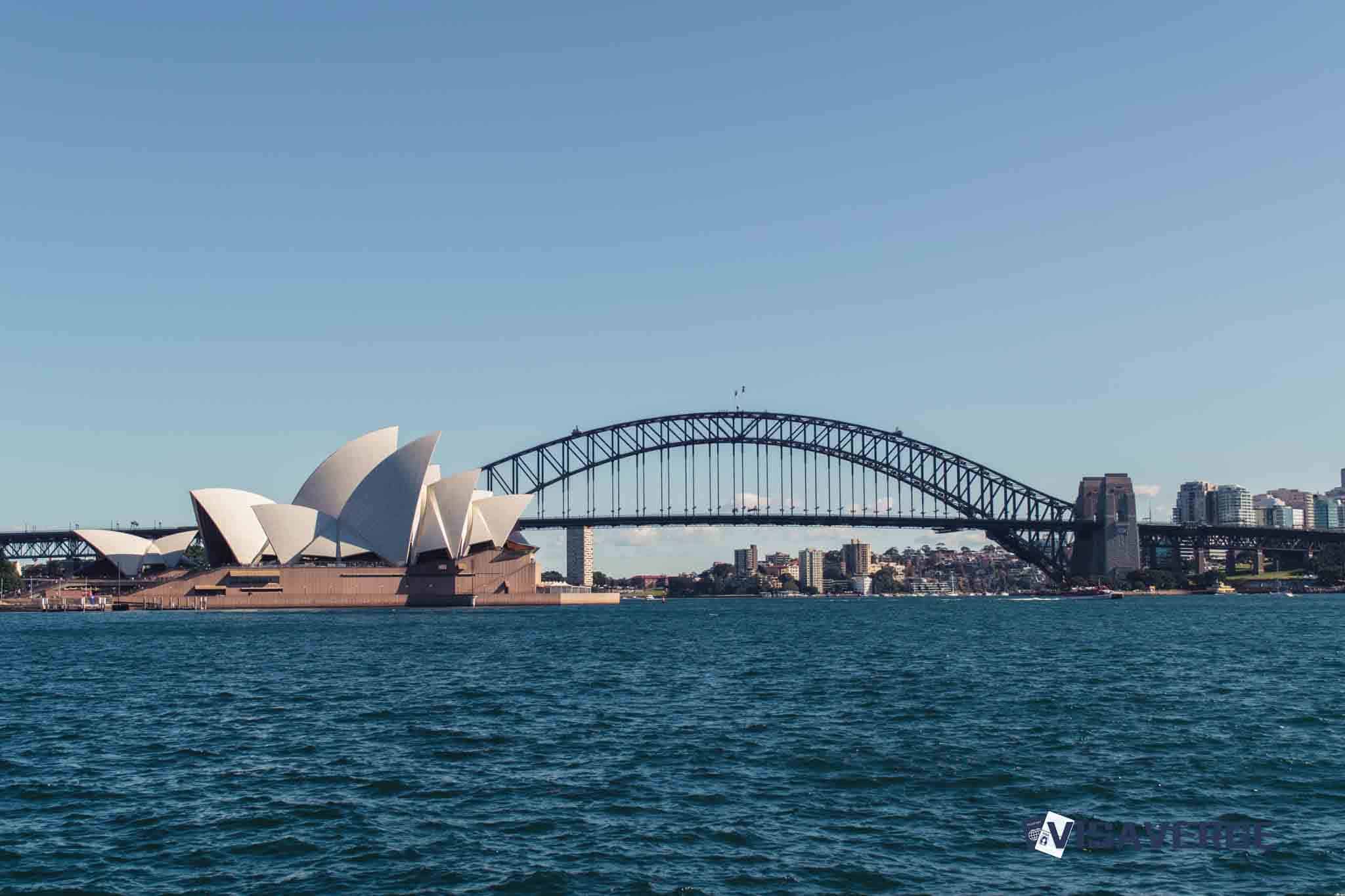
- Travelers are shifting summer plans to September and October for better value and cooler weather.
- Marquee trip bookings have dropped to thirty-five percent as consumers wait for last-minute deals.
- Expected travel spending has increased seventeen percent to an average of four thousand sixty-nine dollars.
Travel suppliers are preparing for a late-booking surge in September and October as demand shifts later in the season and travelers grow more price-sensitive.
Deloitte found that the share of all summer trips taking place post-Labor Day (September 7) rose from 12% in 2022 to 20% in 2026. The same data showed 35% of marquee trips are already fully booked, down from 39% last year.
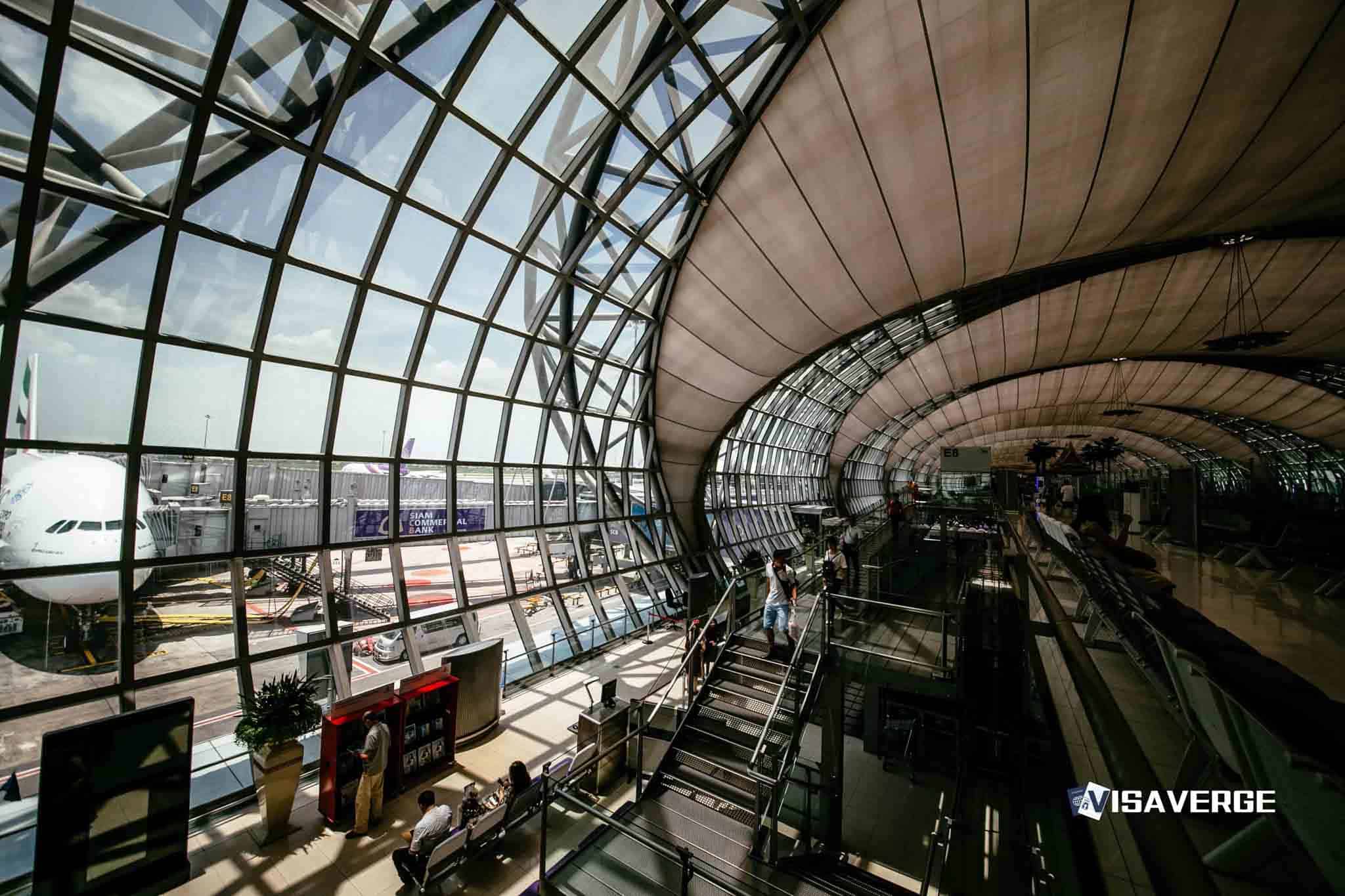
Those figures point to a market where travel plans are still being made, but later. Suppliers now face a season that may fill closer to departure, rather than months in advance.
Free toolB1/B2 Tourist Visa Stay Calculator onlineTakeUp AI’s late-summer 2025 data showed that pattern in hotel demand. September was pacing 8.5% behind last year, while October was pacing 11.1% ahead and ADR was up 2.9%.
That shift places more weight on the shoulder season. September and October are drawing travelers with cooler weather, lighter crowds and better value.
Agency sales showed similar behavior last summer. Summer 2025 clients were booking last minute, driven by economic uncertainty and younger consumers’ habits.
Spending plans also help explain the slower early-season booking pace. Deloitte’s 2026 survey found travelers expect to spend an average of $4,069 on their longest summer trip, up 17% from 2025.
At the same time, 45% of Americans plan to take a summer vacation with paid lodging, the lowest level in six years. Higher expected costs and a smaller pool of travelers willing to pay for lodging create a tougher market for suppliers that depend on early commitment.
Hotels, airlines and other travel companies are responding by holding pricing and inventory plans open deeper into the season. Midweek discounts, short-lead promotions and tighter management of shoulder-season inventory have become more central as companies try to capture bookings that arrive later.
That approach reflects a market where demand has not disappeared. It has moved. Travelers still appear willing to book, but many are waiting longer to compare prices and judge value before they commit.
The pattern also alters the usual rhythm of summer travel. A larger share of trips now falls after Labor Day, stretching what had been a more fixed peak season into early autumn.
In practical terms, the season may not look weak in June or July and still finish solidly if bookings arrive late. The drop in fully booked marquee trips suggests more room remains in the market than it did a year ago, even as suppliers watch for a concentrated wave of reservations in the final weeks before departure.
That leaves pricing under close scrutiny. Travelers who delay booking tend to respond more sharply to fare changes, room rates and packaged discounts, especially when economic uncertainty shapes household spending.
Value has become a stronger selling point than urgency. Cooler weather and thinner crowds give September and October an advantage that suppliers can pair with lower midweek prices and targeted promotions.
The result is a season increasingly defined by timing rather than simple demand strength. If the late-booking surge arrives as suppliers expect, the busiest period of the summer travel market may come post-Labor Day, with price-sensitive consumers filling rooms and seats later than many companies once counted on.