- ICE agents arrested an Edmonds College student on June 13, 2026, for overstaying their F-1 visa status.
- The arrest occurred in a designated protected area without officials reportedly presenting a judicial warrant on scene.
- F-1 students must maintain full-time enrollment and report address changes within ten days to avoid SEVIS termination.
(EDMONDS, WASHINGTON) — F-1 students at Edmonds College and other U.S. schools must maintain valid immigration status, including a full course of study, current SEVIS records, and timely action before any authorized stay expires; a student arrested by ICE on June 13, 2026 in an Edmonds College parking lot has put those compliance rules under fresh scrutiny.
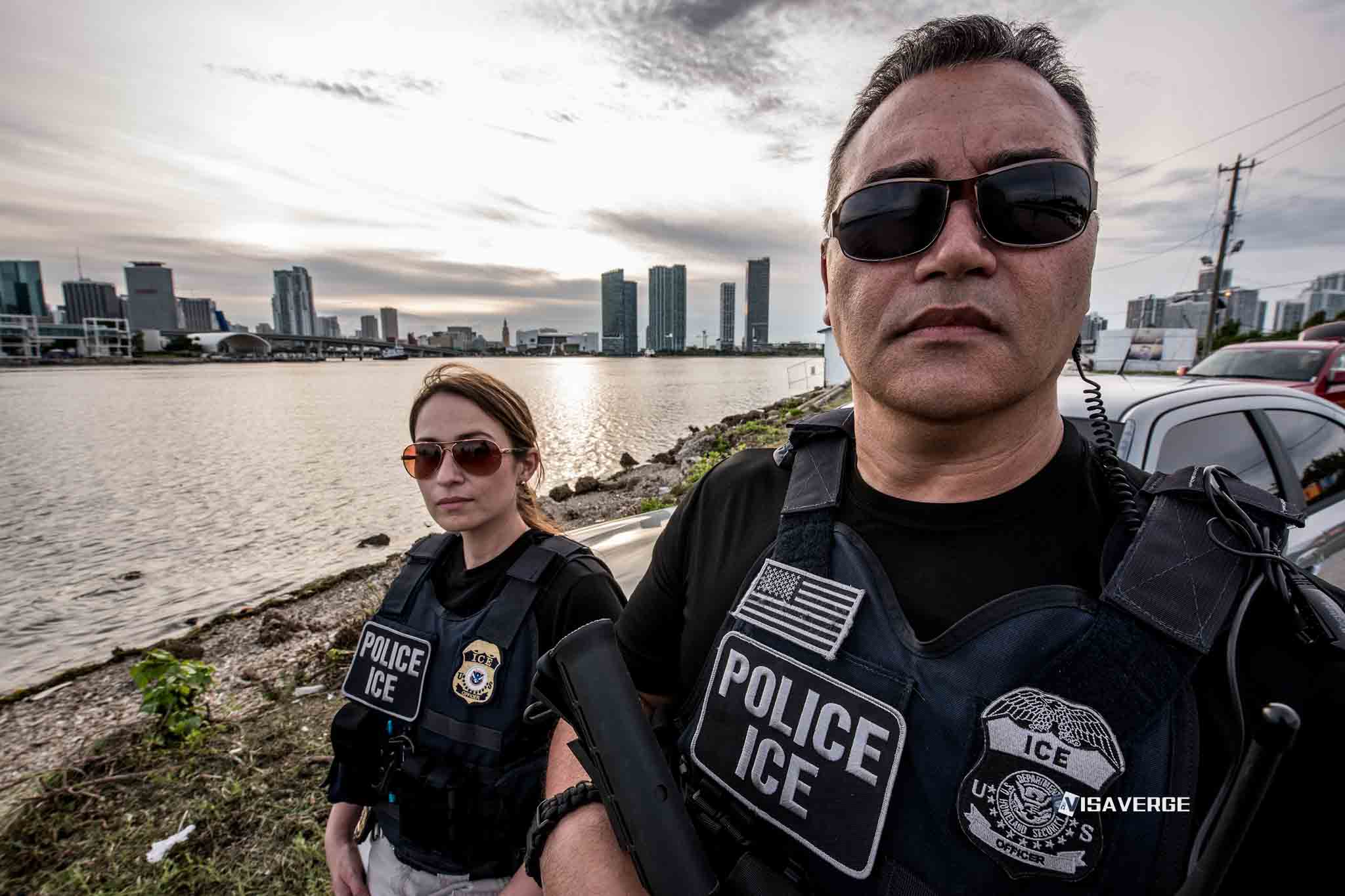
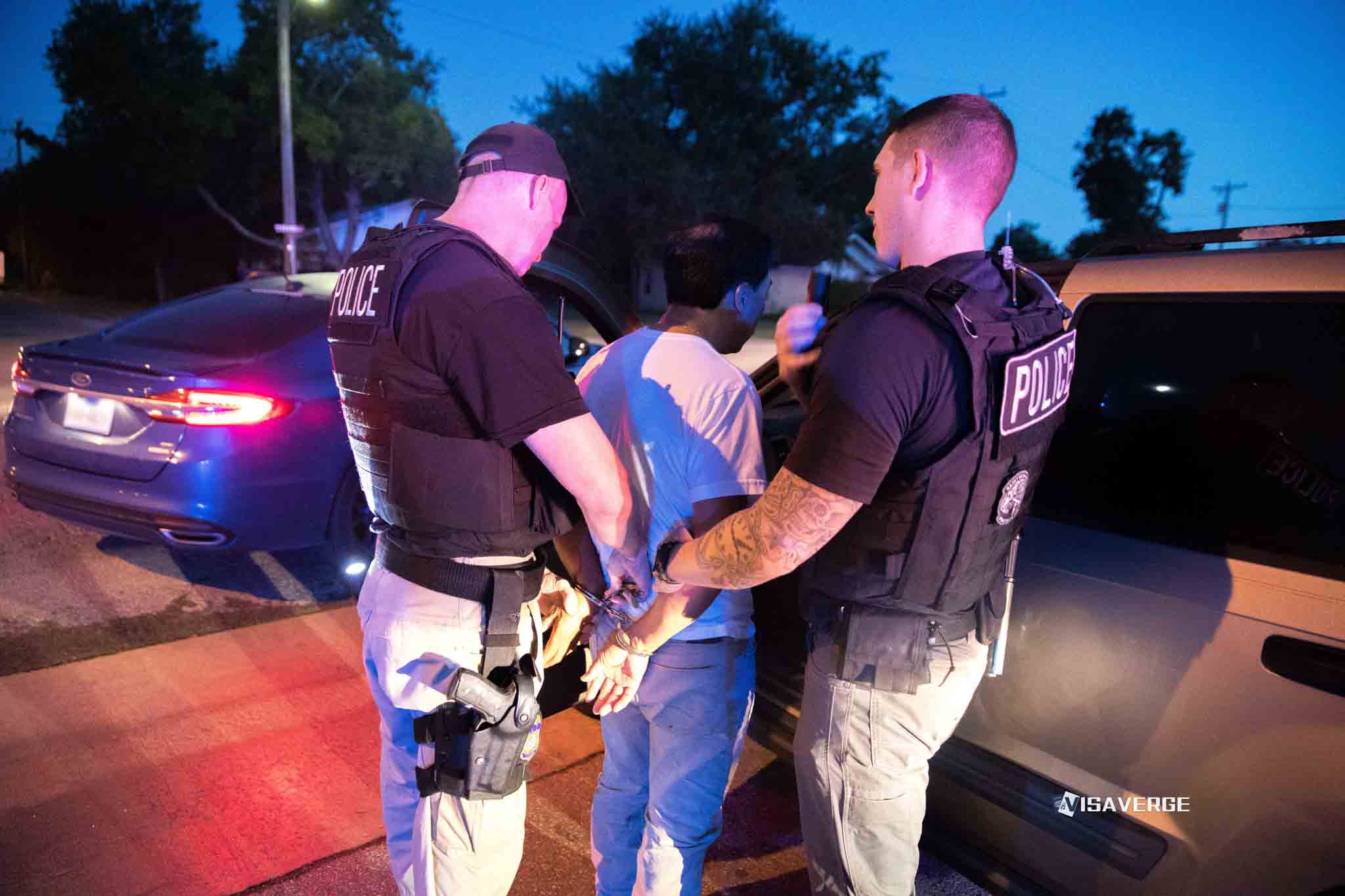
Edmonds College said the student, a 48-year-old, was waiting for a class activity when masked agents in an unmarked vehicle pulled the person from a car and left campus. In a campus statement issued June 18, 2026, President Amit Singh said the staff member present asked the agents for their names, badges, and a warrant. He said none was provided. ICE later confirmed the arrest was tied to overstaying visa status, an administrative immigration violation that can trigger removal proceedings and bars on returning to the United States.
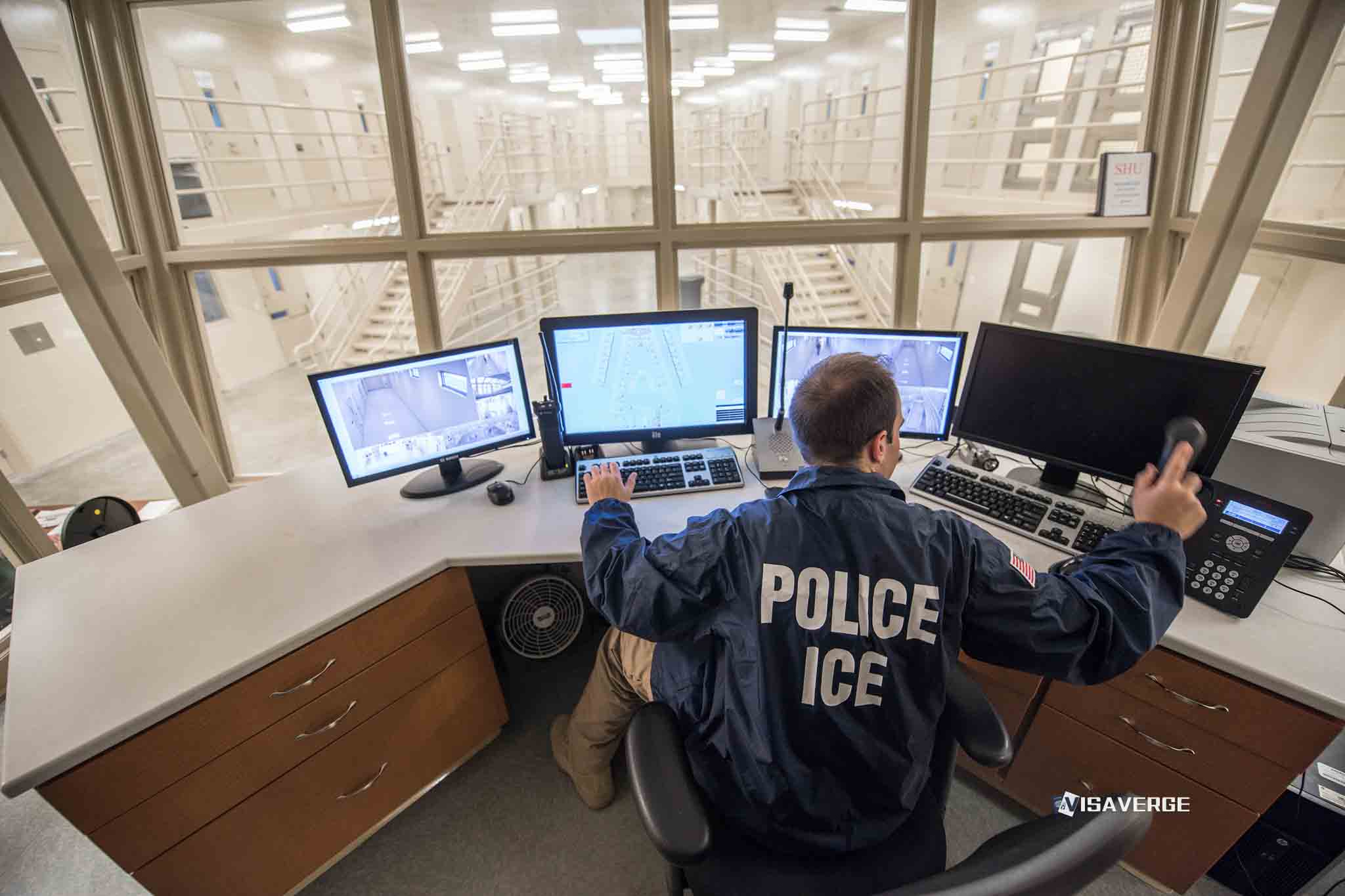
Legal Framework for F-1 Students
The legal framework for F-1 students starts with INA § 101(a)(15)(F) and the regulations at 8 C.F.R. § 214.2(f). Those rules require students to pursue a full course of study at a school certified under the Student and Exchange Visitor Program, keep a valid Form I-20, maintain a current local address in SEVIS, and avoid unauthorized employment.
Free toolOPT Timeline Calculator OnlineA student who stops attending, drops below a full course load without approval, or remains after the period authorized by the Department of Homeland Security may fall out of status. In practical terms, compliance depends on dates and records.
F-1 students are generally admitted for D/S, or duration of status, rather than to a fixed date on the Form I-94. That does not remove deadlines. School transfer requests, reduced course load approvals, program extensions, and optional practical training applications all have filing windows.
A student whose program end date on the Form I-20 is approaching must ask the designated school official, usually called a DSO, for an extension before that date passes. Once the SEVIS record is terminated, the options narrow quickly.
How Overstays Develop
An overstay can develop in different ways. Some nonimmigrants are admitted until a date certain on the I-94 and become overstays the day after that date. F-1 students more often face a status violation rather than a simple date overstay because their admission is tied to compliance with student rules. The consequences can still be severe.
DHS may issue a Notice to Appear and place the person in immigration court before EOIR. Future visa issuance can become harder. Unlawful presence questions also become important, although the analysis for F-1 students is fact-specific and can turn on formal findings by USCIS, an immigration judge, or a departure after status violations.
Campus Enforcement and Protected Areas
The campus setting has drawn separate legal attention. DHS policy on protected areas, posted at dhs.gov, generally restricts enforcement actions at schools, colleges, and universities. The current guidance replaced earlier “sensitive locations” language, but the core rule remains similar: officers usually need prior approval for actions at or near protected areas unless exigent circumstances exist.
Public reporting tied to the Edmonds College incident has not identified any warrant shown on scene or any publicly stated exigency. College officials said they followed protocols developed with the Washington Attorney General’s Office that bar state agencies from providing certain forms of assistance to federal civil immigration enforcement.
Warning: A terminated SEVIS record, unauthorized employment, or failure to maintain a full course load can place an F-1 student out of status immediately. Reinstatement is possible in some cases under 8 C.F.R. § 214.2(f)(16), but it has strict eligibility rules and should be reviewed with counsel.
Staying Compliant
Students trying to stay compliant should keep several records current at all times: passport validity, I-20 travel signatures, class registration, address updates, and any employment authorization documents. Federal regulations require address changes to be reported within 10 days.
DSOs typically enter the update in SEVIS, but schools often require students to use an internal reporting system first. Curricular practical training and optional practical training need authorization before work starts. Even short-term paid work without approval can create a status problem.
Corrective Paths
There are limited corrective paths. Reinstatement with USCIS may be available when the violation resulted from circumstances beyond the student’s control or relates to a reduced course load that would have been within a DSO’s power to authorize, and when the student has not been out of status for more than 5 months, absent exceptional circumstances.
Travel and reentry with a new initial I-20 is another path some students consider, but it carries risks, including new visa scrutiny and questions at inspection. Students already arrested by ICE or served with charging documents should assume the case has moved beyond routine school compliance and into enforcement defense.
Rights and Practical Steps
Anyone contacted by ICE on campus or elsewhere should distinguish between school cooperation and legal obligation. A college may ask to see a judicial warrant or other authority, and staff may decline voluntary assistance where state law limits cooperation. The individual student’s rights are separate.
A person generally may remain silent, may refuse to sign documents not understood, and may ask to speak with an attorney. Immigration arrests and searches can raise fast-moving issues about custody, bond, and the factual basis for removability. Circuit law can affect those disputes.
Deadline: Program extensions must usually be approved before the Form I-20 end date. Address updates are due within 10 days. Reinstatement filings after a status violation are strongest when prepared promptly and before the record grows more complicated.
The Edmonds College arrest also highlights the gap between civil immigration violations and criminal conduct. Overstaying visa status is not, by itself, a criminal conviction. It is an immigration compliance issue that may lead to removal, detention, and future admissibility problems.
ICE said the arrest was part of broader enforcement efforts aimed at noncitizens who remained beyond authorized periods of stay. Students should not assume that a quiet academic record prevents enforcement attention if the underlying immigration record shows a lapse.
Resources and Next Steps
Relevant government sources include the ICE Newsroom, DHS guidance on enforcement actions at or near protected areas, and Edmonds College updates at edmonds.edu/news. General legal standards for F-1 compliance appear in INA § 101(a)(15)(F), INA § 237(a)(1), and 8 C.F.R. § 214.2(f).
Students facing SEVIS termination, a Notice to Appear, or any ICE contact should consult a qualified immigration attorney quickly. Nonprofit and bar resources include AILA Lawyer Referral and the Immigration Advocates Network.
⚖️ Legal Disclaimer: This article provides general information about immigration law and is not legal advice. Immigration cases are highly fact-specific, and laws vary by jurisdiction. Consult a qualified immigration attorney for advice about your specific situation.