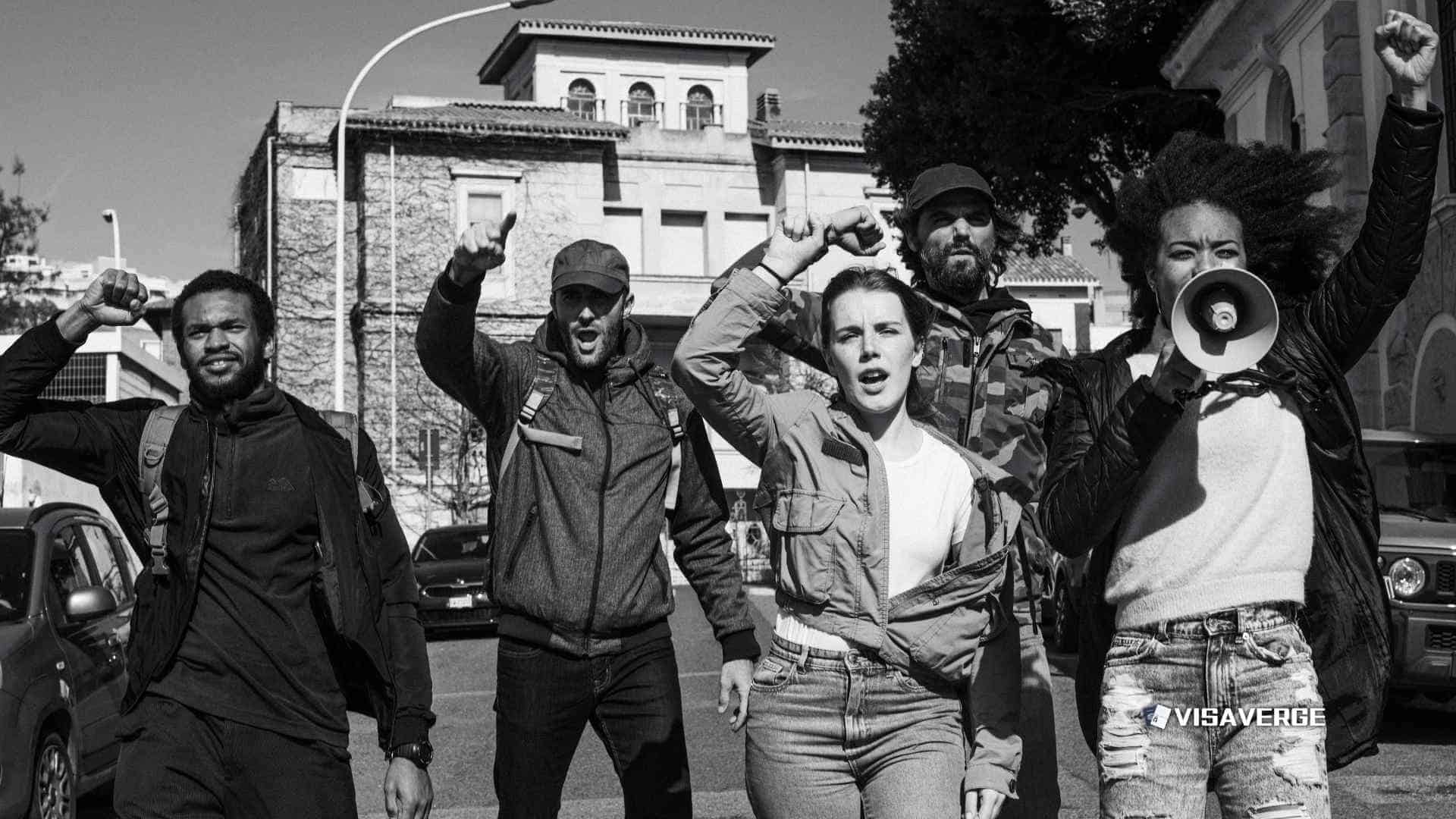
- Approximately one thousand people marched in Fishers, Indiana to support immigrant neighbors against mass deportation rhetoric.
- The counter-rally responded to a private mass deportation event headlined by former Border Patrol commander Gregory Bovino.
- Department of Homeland Security officials defended interior enforcement measures including civil fines and expedited asylum referrals.
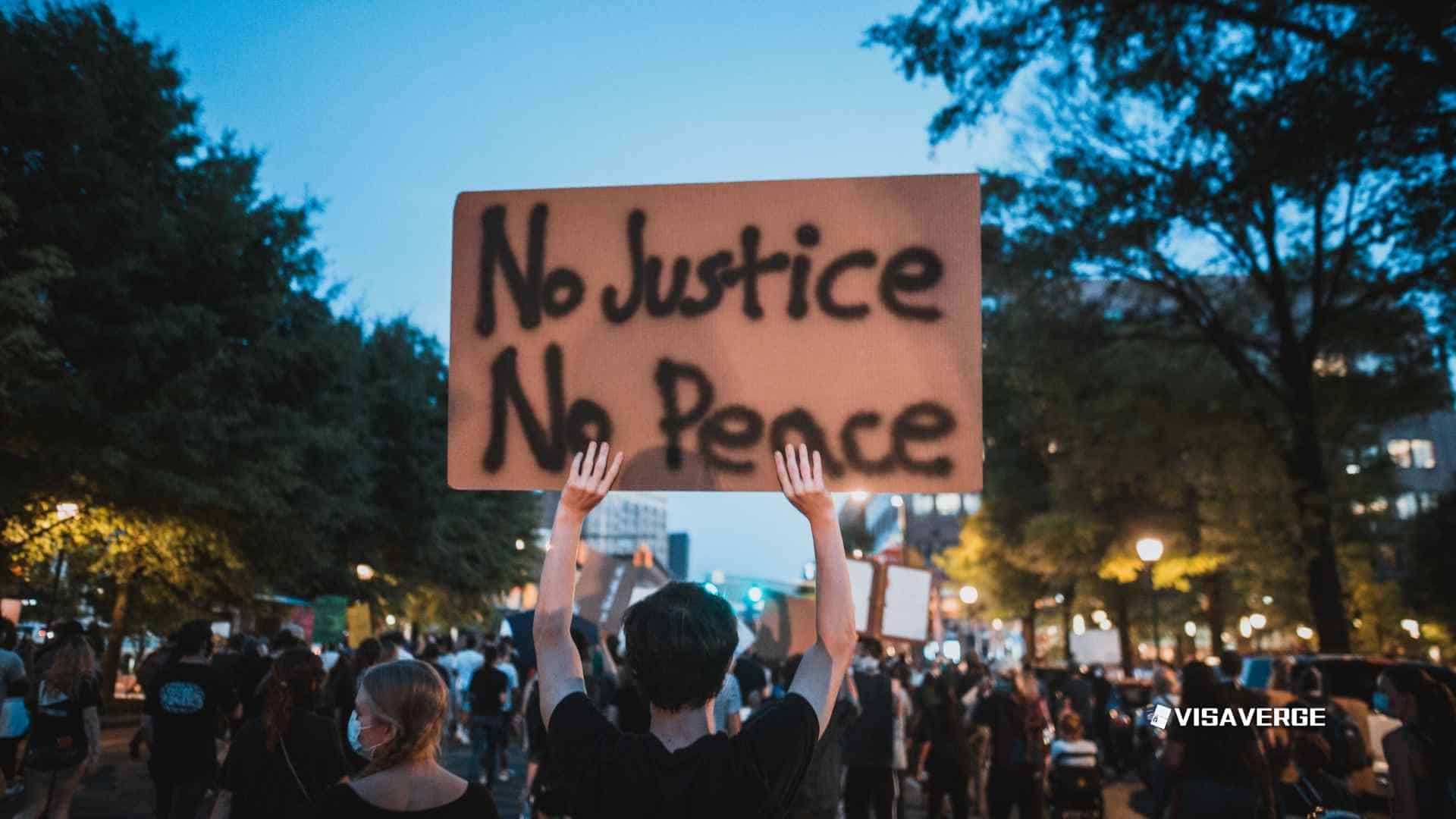
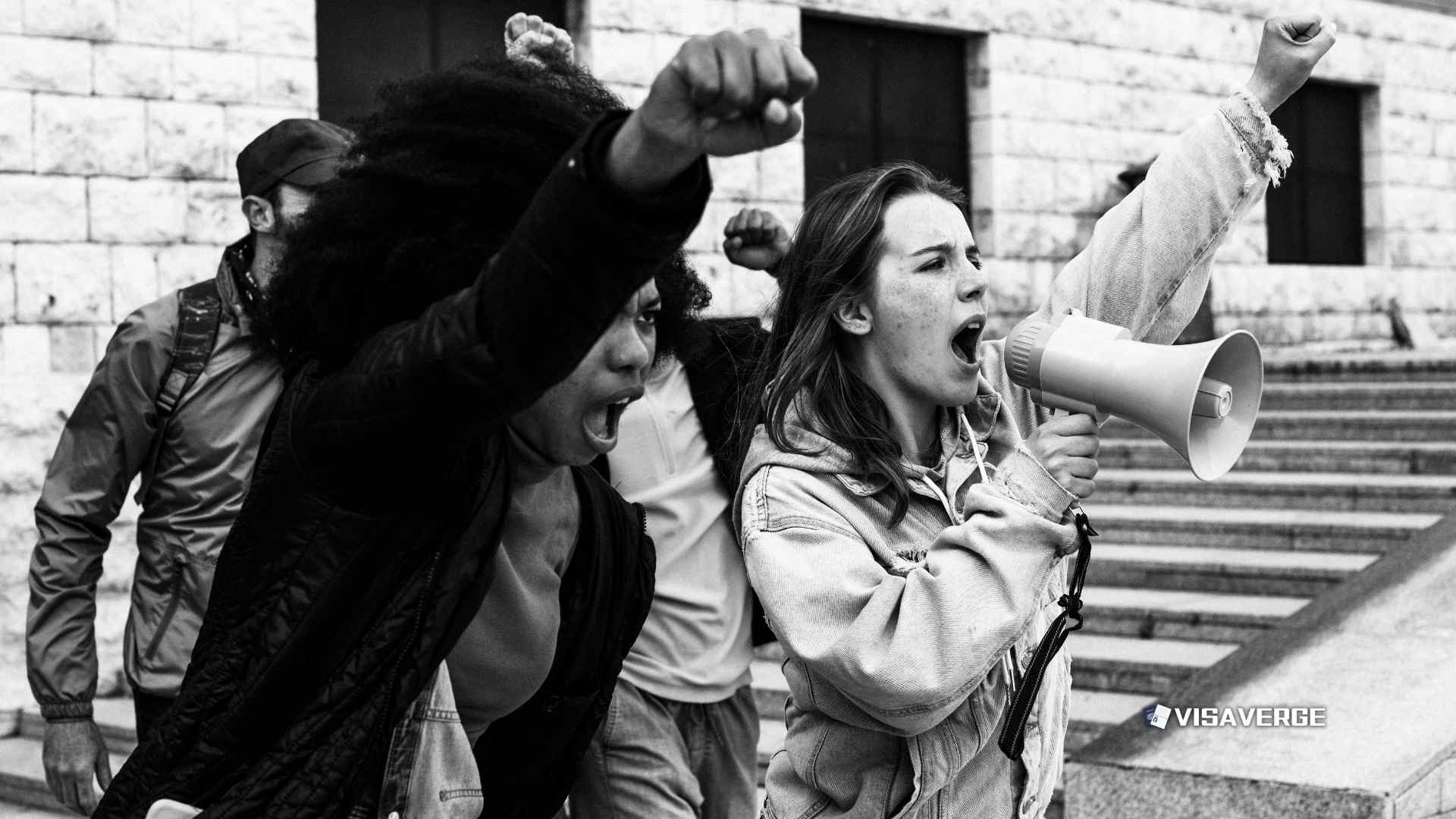
Approximately 1,000 people gathered August 1, 2026, in Fishers, Indiana, for the “Hoosier Hospitality March,” backing immigrant neighbors and protesting a nearby private “mass deportation rally.” The counter-rally took place at Holland Park.
The opposing event was organized by Save Heritage Indiana and headlined by Gregory Bovino, a former Commander-at-Large of the U.S. Border Patrol. Organizers billed it as the first gathering of its kind in the nation.
Free toolUSCIS Receipt Number Decoder
The pro-deportation event initially carried a Fishers listing before moving to a private site in Greenfield, Indiana, amid expectations of protests. The change put the two gatherings in separate locations.
Indiana State Sen. Fady Qaddoura, D-Indianapolis, spoke at Holland Park. He compared the language surrounding the deportation event with extremist movements from Indiana’s past.
“They are replacing slogans, uniforms, and messages, but they are using the same playbook that played in Indiana over 100 years ago. wrapped in family values. making you fear your neighbors.”
Qaddoura said the rhetoric presented enforcement as a defense of families while encouraging suspicion of neighbors. The march drew residents opposing the administration’s interior-enforcement policies.
Federal agencies set the debate’s backdrop with new enforcement announcements
The Department of Homeland Security and U.S. Citizenship and Immigration Services did not address the Holland Park demonstration in announcements around the march. Their releases nevertheless placed the local confrontation alongside new national enforcement measures.
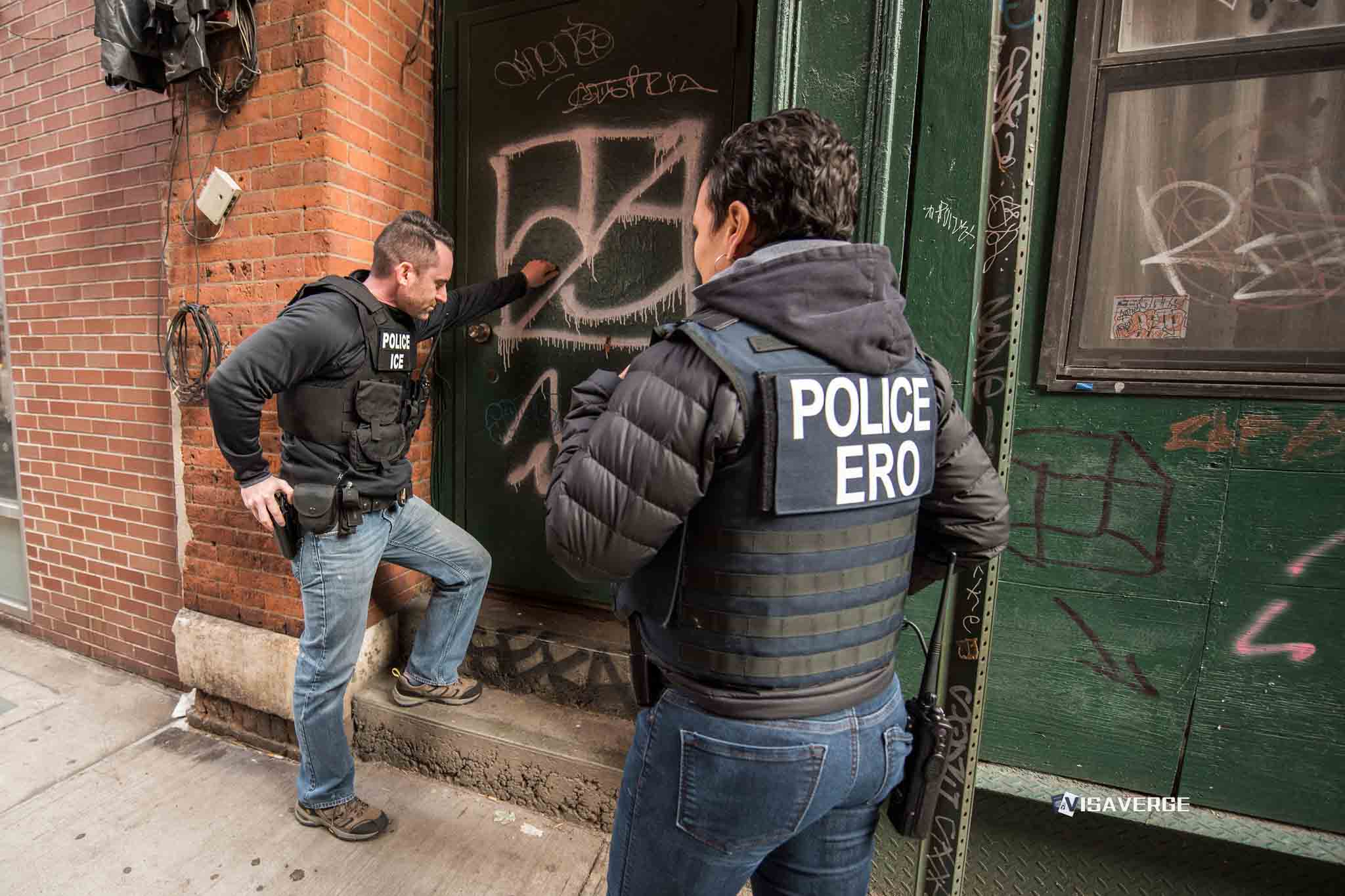
On July 31, DHS Assistant Secretary Lauren Bis highlighted the “Make America Safe Again” initiative and described recent removals involving people she characterized as serious criminal offenders.
“Just yesterday, ICE deported criminal illegal aliens that include pedophiles, kidnappers, burglars, and gang members. Every single day, we remove criminals from American communities. It's no wonder crime rates have reached record lows.”
Bis also spoke July 24 about a Fishers detainer involving Javier Cereque-Perez, a Mexican national charged with attempted rape. ICE lodged a detainer asking Indiana officials to turn him over to federal custody so he could be removed from the country.
Federal officials credited cooperation between local and federal law enforcement agencies. The case became part of the enforcement debate in the area.
On July 27, USCIS announced an interim final rule allowing officers to refer asylum applications directly to immigration judges without an initial interview. DHS said the change would shorten processing times and reduce the backlog by referring cases immediately to the Department of Justice.
The department also rescinded the 2022 Public Charge Rule on July 16. The announcements put asylum processing, removal efforts and admission-related policy changes in the same period as the Indiana mobilization.
Bovino’s appearance linked the event to a broader interior-enforcement campaign
Bovino became a prominent figure in the second Trump administration’s interior-enforcement efforts. He was demoted and retired in March 2026 after public backlash over enforcement operations in Minneapolis and Los Angeles.
The event’s organizers presented the gathering as a national first and focused on expanding removals. Immigrant-rights advocates at Holland Park opposed that direction.
Indiana has also become a focal point for detention policy. In August 2025, then-DHS Secretary Kristi Noem announced the expansion of the Miami Correctional Facility in Bunker Hill by 1,000 beds for ICE detainees.
The facility was dubbed the “Speedway Slammer.” It has remained a focus for local immigrant-rights advocates.
Markwayne Mullin replaced Noem as DHS secretary in early 2026. The department continued its interior-enforcement campaign under his leadership.
Fines, exit payments and detention sharpened the conflict
DHS announced July 23 that it had issued over $84 billion in civil fines to people who refused to leave voluntarily after receiving final removal orders. The fines were set at $998 per day.
The department’s “CBP Home” app offers a $2,600 exit bonus and free flights to people who agree to depart voluntarily. People who do not leave face permanent bars from returning to the United States.
Late July reports described a twofold increase in the detention of parents of U.S.-citizen children under a July 2025 ICE directive. Those detentions contributed to a new wave of what the reports called “diffuse” family separations.
The measures gave march participants concrete issues to raise, including detention capacity, removal orders and the treatment of mixed-status families. The private rally supplied a separate platform for defending tougher enforcement.
The competing events reflected opposing messages about public safety and belonging. One side emphasized removing people targeted by federal enforcement. The other framed immigrant neighbors as part of Indiana communities.
DHS’s July 31 statement said removals of people it described as criminal offenders would take place “Every single day.”
This article provides general information and is not legal advice. Consult a qualified immigration attorney about your specific case.