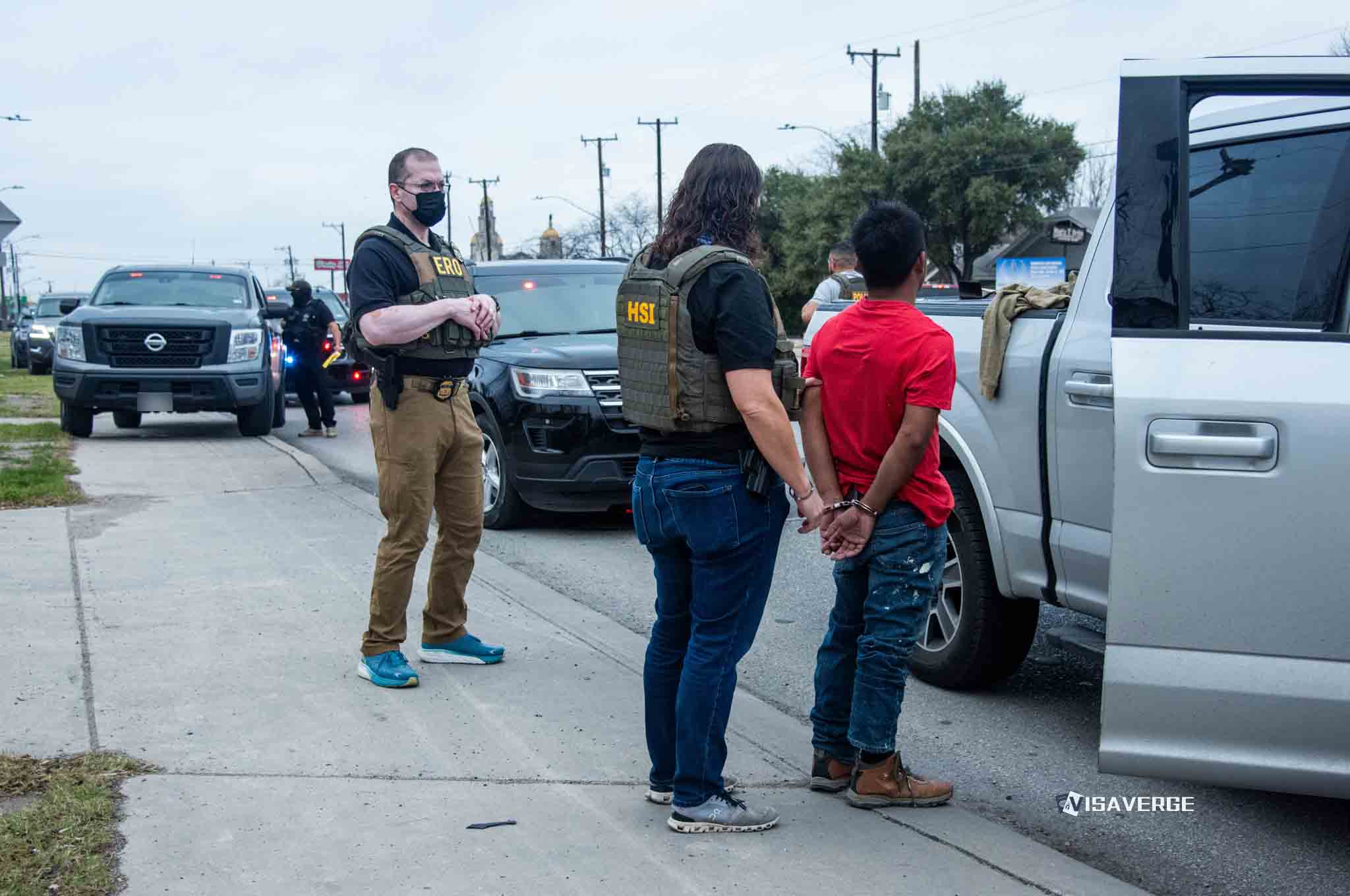
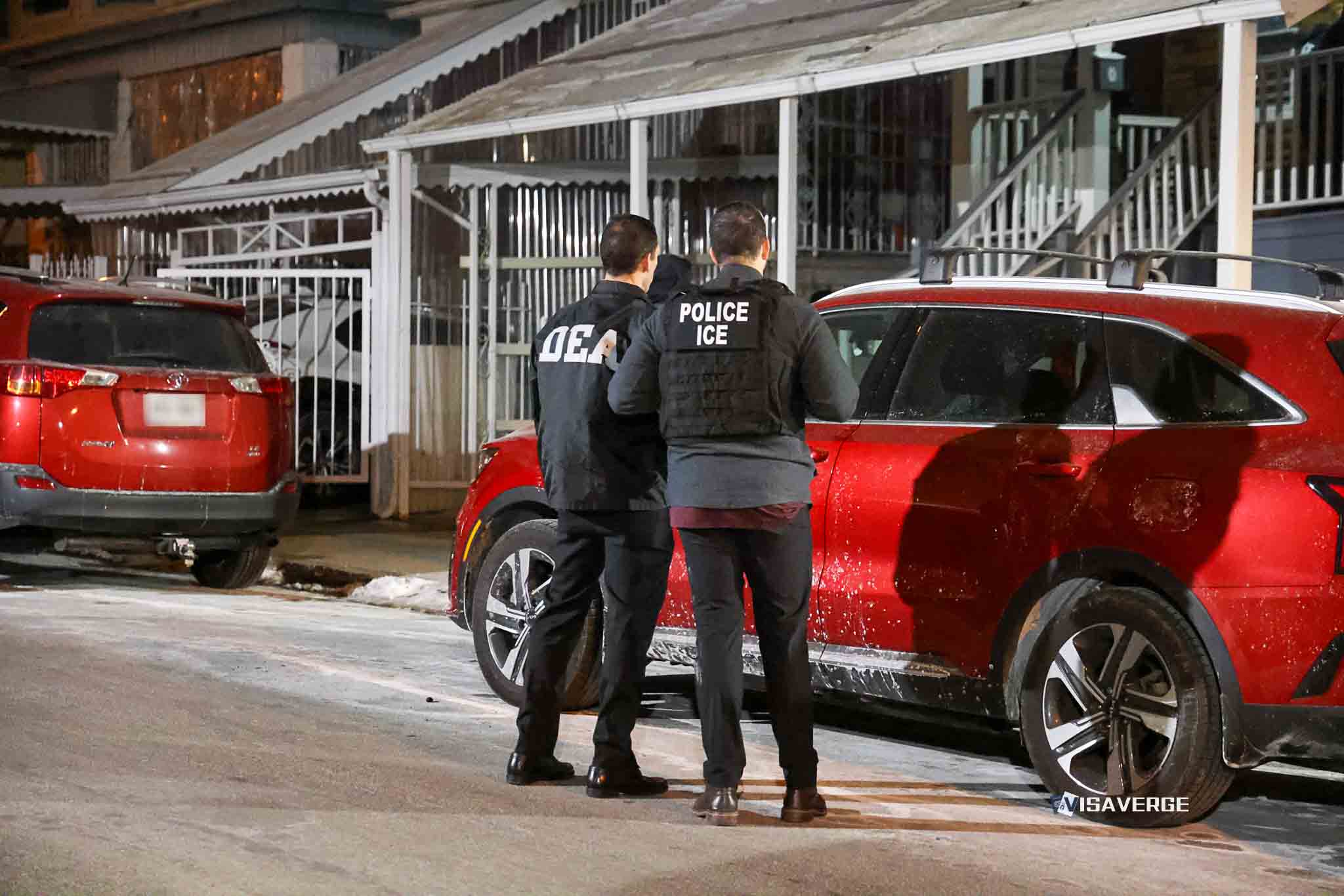
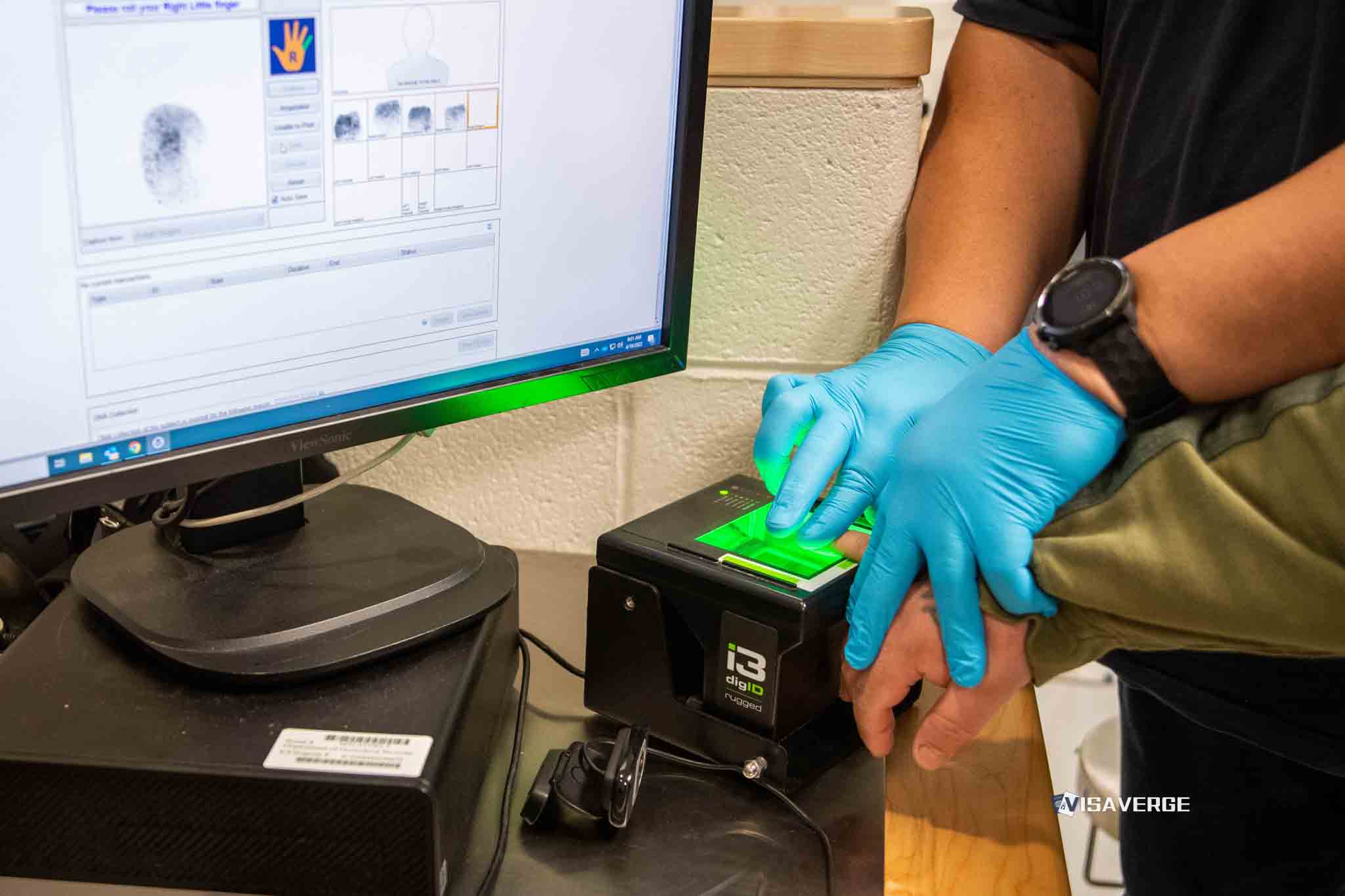
(INDIANA) Immigration attorneys and advocacy groups are raising urgent alarms over a sweeping plan to hold up to 2,000 ICE detainees at two Indiana sites—1,000 beds at the Miami Correctional Facility and at least 1,000 at Camp Atterbury—under agreements announced in August 2025 by the Department of Homeland Security and the State of Indiana. Officials say the move will repurpose existing capacity rather than build new structures, but legal groups warn the rapid scale-up could lock people far from counsel, disrupt families across the Midwest, and repeat past problems seen in earlier Indiana detention operations.
State leaders backing the expansion, including Governor Mike Braun, frame the project as a full partnership with federal immigration enforcement. “Indiana is not a safe haven for illegal immigration,” the governor said, emphasizing the state’s alignment with federal authorities. DHS Secretary Kristi Noem praised the partnership and argued it will help “remove the worst of the worst out of our country,” even urging people in the United States ?? without status to “self deport now using the CBP Home App.” Advocates counter that large-scale detention often sweeps up people with long ties to local communities, asylum seekers, and parents with U.S.-born children.
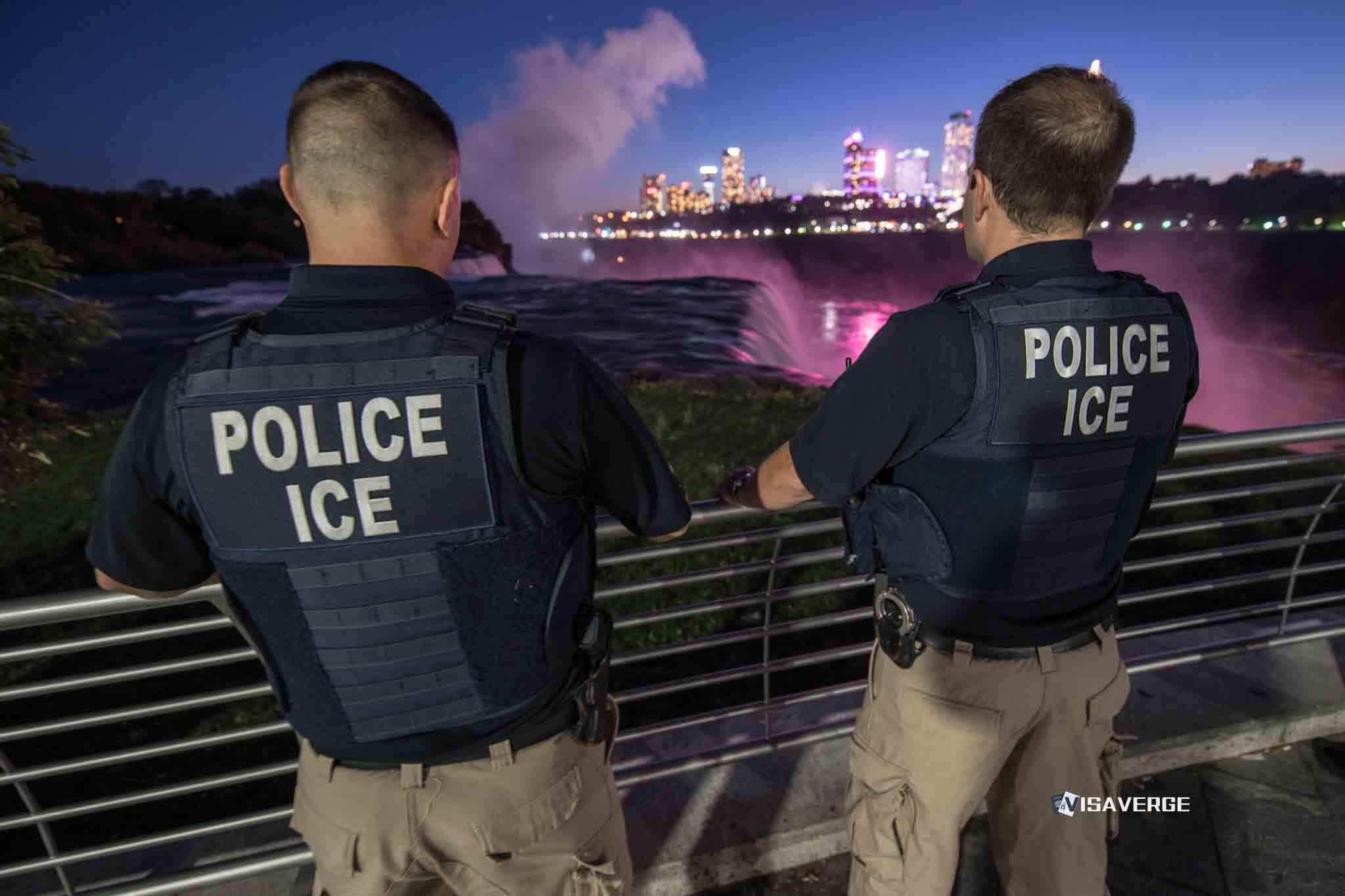
Sites and capacity: Miami Correctional Facility and Camp Atterbury
At the heart of the plan is the Miami Correctional Facility, a maximum-security prison roughly 70 miles north of Indianapolis. Officials say up to 1,000 existing, unused beds will be set aside for immigration detention—no physical expansion, no new construction. The site is already being marketed inside state circles as the “Speedway Slammer.”
Meanwhile, the 34,000-acre Camp Atterbury, a National Guard post, is being prepared to receive at least another 1,000 ICE detainees, though questions remain about operational control and the intake schedule.
Expanding detention capacity under new federal funding
The buildout follows the federal “One Big Beautiful Bill,” sometimes called the MAGA-backed megabill, which set aside $170 billion for immigration enforcement and detention, including $45 billion for ICE detention expansion. According to analysis by VisaVerge.com, Indiana is now shifting from a limited ICE footprint to a regional hub, with capacity that could influence detention practices across the Midwest.
| India | China | ROW | |
|---|---|---|---|
| EB-1 | Feb 01, 2023 | Aug 01, 2023 ▲31d | Current |
| EB-2 | Nov 01, 2013 | Oct 01, 2021 | Apr 01, 2025 ▲90d |
| EB-3 | Jan 22, 2014 ▲21d | Jan 22, 2022 ▲14d | Jun 15, 2024 ▲31d |
| F-1 | Jan 22, 2021 ▲366d | Jan 22, 2021 ▲366d | Jan 22, 2021 ▲366d |
| F-2A | Oct 22, 2026 ▲30d | Oct 22, 2026 ▲30d | Oct 22, 2026 ▲30d |
The agreements are being pursued under Section 287(g) of the Immigration and Nationality Act, which allows ICE to delegate certain enforcement powers to state and local officers.
Indiana officials say multiple state agencies will support the effort:
- Indiana Department of Homeland Security
- Indiana State Police
- Department of Correction
- Indiana National Guard
Federal officials note the plan aims to add beds quickly and cut transport times from arrest to detention. But key operational questions remain unanswered:
- Who will run day-to-day operations at Camp Atterbury?
- How will hearings be scheduled and staffed?
- When will intake actually begin?
As of August 13, 2025, there is still no public start date.
The state’s last major ICE site, Clay County Jail, drew lawsuits and criticism over conditions and inspection gaps. Advocates fear history could repeat itself on a larger scale. The ACLU and the Communities Not Cages Indiana Coalition are seeking clarity on oversight and inspection protocols, especially for the Miami Correctional Facility, where heavy security rules could further limit movement, phones, and visits.
Access to counsel and oversight questions
Lawyers point to a recurring problem with detention sites placed far from urban legal hubs: access to counsel. The Miami Correctional Facility’s distance from Indianapolis means longer drives, less flexibility for in-person visits, and fewer opportunities to document conditions.
Phone and video are helpful, but attorneys stress they never fully replace face-to-face meetings—especially when building trust with people who may be traumatized or fearful.
Key concerns include:
- Whether legal teams will receive prompt, private access for confidential calls and video meetings.
- How frequently immigration judges will hold hearings on site or by video, and whether families can attend.
- Which agency—DHS or the Indiana Department of Correction—will control daily operations and visitation rules.
- Whether community observers and elected officials will be allowed to conduct oversight visits.
Officials have floated remote tools like ICE’s Virtual Attorney Visitation Program, which could support video calls and document sharing. Yet attorneys argue these systems only work if the facility ensures:
- reliable internet connections,
- confidential spaces,
- scheduling that respects court deadlines.
Without those basics, people can miss filings or fail to present evidence, increasing the risk of wrongful deportation.
Access to timely, confidential legal counsel is a central safeguard. Distance and operational barriers can turn procedural delays into life-changing outcomes.
What it means for families and communities
Advocates say larger detention capacity will likely bring more arrests and longer stays, heightening strain on families and legal providers. Mixed-status households may face sudden separations if a parent is detained, forcing quick decisions on childcare, rent, and transport for visits.
In rural settings, even getting to a facility can be the hardest step—especially for those without cars or paid time off.
Community reactions are mixed:
- Some residents welcome the law-and-order message and potential jobs tied to staffing and services.
- Others fear reputational damage and the moral cost of turning local institutions into detention hubs.
Past experience at Clay County suggests that when oversight lags, problems can escalate: delays in medical care, recreation limits, or grievances that take weeks to resolve. Attorneys say those risks multiply in larger, stricter environments like a maximum-security prison.
The operational timeline remains unsettled. State and federal offices are still negotiating staffing, transport, and court logistics for Camp Atterbury, and no firm intake date has been announced for either site. If both facilities reach their planned capacity, Indiana would jump into the first tier of detention states, with effects radiating across nearby jurisdictions as ICE reallocates people to fill beds.
Tracking detained loved ones and official resources
For families and supporters trying to track a loved one after an arrest, officials point to existing federal tools. ICE’s public-facing facility finder can offer location details, phone numbers, and visitation rules once a person is booked.
The agency’s website explains rules that vary by site, including ID requirements for visitors, dress codes, and how to send money or documents. One centralized source is the official ICE Detention Facilities page: https://www.ice.gov/detain/detention-facilities.
Claims, counterclaims, and outstanding questions
State leaders argue the expanded system will focus on those with criminal histories, a claim supported in official talking points. Yet immigration attorneys note that paperwork errors, past deportation orders, and missed check-ins can also lead to arrest. As a result, families with long roots in Indiana may be drawn into the process even if they have no criminal records.
Important outstanding questions include:
- Will the Miami Correctional Facility adopt detention standards tailored to immigration, which differ from criminal incarceration rules?
- Can Camp Atterbury set up court dockets and legal access fast enough to prevent backlogs?
- Who will conduct independent inspections, and how often will reports be public?
For now, attorneys and advocates are preparing for court challenges and pushing for clear rules before intake begins. State officials say the agreements are lawful under 287(g) and necessary to support federal enforcement under President Trump’s immigration agenda.
Both sides agree on one point: what happens next in Indiana could shape regional detention practices for years to come.
This Article in a Nutshell
Indiana plans to repurpose 2,000 existing beds for ICE detention at Miami Correctional Facility and Camp Atterbury. Advocates warn distance, limited legal access, and past inspection failures could harm families and due process as federal funds accelerate regional detention expansion under Section 287(g).