- U.S. citizenship remains a total legal barrier against deportation, despite rising enforcement errors and detention rates in 2026.
- A backlog of 3.3 million immigration cases has led to rushed screenings and wrongful detention of citizens.
- Courts are increasingly intervening to order the return of individuals deported due to administrative errors or ignored stays.
(UNITED STATES) — U.S. courts and immigration authorities confronted a widening set of wrongful detention and deportation cases in 2026 even as citizenship remained an absolute legal bar against removal.

U.S. citizens cannot be legally deported. Citizenship, whether by birth, naturalization or derivation, gives a person the right to remain in the country under the 14th Amendment, and the Immigration and Nationality Act bars removal proceedings against citizens.
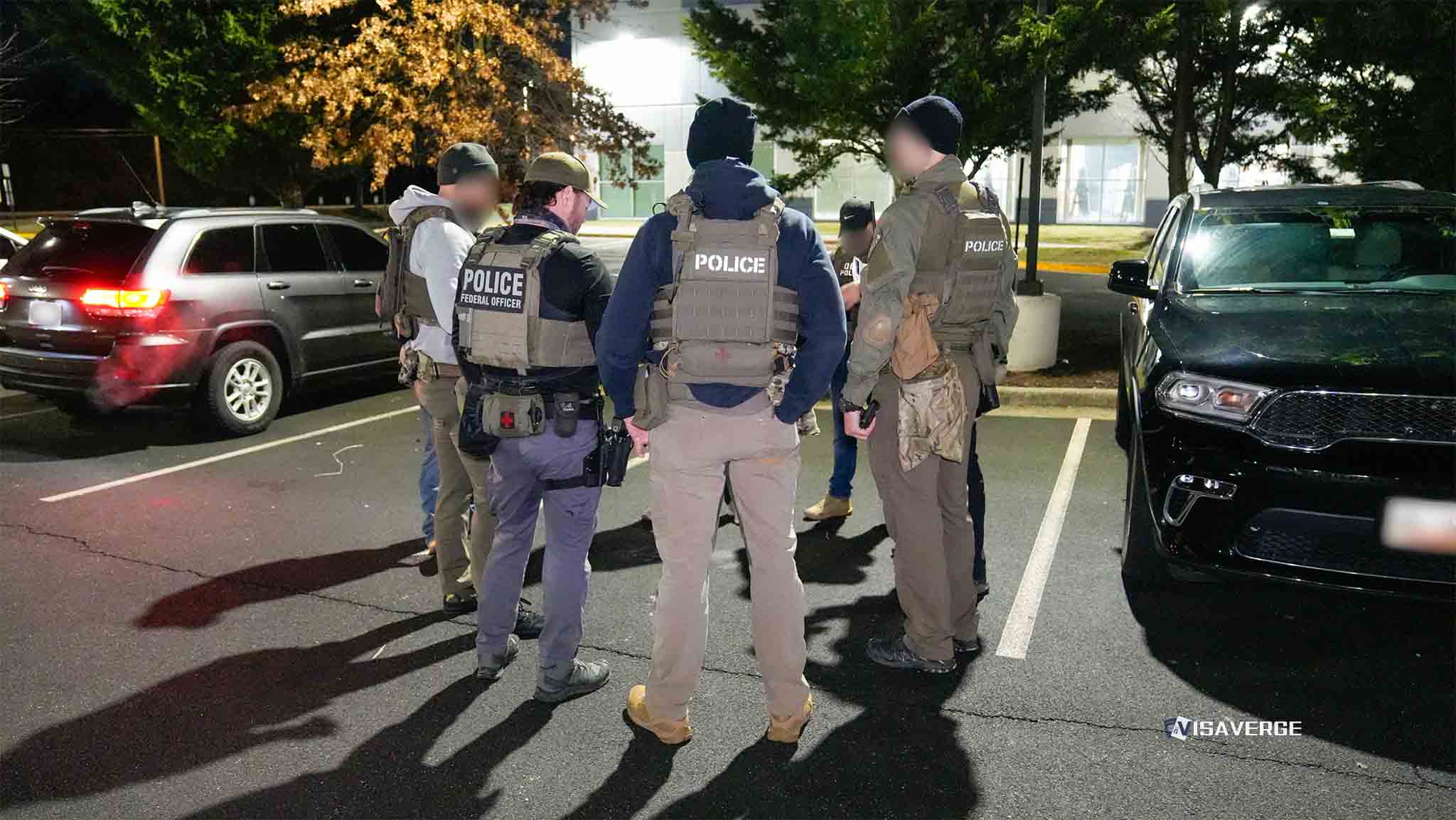
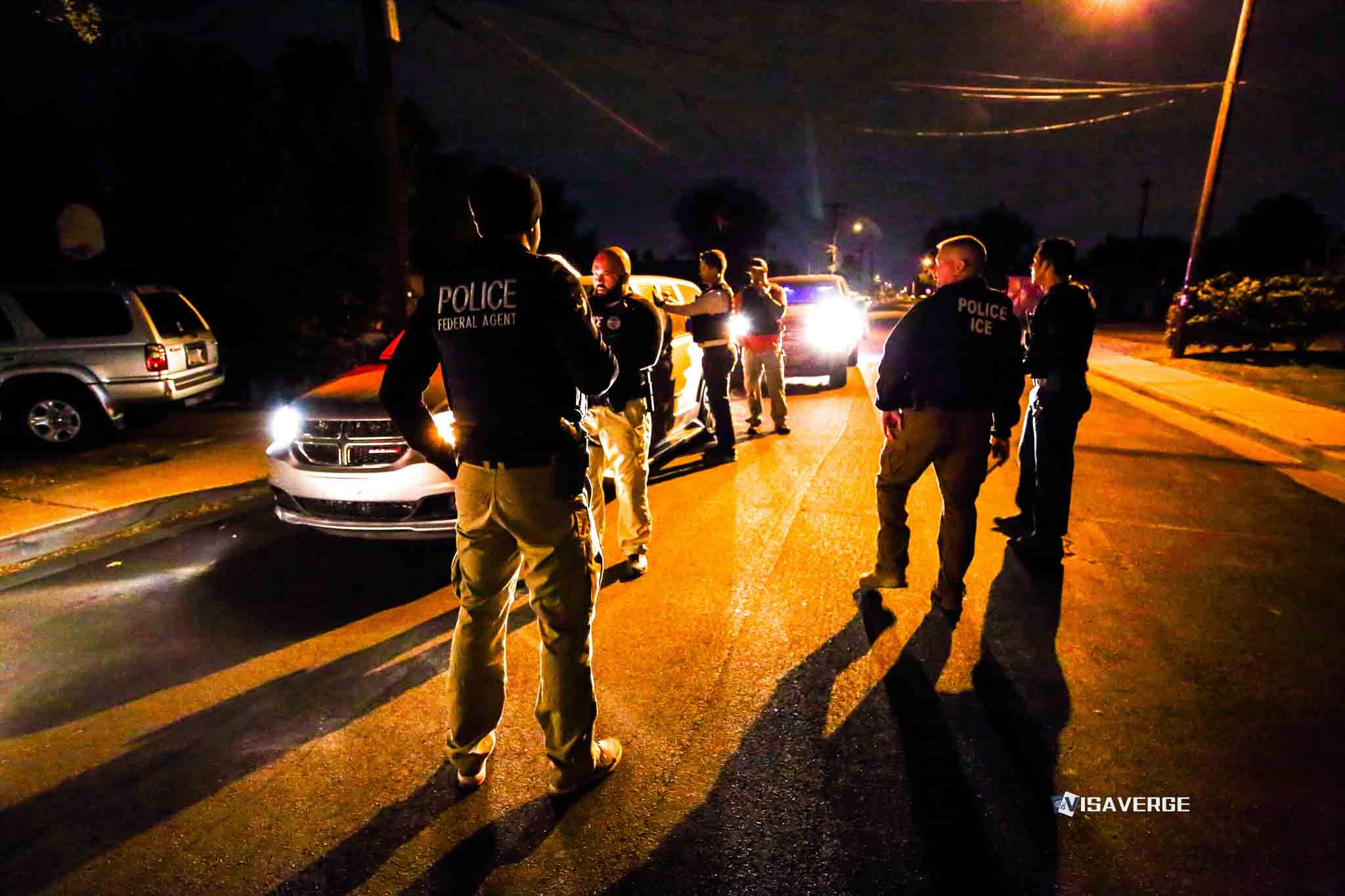
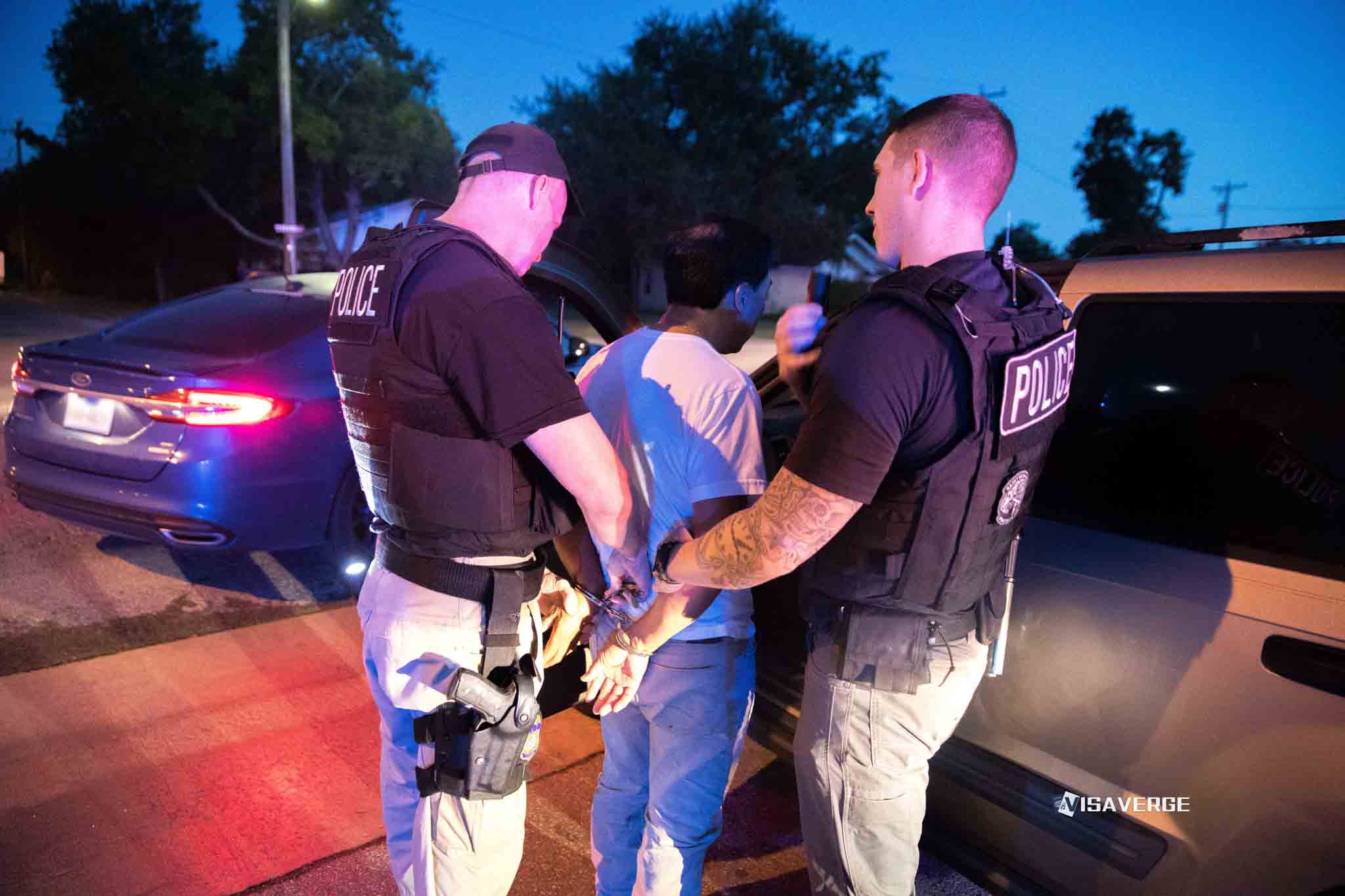
Yet enforcement errors, rushed screenings and disputed identity records have continued to pull some citizens into the machinery of immigration arrests. Those cases have brought court interventions, family separations and, in some incidents, deadly encounters with officers.
A System Under Pressure
The pressure on the system has grown sharply. In fiscal year 2026 through February, Immigration Courts handled 201,878 new cases, closed 333,957 and carried a backlog of 3,318,099 pending matters, with 79.6% resulting in removal orders.
That volume has collided with a legal principle the Supreme Court settled decades ago. In Afroyim v. Rusk (1967), the court ruled that citizenship cannot be involuntarily stripped except in extreme fraud cases during naturalization, reinforcing the long-standing rule that deportation does not apply to citizens.
Even so, flawed identification processes and aggressive enforcement can still place citizens in detention or on the brink of removal. Missing birth certificates, disputed passports and lost naturalization records can turn a lawful status into a prolonged fight to prove belonging.
Language barriers can deepen that risk. People who do not speak English fluently can struggle to assert citizenship during arrests, especially when officers move quickly and records are incomplete.
The broader deportation system has continued to expand. Deportations stabilized at around 300,000 annually nationwide, while ICE detention hit 73,000 in January 2026, with over half involving only civil immigration violations.
By late January 2026, DHS reported expelling 675,000 undocumented individuals. Courts ordered returns in at least four high-profile wrongful cases less than six months into the term.
Wrongful Deportation Cases That Reached the Courts
Those cases did not involve verified U.S. citizens, but they showed how fast mistakes can move through the system. They also highlighted the role judges have played in stopping removals after agencies acted too quickly.
One of the clearest examples involved Jordin Melgar-Salmeron, who was deported to El Salvador on May 7, 2026, just 30 minutes after a court stay because of “administrative errors.” A court of appeals later ordered his return.
Kilmar Abrego Garcia was mistakenly deported to El Salvador in March 2026 and sent to the CECOT prison. The Supreme Court upheld a lower order for his return on June 6, 2026, and he now faces U.S. charges after pleading not guilty.
Another case centered on O.C.G., a Guatemalan asylum seeker who was wrongfully sent to Mexico in early 2026 despite a withholding order, then routed to Guatemala. He returned to the United States in June after court intervention.
District Judge Stephanie Gallagher ordered the return of Cristian, identified by a pseudonym, in May 2026 after finding he had been deported in violation of a 2024 settlement. Gallagher emphasized process rather than the merits of his asylum claim.
The Justice Department also admitted to 91 wrongful deportations of asylum seekers by March 2026, breaching a class-action settlement. That figure rose from a dozen known cases, and Gallagher demanded full investigations while criticizing notification failures.
Citizens Caught in Enforcement Actions
For citizens, the warnings have come less from confirmed removals than from arrests, force and detention. No confirmed 2026 deportations of verified U.S. citizens appear in records, but citizens have still faced enforcement actions that turned violent.
In Houston, officers used a chokehold on a 16-year-old U.S. citizen while arresting his undocumented father. Over the past year, officers used chokeholds in over 40 cases, including that assault, despite bans adopted by many police departments.
Fatal encounters added to the toll. Renee Good was shot by an ICE agent on January 7, 2026, in Minneapolis, and Alex Pretti was killed by CBP officers on January 24, 2026, also in Minneapolis.
A year earlier, Ruben Ray Martinez, a 23-year-old citizen, was killed by a Homeland Security Investigations officer on March 15, 2025, in South Padre Island, Texas. Those deaths sharpened scrutiny of how immigration enforcement reaches citizens and noncitizens alike.
Deaths in custody have also risen. ICE custody saw six deaths in January alone across Texas, Pennsylvania, Georgia and California, amid reports of rising abuse and a two-decade high of 32 deaths in 2025.
Families, Children and Collateral Harm
Parents of U.S. citizen children have been swept up in large numbers. ICE detained parents of over 11,000 U.S. citizen children in the first seven months of 2025, double Biden-era rates, while mothers were deported at four times the prior pace and nearly 60% of arrests led to removal.
That has left children outside detention and, in some cases, in the care of strangers. Citizen relatives and children bear the consequences even when the government directs its deportation system at noncitizens.
Families also face economic fallout from those errors. Detained citizens can lose wages, and household income can collapse when a parent disappears into detention or deportation proceedings.
Broader immigration policy carries wider economic consequences as well. Retaining 616,000 Venezuelans on TPS could add $40.5B to GDP, one measure of how enforcement choices can ripple through families, workplaces and local economies.
By December 19, 2025, deportations had reached 622,000 noncitizens. As those numbers climbed, collateral effects spread through mixed-status households, especially where U.S. citizen children depended on parents facing removal.
Courts, Due Process and Rapid Relief
Courts have tried to slow some of the sharpest enforcement tools. A federal court blocked the Trump administration’s effort to expand expedited removal on August 30, 2025, in Make the Road New York v. Noem, preventing a fast-track process that could have deported thousands without hearings.
Judges have also intervened in individual detention disputes. Biden appointee Judge Kenly Kato ordered an Iranian national’s release on January 26, 2026, and Trump appointee Judge Mark Scarsi ordered a Vietnamese man’s release on February 17, 2026.
Those rulings underscored the role of due process in immigration cases. The Fifth and Fourteenth Amendments require fair procedures before the government deprives a person of liberty, and habeas corpus remains one of the fastest tools to challenge unlawful detention.
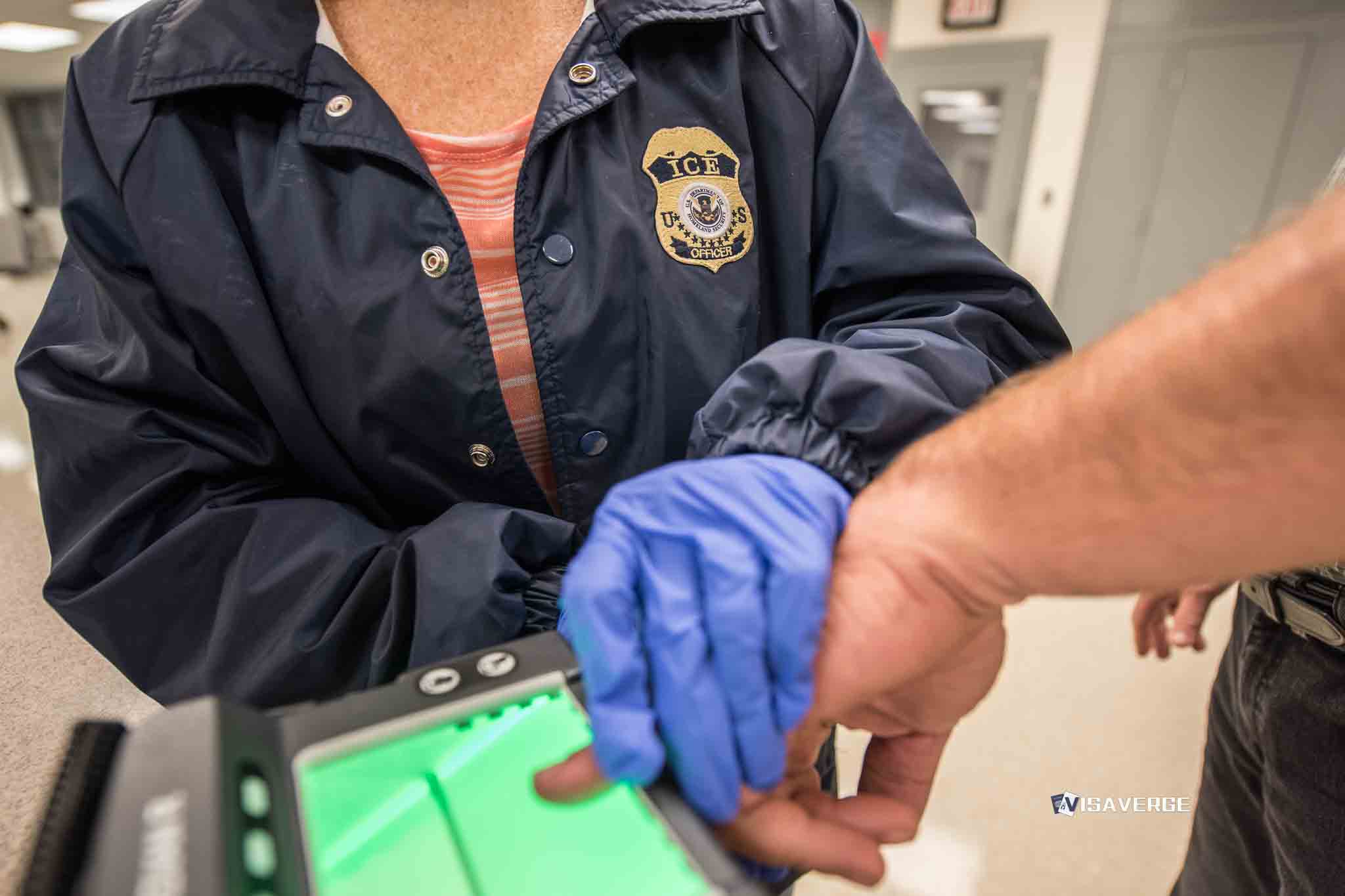
For citizens stopped by ICE or CBP, asserting citizenship quickly can be decisive. Lawyers point to fingerprints checked against FBI databases, State Department records and immediate demands for supervisory review as the most direct way to interrupt a mistaken deportation process.
Advocacy groups have pushed the same point in broader terms. The ACLU has said that “fair hearings prevent wrongful deportation.”
The courts have continued to provide some relief despite the system’s strain. Judges granted relief in 1,079 of February 2026 cases, including 492 asylums.
That judicial backstop has mattered more after the administration fired nearly 100 immigration judges in 2025 and reshaped dockets. At the same time, enforcement kept accelerating, with detention reaching 68,000 by February 2026, a 75% increase since January 2025.
Official priorities have centered on people with criminal records, but court data showed only 1.83% of FY2026 cases involved non-entry crimes. The mismatch has fueled criticism that mass processing can overwhelm basic checks on identity, status and lawful claims.
Citizenship, Policy and Remaining Legal Protections
Policy fights over citizenship have widened beyond detention. Denaturalization quotas reached up to 200/month in 2026, while challenges to birthright citizenship moved through the courts, though those efforts face constitutional barriers and do not apply to native-born citizens.
For native-born and naturalized Americans, the black-letter law remains firm: the government cannot revoke citizenship at will and cannot lawfully deport a citizen. But legal certainty has not prevented wrongful arrests or near-removals when officers move before records catch up.
Officials have urged people to carry identification. Lawyers and advocates have recommended keeping a U.S. passport, birth certificate or certificate of citizenship available, along with digital scans and memorized identifying information.
They have also advised citizens in custody to say, “I am a U.S. citizen. Do not deport me.” From there, families can seek counsel, push for habeas relief and challenge detention in federal court.
Civil damages claims can follow after release, including suits under Bivens or the Federal Tort Claims Act. But those remedies come only after the arrest, the detention and the threat of deportation have already landed.
As the backlog pushes past 3.3 million cases and courts continue ordering returns in wrongful removals, 2026 has shown both sides of the system at once: citizenship still blocks deportation as a matter of law, but proving that protection can still require a judge, a filing and time a citizen never should have had to lose.