1 earlier update
- President Trump’s Executive Order 14160 challenges birthright citizenship for children of undocumented parents in 2026.
- The Supreme Court heard oral arguments regarding birthright citizenship challenges, with a ruling expected by June.
- Due process and equal protection remain the primary constitutional shields against expedited removals and nationality-based travel bans.
(UNITED STATES) The 14th Amendment remains the main constitutional shield for birthright citizenship, due process, and equal protection in 2026, even as President Trump’s Executive Order 14160 tries to narrow who counts as a citizen at birth. The fight now reaches newborns, families, and the immigration system at every level.
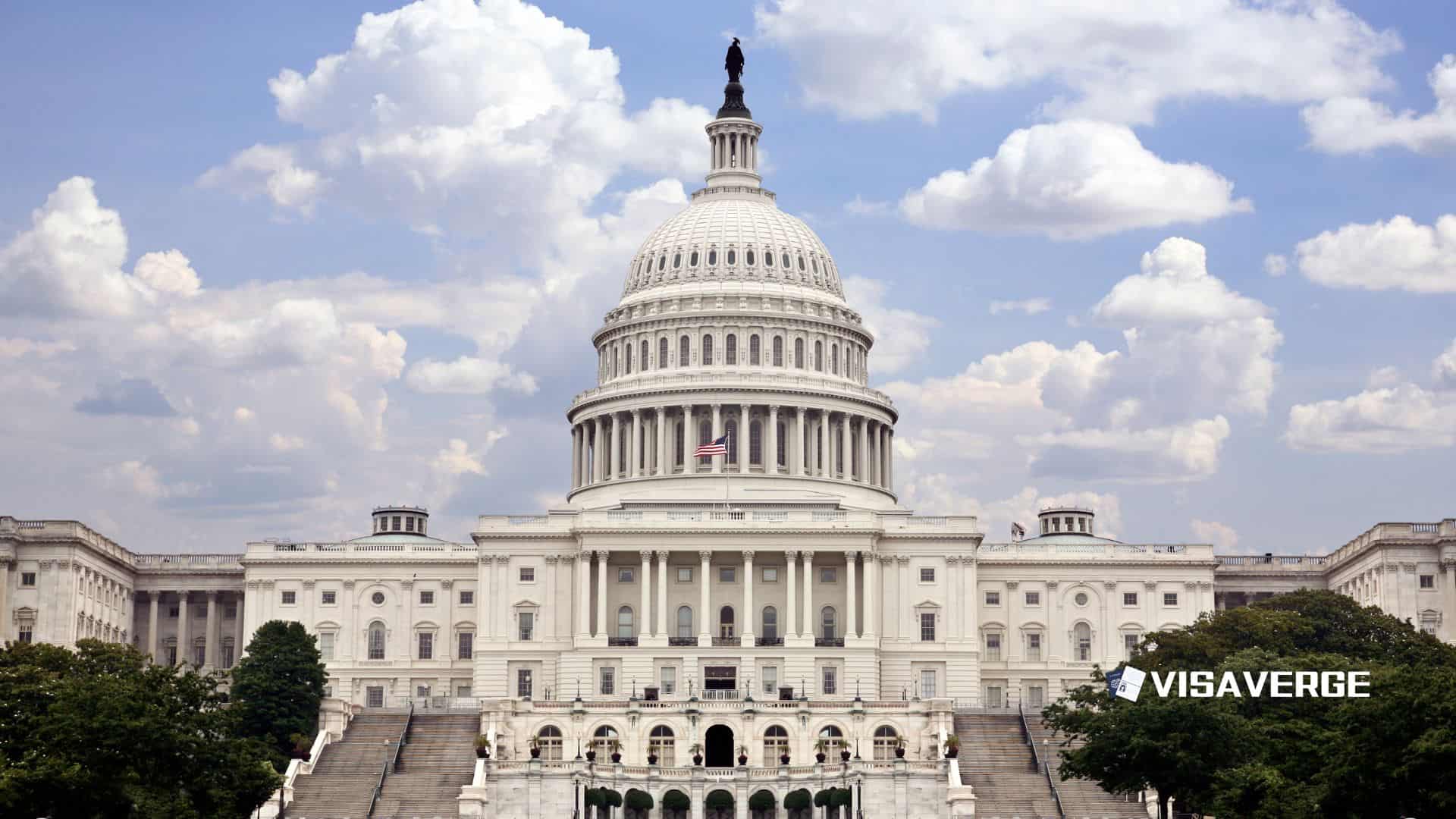
Birthright Citizenship Faces Its Sharpest Challenge
Section 1 of the 14th Amendment says that all persons born in the United States, and subject to its jurisdiction, are citizens. That language has protected almost everyone born on U.S. soil for more than 150 years. The narrow exceptions have long been children of foreign diplomats and invading forces.
Executive Order 14160 takes aim at that rule. It says children born in the United States do not get automatic citizenship if neither parent is a citizen or lawful permanent resident. That would affect children of undocumented parents, tourists, students, and many people in temporary status.
The order directly clashes with United States v. Wong Kim Ark (1898), the case most often cited for modern birthright citizenship. Courts in California, New York, and Texas issued preliminary injunctions in 2026, blocking enforcement. The Supreme Court heard oral arguments on April 1, 2026, and a ruling is expected by June.
Families caught in this fight are facing delays in birth documents and passport processing. Hospitals, state agencies, and federal offices are already under pressure to decide how to treat newborns while litigation continues.
Due Process Still Shapes Deportation Cases
The Due Process Clause says no state shall deprive any person of life, liberty, or property without due process of law. That protection applies to immigrants too. It is the reason removal cases usually require notice, a hearing, and review before a person is sent out of the country.
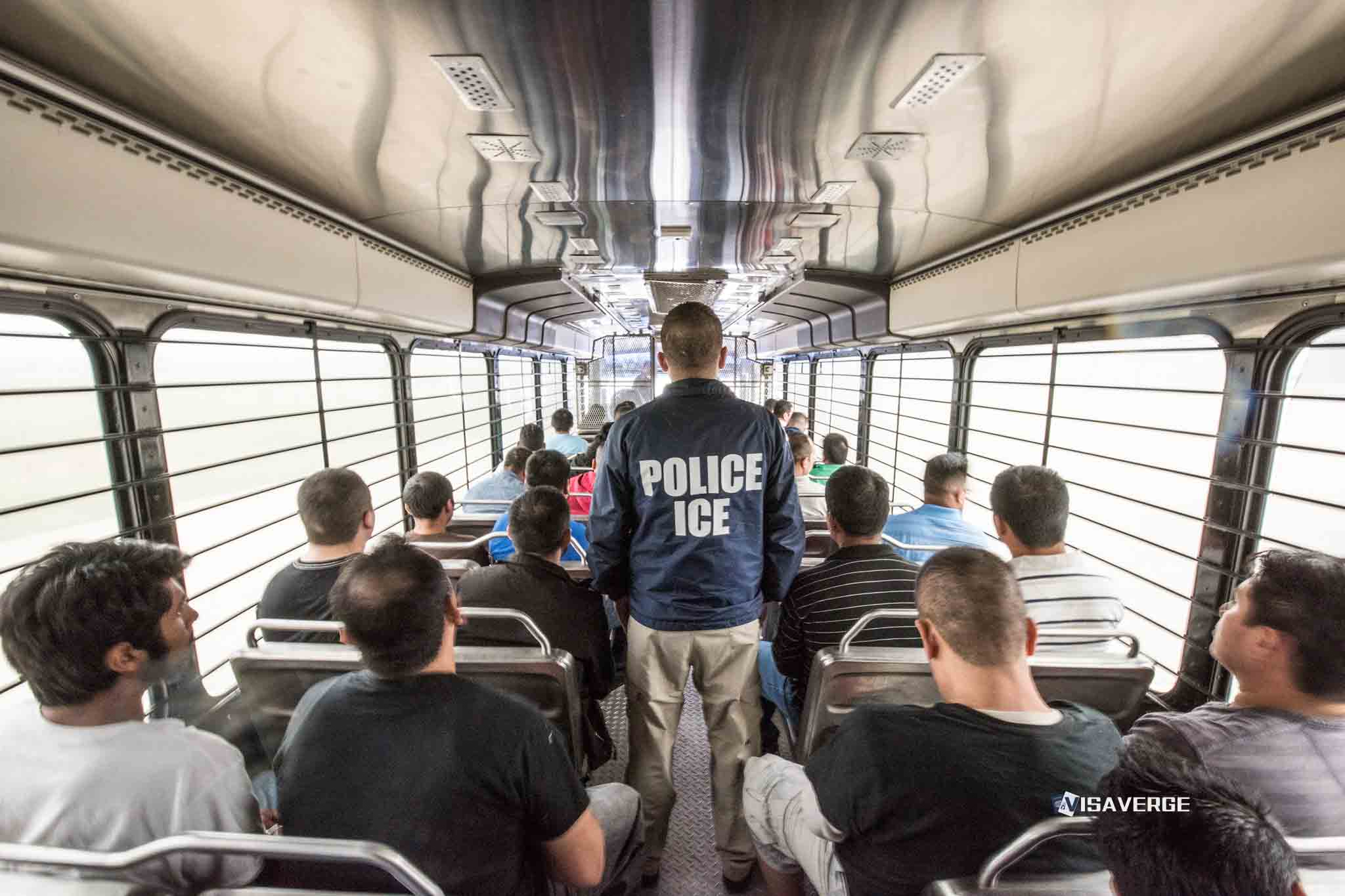
That matters more in 2026 because enforcement has intensified. Expanded ICE budgets, more 287(g) agreements, and operations like “Catch of the Day” have pushed arrests higher. Reports tied to 2026 enforcement say over 500,000 people were targeted by ICE raids by the first quarter of the year.
Courts have kept blocking blanket expedited removal in some cases. They have also required credible fear interviews for asylum seekers. Those interviews give people a chance to explain why return would place them in danger. The 14th Amendment’s due process guarantee sits at the center of those fights.
President Trump’s Executive Order 14159 adds more pressure. It expands expedited removals without hearings, which puts direct strain on due process limits. For many recent arrivals, a hearing is the only real chance to stop a fast deportation.
New Vetting Rules Reshape Visa Processing
DHS launched a new USCIS Vetting Center in December 2025. Starting March 30, 2026, it requires social media reviews for H-1B, K-1, and T/U visa applicants. That slows processing, but officials say the added screening fits within due process if appeals remain available.
The same enforcement climate has shortened work permits to 18 months for frequent reverification. That affects 1.5 million TPS and parole holders whose protections were revoked. It also adds pressure to families trying to keep work, housing, and school plans stable.
Green card holders are also seeing more re-screening. More than 100,000 student and worker visas were revoked in 2025, and the new review system carries that same hard line into 2026.
For many applicants, the safest step is to keep records ready. Save notices, interview letters, entry documents, and any proof tied to lawful presence. The best-known public starting point remains the USCIS official website, where applicants can check case tools and agency guidance.
Equal Protection Fights Country-Based Restrictions
The Equal Protection Clause says no state shall deny any person within its jurisdiction equal protection of the laws. In immigration cases, that clause is now being used against nationality-based restrictions that hit some countries harder than others.
Proclamation 10998, issued in December 2025, bans entries from 39 countries, including Syria and Yemen, and suspends visas from 19 others effective January 1, 2026. Courts have partly blocked those restrictions, saying nationality discrimination without a strong reason can violate equal protection.
The effects go beyond travel. Family reunification slows down. Consulates add delays. Dual nationals face extra screening. LPRs with ties to restricted countries have also been drawn into longer security checks.
H-1B reform adds another layer. A $100,000 fee and wage-based lottery rules have drawn legal challenges because they weigh more heavily on lower-wage workers. VisaVerge.com reports that these changes are already reshaping hiring decisions for employers that depend on foreign talent.
Sponsors also need to meet a $27,050+ income level in 2026 updates tied to family-based filings. That threshold matters for households trying to bring relatives together while keeping cases alive.
Other 14th Amendment Clauses Still Matter
Sections 2, 3, and 4 matter too. Section 2 ties representation to the voting population, which is now feeding apportionment lawsuits tied to enforcement disparities. Section 3 disqualifies insurrectionists, including some January 6 participants, and has been cited in cases involving non-citizen offenders. Section 4 protects the U.S. debt, including the spending surge tied to the “One Big Beautiful Bill Act.”
These provisions rarely make headlines. Yet they continue to shape the legal frame around immigration, representation, and enforcement power.
Immigration Rights in a Court-Centered Year
The incorporation doctrine still extends Bill of Rights protections to states through due process. That has long helped immigrants challenge state-level abuse, school access barriers, and unfair treatment by local authorities.
Recent rulings have also blocked Trump-era birthright limits, echoing earlier injunctions from 2018. Court precedent from Brown v. Board of Education still informs school access for children of immigrants, especially U.S.-born children whose status is not in dispute even when a parent faces removal.
For asylum seekers, the biggest obstacle is speed. Expedited removal moves fast, but due process requires a real chance to raise a fear claim. For families, the danger is separation. For workers, it is job loss. For students, it is a sudden loss of status.
The official federal case tracker and agency guidance remain important. Forms tied to status, asylum, and lawful residence should be filed only through official channels, including USCIS forms and instructions.
In 2026, the 14th Amendment is not just a classroom topic. It is the legal line between citizenship and uncertainty, between a hearing and a removal order, and between equal treatment and policy that sorts people by birthplace or parent status.