Key Takeaways
• On June 4, 2025, Judge Boasberg ruled deportations to El Salvador violated migrants’ due process rights.
• 261 migrants, mostly Venezuelans, were deported directly to El Salvador’s CECOT prison without hearings.
• The ruling certifies a class action allowing deportees to challenge removal and restore habeas corpus rights.
On June 4, 2025, a major legal decision changed the landscape for hundreds of migrants deported from the United States ?? to El Salvador ??. U.S. District Judge James A. Boasberg ruled that the U.S. government violated the due process rights of these individuals by removing them without giving them a fair chance to challenge their deportation. This ruling, which affects mostly Venezuelans accused of gang ties, orders the government to allow these deportees to contest their removal—even though they are now locked up in El Salvador’s high-security CECOT prison.
This decision is not just about one group of people. It sets a new standard for how the United States ?? must treat anyone facing deportation, especially in cases involving national security or alleged criminal activity. The ruling also highlights the complex relationship between the U.S. and El Salvador ??, as well as the ongoing debate over the rights of migrants and the limits of presidential power.

What Happened: The Deportations to El Salvador ??
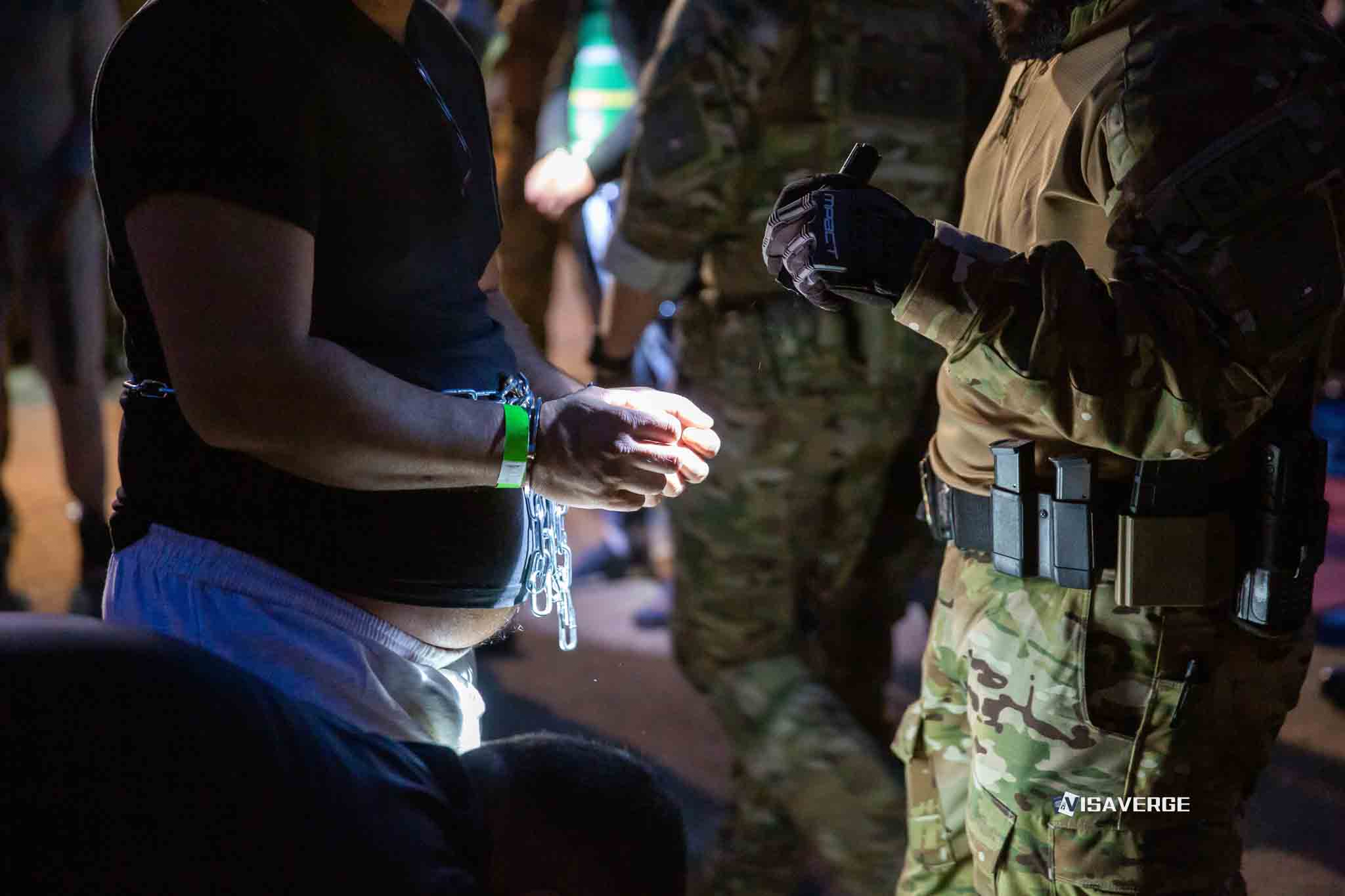
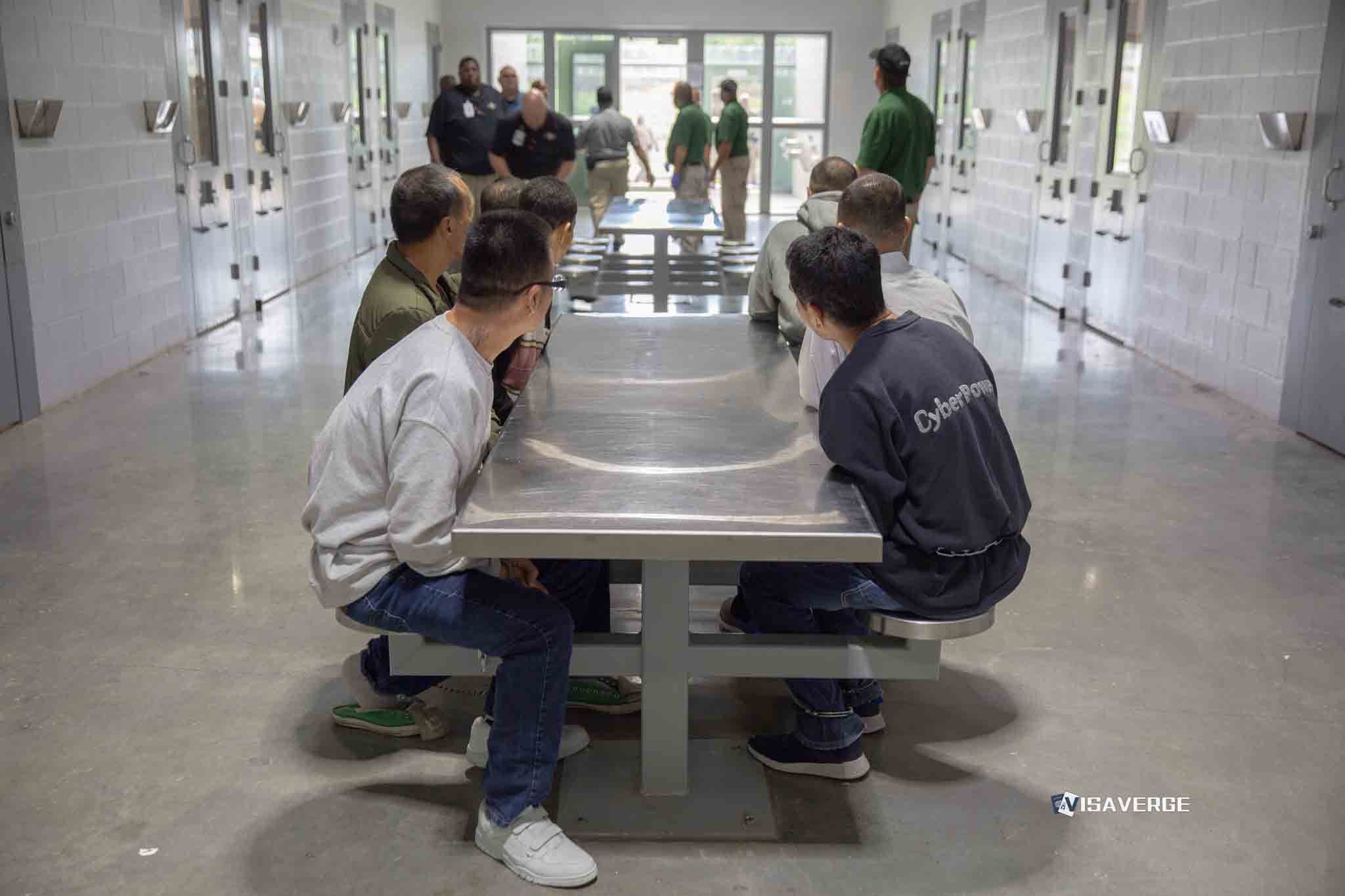
On March 15, 2025, at least 261 migrants—including 137 Venezuelans—were deported from the United States ?? to El Salvador ??. Most of these individuals were accused of being members of the Tren de Aragua, a Venezuelan criminal group. Instead of being given a fair hearing in the U.S., they were sent directly to CECOT, a massive prison in El Salvador ?? that can hold over 40,000 inmates and currently houses about 14,000 people.
The U.S. government paid El Salvador ?? $6 million to house these migrants at CECOT. Many of the deportees were identified as gang members based only on tattoos or unproven suspicions. Human rights groups quickly raised concerns, saying that holding people incommunicado—meaning without contact with lawyers or family—could amount to enforced disappearance, which is a serious violation of international law.
The Court’s Ruling: Due Process Must Be Respected
Judge James A. Boasberg’s ruling is clear: deportees must be given due process. This means they have the right to know why they are being removed and to challenge that decision in a U.S. court. The judge said that the government’s suspicions alone are not enough to deny someone a legal hearing. He wrote, “The government’s mere promise that there has been no mistake does not suffice.”
The court’s order does not spell out exactly how the government should fix the problem. Instead, it tells the government to come up with a plan that allows deportees to challenge their removal as if they had never been denied due process in the first place. This includes restoring their right to file a habeas corpus petition—a legal action that lets someone ask a court to review whether their detention or deportation was lawful.
Who Is Affected: Class Action for Venezuelan Deportees
The ruling applies to hundreds of people deported on March 15, 2025, and it certifies a class action for Venezuelans accused of being part of the Tren de Aragua. This means the court’s decision covers not just individual cases, but a whole group of people who were treated the same way. According to analysis by VisaVerge.com, this class action could open the door for even more migrants to challenge their deportations if they were denied due process.
Why This Matters: Rights, Law, and International Relations
Restoration of Legal Rights
The most important effect of the ruling is that deportees now have the right to challenge their removal in U.S. courts, even after they have been sent to El Salvador ??. This could lead to some deportations being reversed and people being allowed to return to the United States ??.
International Law and Human Rights
Human rights organizations warn that the way these deportations were handled may break international law. Holding people in a foreign prison without access to lawyers or family members can be seen as an enforced disappearance. Many of the deportees had no criminal record and were labeled as gang members based only on tattoos or rumors.
Diplomatic Tensions
The case has created a standoff between the United States ?? and El Salvador ??. The U.S. says it cannot force El Salvador ?? to release or return the deportees, while El Salvador ?? claims it cannot send them back without U.S. action. President Nayib Bukele of El Salvador ?? has said he does not have the power to return deportees to the U.S., adding to the diplomatic impasse.
Limits on Presidential Power
This ruling also sets a legal precedent. It shows that even when the president claims national security concerns, the courts can step in to make sure basic rights are respected. The decision limits how the president can use old laws, like the Alien Enemies Act (AEA), to remove people without giving them a fair hearing.
The Legal Background: The Alien Enemies Act and Recent Court Battles
What Is the Alien Enemies Act?
The Alien Enemies Act is a law from 1798 that lets the president remove people from countries the U.S. is at war with. President Trump used this law to deport Venezuelans, even though the United States ?? is not at war with Venezuela. This was the first time the AEA was used against nationals of a country not at war with the U.S.
Court Orders and Supreme Court Involvement
The March 15, 2025, deportations happened even though a federal court had ordered the government to stop such flights. Judge Boasberg later found probable cause for criminal contempt against the administration, saying there was “willful disregard” for the court’s instructions.
On April 11, 2025, the Supreme Court unanimously ruled that the administration must help release at least one deportee, Kilmar Armando Abrego Garcia, and handle his case as if he had not been improperly deported. The Court rejected the administration’s claim that courts have no authority to intervene in these deportations.
How the Process Works: Step-by-Step
Before Deportation
- Notification: Migrants must be told about removal proceedings.
- Legal Hearing: They must be given a chance to challenge their deportation before an immigration judge or federal court.
After Deportation
- Access to Legal Help: For those already deported, the government must help them get legal counsel and access to U.S. courts.
- Remote Hearings or Return: This could mean setting up remote court hearings or arranging for their return to the U.S. if needed.
Habeas Corpus
- Restoration of Rights: The court ordered that deportees must be allowed to file habeas corpus petitions to challenge the legality of their removal.
Government’s Next Steps
- Proposal Required: The government must propose a process for restoring due process protections, which the court will review and approve.
For more information on U.S. deportation procedures and detainee rights, readers can visit the U.S. Department of Homeland Security’s official website.
Stakeholder Perspectives: Multiple Sides of the Debate
Trump Administration
President Trump and his team argue that expedited deportations are needed for national security. They believe the courts should not interfere with the president’s power to manage foreign affairs. Attorney General Pam Bondi has said the U.S. cannot force El Salvador ?? to return deportees, and Secretary of State Marco Rubio claims that foreign policy is the president’s job, not the courts’.
The Judiciary
Judges like James A. Boasberg say that due process is a basic right for everyone facing removal from the United States ??, no matter where they are from or what they are accused of. The courts have made it clear that they have the power to enforce these rights, even in cases involving national security.
El Salvador ??
President Nayib Bukele says his government cannot return deportees to the United States ?? without U.S. action. El Salvador ?? claims it is not responsible for the legal status of people sent there by the U.S.
Human Rights Advocates
Groups like Cristosal have condemned the deportations, saying they may amount to arbitrary detention and enforced disappearance. They point out that many deportees had no criminal record and were targeted based on appearance or unproven suspicions.
Policy Implications: What Happens Next?
Restoration of Rights
The government must now create a process to give deportees a fair chance to challenge their removal. This could lead to some people being allowed to return to the United States ?? if their deportation is found to be unlawful.
International Law
The case has drawn attention from human rights groups, who warn that the U.S. could be breaking international law by sending people to a foreign prison without due process.
Diplomatic Challenges
The standoff between the U.S. and El Salvador ?? may continue, as both sides claim they cannot act without the other. This could make it hard to carry out the court’s orders.
Precedent for Future Cases
The ruling sets a new standard for how the U.S. must handle deportations, especially in cases involving national security or alleged criminal activity. It limits the president’s power to use old laws like the AEA to bypass basic legal rights.
Looking Ahead: What to Expect
Appeals and Legal Battles
The Trump administration is expected to appeal Judge Boasberg’s ruling, which could lead to more court battles and delays.
Implementation Challenges
The government must figure out how to give deportees access to U.S. courts, which may involve complicated arrangements with El Salvador ?? and logistical hurdles.
More Class Actions
The certification of a class action for Venezuelan deportees could lead to more lawsuits on behalf of other groups who were denied due process.
Ongoing Oversight
Congress and the courts are likely to keep a close watch on how the administration uses the AEA and whether it follows court orders.
Practical Guidance for Affected Individuals
- If you or a loved one was deported to El Salvador ?? on or after March 15, 2025: You may be part of the class action and have the right to challenge your deportation in U.S. courts.
- Contact Legal Aid: Reach out to human rights organizations or legal aid groups for help accessing legal counsel.
- Monitor Official Updates: Check the U.S. District Court for the District of Columbia for updates on the case and new procedures.
- Know Your Rights: Due process means you have the right to a fair hearing and to challenge your removal, even after deportation.
Conclusion: A Turning Point for Due Process and Deportation Policy
Judge James A. Boasberg’s ruling marks a turning point in how the United States ?? handles deportations, especially for those sent to countries like El Salvador ?? under controversial circumstances. By insisting on due process, the courts have reaffirmed that everyone deserves a fair chance to be heard, no matter their nationality or the accusations against them.
As the legal and diplomatic battles continue, the outcome will shape not only the lives of those already deported but also the future of U.S. immigration policy. Stakeholders—including migrants, government officials, human rights advocates, and foreign governments—will all be watching closely to see how the government responds and whether due process protections are truly restored.
For those affected, the most important step is to seek legal help and stay informed about new developments. The fight for due process is far from over, but this ruling is a strong reminder that basic rights cannot be ignored, even in the most difficult cases.
Learn Today
Due Process → Legal right to fair notice and hearing before deprivation of liberty or deportation.
Habeas Corpus → A petition protecting individuals from unlawful detention or deportation via court review.
Alien Enemies Act → 1798 law allowing deportation of nationals from countries the U.S. is at war with.
Class Action → A lawsuit representing a group of people experiencing similar legal issues.
CECOT Prison → High-security facility in El Salvador holding deported migrants under U.S. contract.
This Article in a Nutshell
A landmark June 2025 ruling by Judge Boasberg affirms due process rights for migrants deported to El Salvador. Deportees can now legally challenge removals despite detention in CECOT prison. This decision reshapes immigration law and limits presidential power, emphasizing fair hearings even under national security claims.
— By VisaVerge.com