- More than 140 detained people ended a hunger strike at Northwest ICE Processing Center on August 21, 2026.
- Advocates said detainees protested inedible and untimely food portions, plus missing hygiene items and medical care.
- Officials say GEO Group handles food while ICE oversees healthcare, and promised changes remained unimplemented.
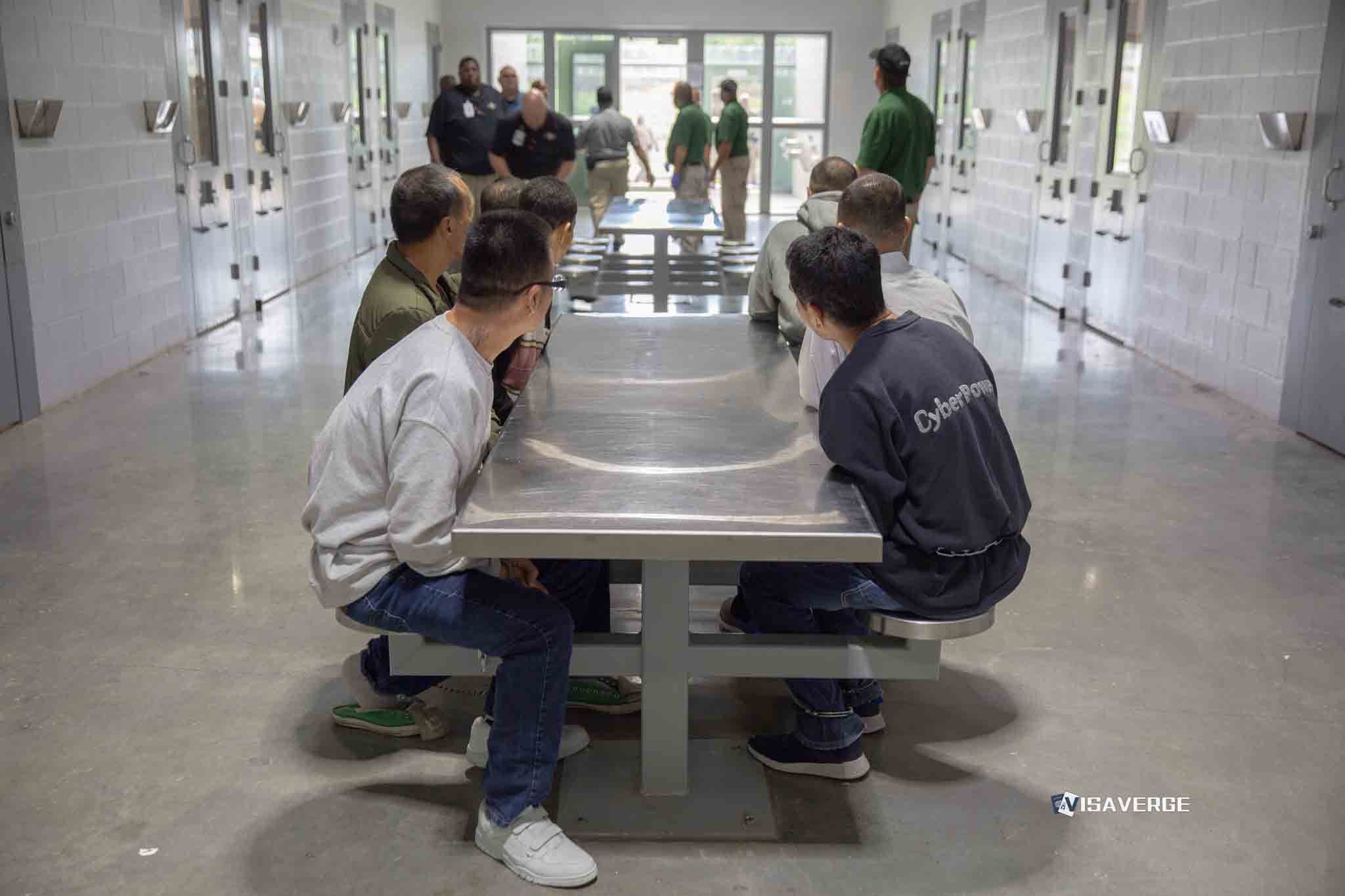
More than 140 detained people ended a hunger strike at the Tacoma-area Northwest ICE Processing Center on August 21, 2026, after advocates said they were protesting “inedible and untimely food portions” and medical neglect.
The detainees sought edible food, meals delivered on time, hygiene items and medical care. Advocates said the facility had not put promised changes in place as of August 2026.

The complaints covered both daily necessities and treatment. Food shortages and delays formed one part of the protest. Medical care formed another.
The allegations concern the Tacoma-area facility. They should not be confused with a separate detention case in El Paso that has also been described using the nickname “Deportation Depot.”
The contractor serves meals while ICE oversees health care
Responsibility for the two central complaints is divided between the private operator and the federal agency.
| Detention function | Responsible entity |
|---|---|
| Facility operations and food service | GEO Group |
| Healthcare | ICE |
The operator handles meals, while ICE oversees healthcare at the center. That division places food-quality and medical-treatment allegations against different parts of the detention system.
Detainees also described conditions beyond food and treatment. Their accounts included:
- Black mold in showers.
- Unsafe drinking water.
- Laundry returned wet and dirtier than before.
- Food containing “burned plastic, metal string, rope, splinters, hair, and worms.”
Those reports describe alleged problems in showers, water access, laundry and meals. The food allegations addressed both what portions contained and how they were delivered.
The Tacoma allegations should not be merged with a separate El Paso detention case
The phrase “Deportation Depot” appears to be an advocacy and reporting nickname rather than the formal name of the Tacoma center. The separate facility associated with that label in the supplied reporting is Camp East Montana in El Paso.
That distinction changes which allegations belong to which site. The El Paso reporting described three deaths during the facility’s first year, along with claims that detainees were denied lifesaving medication and basic hygiene supplies such as soap.
Rep. Veronica Escobar described the El Paso center as having a “lack of health care, poor quality food and sanitary conditions and threats made to force immigrants to self-deport.”
Charlotte Weiss, an attorney with the Texas Civil Rights Project, said:
“In the span of 365 days, three people have died and countless have been denied their lifesaving medication and hygienic supplies, such as soap.”
Ricardo Andrade Mosquera, a 29-year-old Venezuelan former detainee, also described medication problems there.
“In (Camp East) Montana they do not give medicine,”
He added:
“There you either have to have died or show them you are dying.”
Those statements concern Camp East Montana, not the Tacoma-area protest. Former detainees also described food at the El Paso site as “inedible,” “half-frozen,” or “rotten,” and said the facilities were rarely cleaned.
A cited GAO report found that ICE opened the El Paso facility without meeting key standards and with little oversight. The report also found that ICE was charged for 5,000 meals even though no detainees were yet being held there.
DHS and ICE dispute the broader medical-care allegations
DHS spokespersons publicly emphasized the medical services ICE says it provides in response to allegations about detention conditions. The statement addressed vaccines, medical and dental treatment, mental health services, appointments and emergency care.
“ICE provides comprehensive medical care, including access to vaccines, medical, dental, and mental health services, as well as medical appointments and 24-hour emergency care.”
Congressional oversight, internal investigations and civil-rights groups continued documenting allegations that conflicted with that account at Camp East Montana.
The official response does not establish that the El Paso allegations apply to Tacoma. At the Tacoma center, advocates said promised changes remained unimplemented when the reporting was published.
The protest therefore ended without resolving the public dispute over conditions there. The allegations remain focused on food, hygiene and access to medical care, while the separate El Paso case includes the deaths, medication claims and GAO findings.
The Tacoma protest ended on August 21, 2026. Advocates were still pressing over the promised changes as of August 2026.
This article provides general information and is not legal advice. Consult a qualified immigration attorney about your specific case.