- Judge Jinsook Ohta denied an emergency temporary restraining order to open DV-2027 registration immediately.
- Red Eagle Law must file its preliminary injunction motion by September 8; the hearing is set for September 24, 2026.
- The lawsuit targets the next lottery cycle; DV-2026 selectees still face the September 30, 2026 deadline.
U.S. District Judge Jinsook Ohta denied without prejudice an emergency request to force the State Department to open registration for the 2027 Diversity Visa program, but kept the lawsuit on an accelerated schedule in federal court in San Diego.
The order leaves DV-2027 registration closed for now. The case can still move toward broader relief.
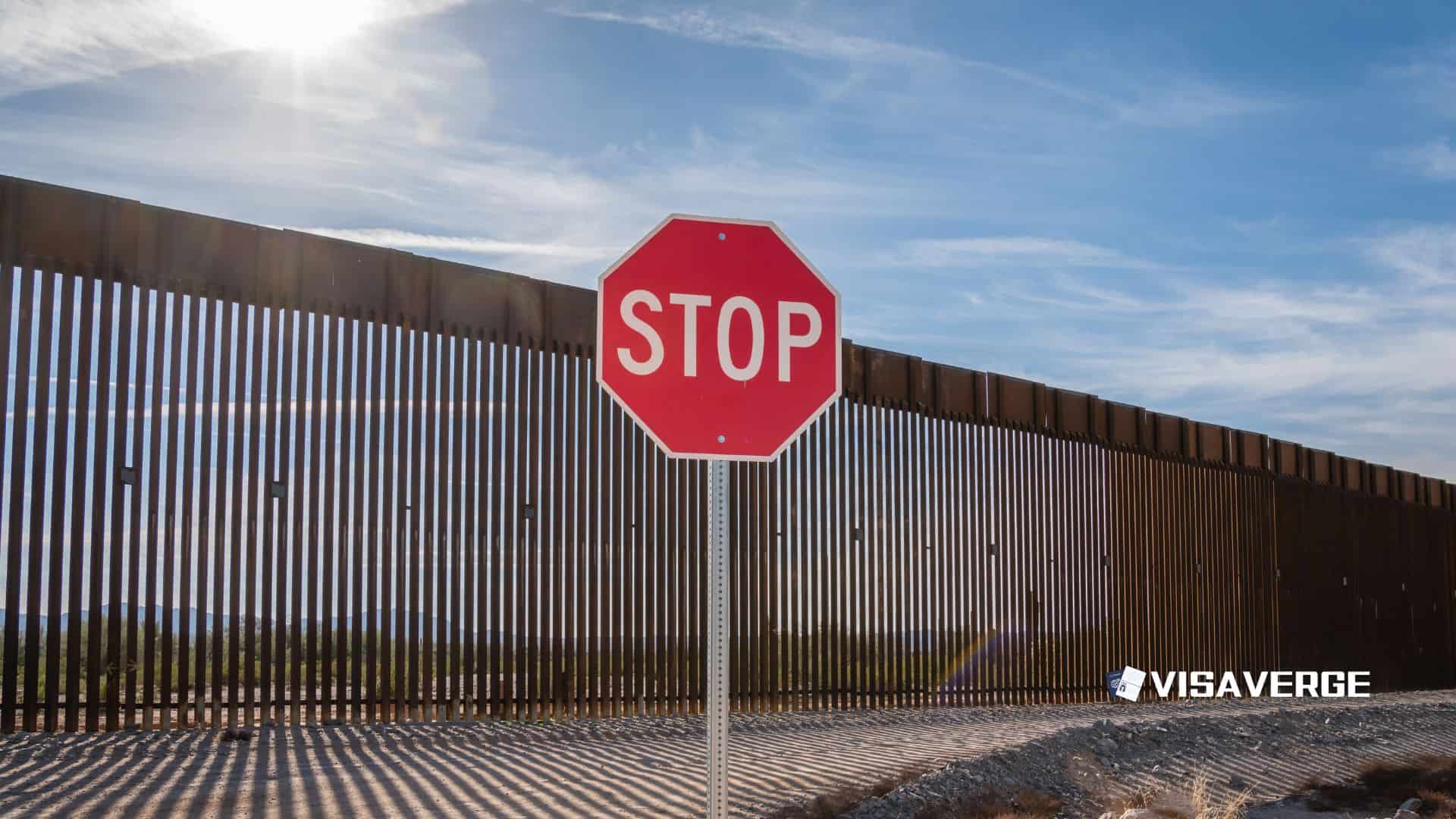
Red Eagle Law L.C. must file its motion for a preliminary injunction by September 8. The government must respond by September 14, and the court set a hearing for September 24, 2026.
The lawsuit names Secretary of State Marco Rubio. It challenges the State Department’s failure to announce a registration window for fiscal year 2027.
| India | China | ROW | |
|---|---|---|---|
| EB-1 | Feb 01, 2023 | Aug 01, 2023 ▲31d | Current |
| EB-2 | Nov 01, 2013 | Oct 01, 2021 | Apr 01, 2025 ▲90d |
| EB-3 | Jan 22, 2014 ▲21d | Jan 22, 2022 ▲14d | Jun 15, 2024 ▲31d |
| F-1 | Jan 22, 2021 ▲366d | Jan 22, 2021 ▲366d | Jan 22, 2021 ▲366d |
| F-2A | Oct 22, 2026 ▲30d | Oct 22, 2026 ▲30d | Oct 22, 2026 ▲30d |
The emergency request failed, but the case remains on a fast track
The plaintiffs sought an emergency temporary restraining order requiring the agency to open registration immediately. Ohta rejected that request without prejudice, meaning the denial did not end the broader effort to obtain court-ordered relief.
The next request will ask for a preliminary injunction. That proceeding will give the court a fuller opportunity to examine the dispute.
The case is captioned Red Eagle Law L.C. v. Rubio. The judge also raised whether Red Eagle Law L.C. has standing to bring the challenge.
The lawsuit’s legal theory centers on the annual registration requirement. The filing argues that federal law and regulations require the Secretary of State to designate a registration period of at least 30 days each fiscal year.
The State Department had not announced the official opening date for DV-2027 registration as of the reporting date. The court’s decision does not itself establish a new registration period.
The case concerns the next lottery, not the expiring DV-2026 cycle
The dispute over DV-2027 is separate from litigation involving people already selected for DV-2026. The new case seeks to force the government to open the next lottery registration period.
It does not seek to extend the DV-2026 deadline.
DV-2026 selectees generally must receive their visas or adjust status by September 30, 2026. That fiscal-year cutoff remains central to the earlier lawsuits.
The distinction creates two separate timelines. One concerns whether new applicants can register for DV-2027. The other concerns whether existing DV-2026 selectees can complete processing before the fiscal year ends.
Earlier orders gave different groups different forms of relief
On August 25, 2026, U.S. District Judge Richard J. Leon of the U.S. District Court for the District of Columbia granted partial summary judgment in three related cases: Ivanov v. Trump, Chersak v. Department of State, and Saito v. Department of State.
Leon ordered the government to resume processing for the named plaintiffs and their derivatives before the September 30 fiscal-year deadline. The relief covered those parties rather than automatically reopening the program for everyone.
A separate order followed three days later. On August 28, 2026, U.S. District Judge Edward J. Davila of the Northern District of California issued a preliminary injunction in Medani v. Trump.
Davila temporarily vacated three policies that had frozen DV-2026 processing. He also certified nationwide classes of affected selectees and family members.
The State Department reportedly resumed DV issuance effective August 28 after the Medani order. That development involved issuance and processing for DV-2026, not the opening of DV-2027 registration.
| Issue | Current position |
|---|---|
| DV-2027 registration | No official opening date announced in the material; the emergency request to compel immediate opening was denied |
| Red Eagle lawsuit | Preliminary-injunction motion due September 8; government response due September 14 |
| Court hearing | September 24, 2026, in federal court in San Diego |
| DV-2026 deadline | Visas generally must be issued or status adjusted by September 30, 2026 |
| DV-2027 registration fee | A $1 electronic registration fee is reported to apply and cannot be waived |
The fee is a registration requirement, not a court-created remedy. It does not change the separate deadline governing DV-2026 selectees.
The registration fight now turns on the preliminary injunction
The denial means the agency does not have to open DV-2027 registration immediately under Ohta’s order. The plaintiffs can still ask the court to require registration after briefing and a hearing.
A preliminary injunction could compel the State Department to announce and open a registration period. Without that relief, the delay could continue unless the agency acts voluntarily or another court order intervenes.
The September schedule compresses the next stages of the case into a few weeks. Red Eagle must submit its filing by September 8, the government’s response is due September 14, and the court will hear the request on September 24, 2026.
This article provides general information and is not legal advice. Consult a qualified immigration attorney about your specific case.