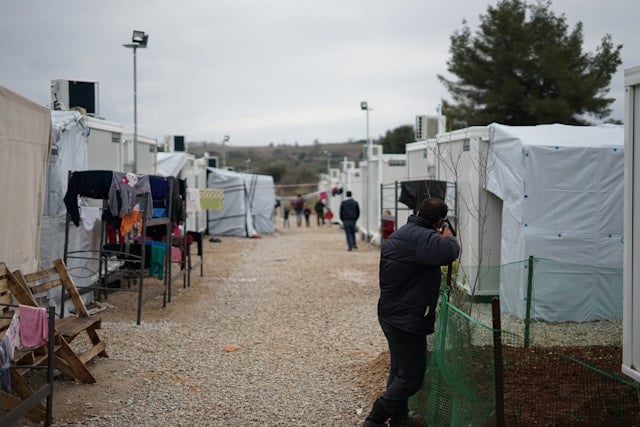
(GEORGIA) The second administration of President Trump is moving fast to expand ICE detention centers, backed by $45 billion approved by Congress on July 1, 2025, for new facilities, including family sites. The funds are part of a larger $170 billion enforcement package, with ICE’s annual budget tripling and daily detention capacity projected to reach at least 116,000 non-citizens. In Georgia and other rural states, federal officials say the build-out will bring jobs and strengthen immigration enforcement. Many local residents remain unconvinced.
Stewart County illustrates the tension. The Stewart Detention Center already dominates the county’s immigration landscape, with the vast majority of the county’s 414 pending deportation cases tied to people held inside the facility rather than living in the community. Rural counties like Stewart face outsized effects because detention changes who shows up in local immigration courts and how fast cases move, often without steady access to lawyers or family support.
Federal agencies are pursuing parallel policy shifts. Two major family detention centers in Texas have reopened, and more are planned nationwide. The Department of Justice is seeking to end the long-standing Flores Settlement Agreement, which sets rules for the care of immigrant children. If courts agree, indefinite family detention could follow. Advocacy groups warn that such a change would deepen harm for children and parents already facing uncertain legal paths.
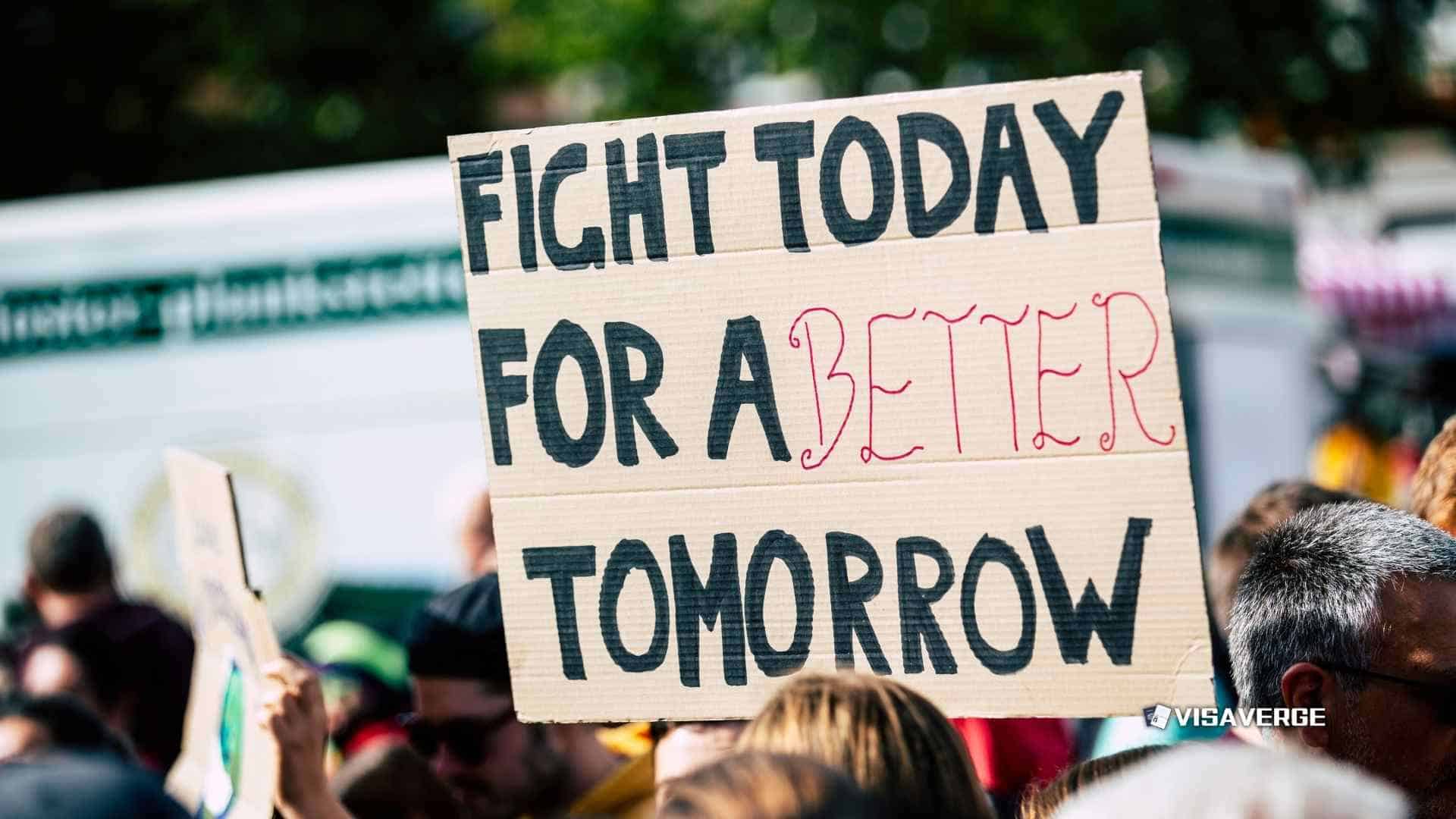
Free toolUSCIS Receipt Number DecoderThe national push is meeting a wall of skepticism in rural places targeted for new or expanded sites. Protests broke out in Colorado on August 15, 2025, over plans to convert the Walsenburg Correctional Facility into an ICE center. Residents there echoed worries heard in parts of Georgia: that the new facilities won’t deliver lasting growth, that many jobs will pay low wages, and that the presence of detention brings social strain rather than community renewal.
Georgia’s detention footprint and local response
Georgia has long been part of ICE’s rural map because land is cheaper, zoning is simpler, and counties are eager for large employers. Private operators—most notably CoreCivic—run facilities through federal contracts.
- CoreCivic says its centers follow high standards and bring payroll and local spending, while noting it does not control arrests or deportations.
- Immigrant advocates and many residents point to a different track record: limited wage growth, high staff turnover, and a local economy that rises and falls with detention headcounts.
Stewart County’s experience looms large in these debates. When most people in proceedings are locked up rather than living locally, they struggle to find attorneys, appear by video for hearings, and face long waits for medical care.
Recent court filings from reopened family centers in Texas describe overcrowding and fights over basics like hygiene supplies. Policy experts say that locating such facilities far from cities with legal services raises the odds that detainees will move through the system without full legal review, even as the stakes—deportation and possible family separation—remain high.
According to analysis by VisaVerge.com, the 2025 funding surge prioritizes detention over due process supports like legal counsel and expanded asylum processing. The American Immigration Council calls the approach short-sighted and says it diverts resources from community-based programs that are cheaper and more humane. Supporters in Congress counter that the new capacity is needed to enforce the law and manage cross-border arrivals.
Economic promises vs. on-the-ground realities
Backers say detention centers bring steady payrolls, property taxes, and outside spending by contractors. Some Georgia leaders agree, noting that prisons and detention sites can anchor small-town budgets. Yet expert reviews and local experience suggest the gains are often limited and short-lived.
Key economic observations:
- Many jobs start at modest pay and staffing is volatile.
- Profits may flow to corporate headquarters rather than local businesses.
- When federal contracts change or populations drop, counties can be left with idle buildings and few replacement options.
Residents who question the build-out cite three recurring concerns:
- Jobs are heavily concentrated in security roles with high turnover, while support services are often outsourced.
- Facility isolation makes it hard to attract and keep medical, mental health, and legal professionals.
- A detention-first economy can deter other investors, especially in tourism, education, or healthcare.
Those concerns extend beyond economics. Families in Georgia report:
- Long drives to visit loved ones and high phone costs they can barely afford.
- Confusion about court dates when hearings happen by video.
- Overburdened public defenders and nonprofit lawyers with full caseloads and waitlists.
Barriers stack up in rural locations: fewer bilingual clinicians, fewer legal aid groups, and long travel times to immigration courts. National advocates point to community-based case management programs as alternatives that keep people with their families while tracking cases at lower public cost.
Policy, oversight, and transparency
Facilities are supposed to meet federal standards, and oversight includes monthly inspections and annual reviews. However, inspection results are not routinely shared with the public, leaving community members to rely on scattered reports and occasional audits.
The administration’s push to end the Flores protections would change rules for children and families, raising fresh worries about care, education, and medical support if longer stays become the norm.
Important: The political and legal landscape is fluid. Congress approved core funding, but further budget votes later in 2025 could expand contracts and accelerate the build-out.
In many towns, public meetings now stretch late into the night. Supporters emphasize federal dollars and local hiring. Opponents warn that expanded detention will deepen social divides, bring more protests, and strain county services such as emergency healthcare and courts.
Where to find official information
For residents seeking facts, the best starting point is official federal documentation of detention standards and locations. ICE maintains public pages about facilities and policies at https://www.ice.gov/detention-facilities.
- These pages list sites and offer contact details.
- They do not answer whether a new center will meet local hopes for growth—or local fears about lasting harm.
What’s next
Future developments in Georgia will depend on:
- Contracts between ICE and private operators.
- County-level negotiations over taxes and infrastructure.
- Court rulings on the Flores Settlement Agreement.
Possible scenarios:
- If family detention expands further, Georgia could see bids for new beds or transport contracts tied to Texas facilities.
- If legal challenges slow or cut back detention, counties that banked on steady headcounts may have to rethink plans.
For now, the numbers tell a clear story: billions in federal money, with decisions about where to place thousands of new beds moving faster than community consensus. In Stewart County and beyond, people are asking whether detention can carry a rural economy—and whether that economy aligns with the kind of community they want to build.
This Article in a Nutshell
Congress approved $45 billion July 1, 2025, to expand ICE detention capacity, sparking rural debates. Georgia counties weigh promised jobs against low wages, strained services, and legal access problems. Advocates warn of harm from family detention expansion and Flores settlement changes; communities question whether detention brings lasting economic benefit.