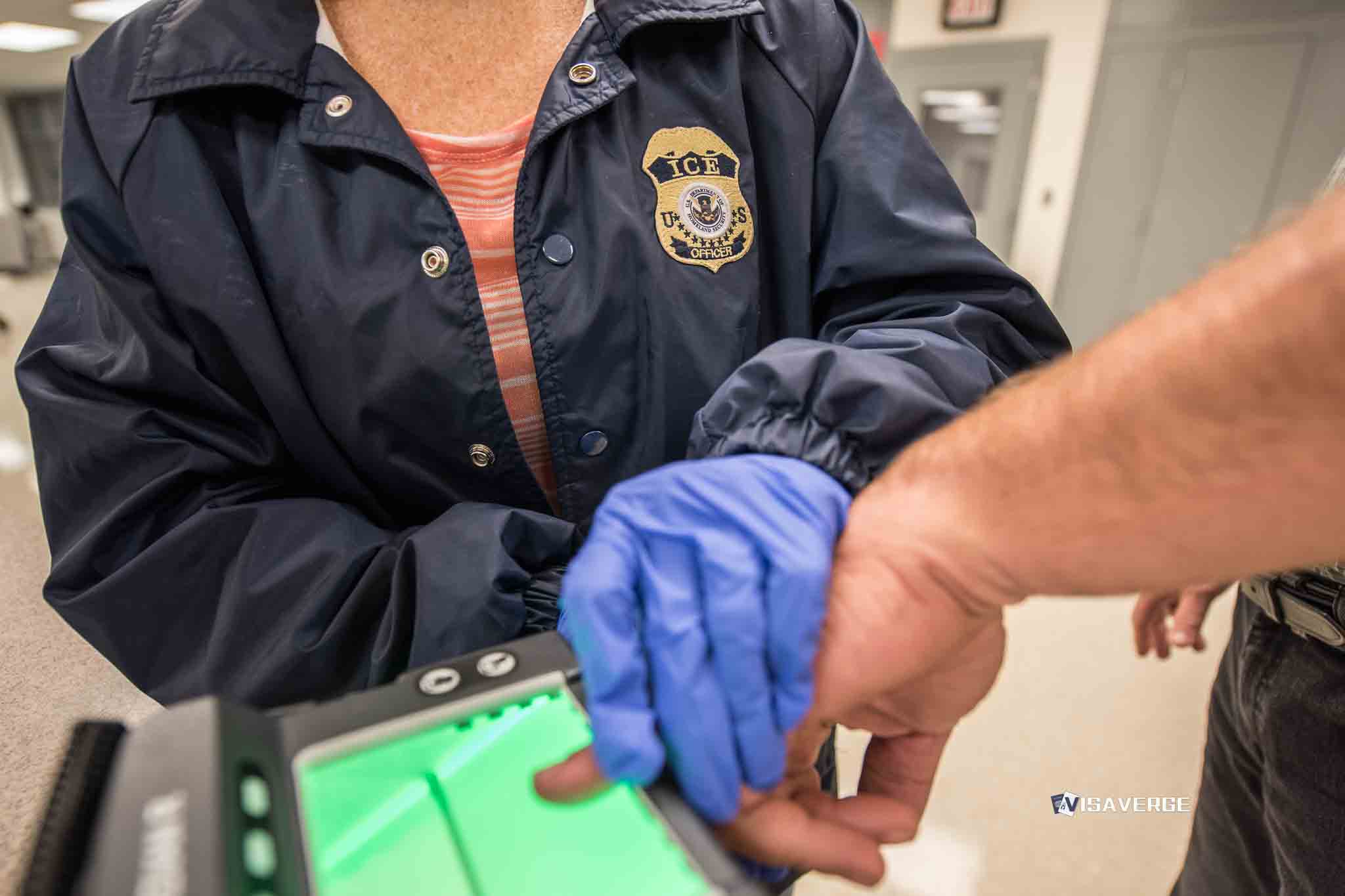
- ICE signed a five hundred twenty-nine million dollar contract with GEO Group to reopen a Colorado facility.
- The Hudson site will hold one thousand one hundred eighty-eight detainees as part of a national expansion.
- Colorado has enacted state oversight laws to inspect detention facilities for health and safety compliance.
(HUDSON, COLORADO) — U.S. Immigration and Customs Enforcement signed a $529 million contract to reopen a detention center in Hudson, establishing the first confirmed site in Colorado’s planned expansion of immigration detention.

GEO Group will operate the facility, formerly known as the Hudson Correctional Facility and now identified in internal documents as the Big Horn Correctional Facility. The center is expected to hold up to 1,188 detainees and serve the Denver Enforcement Removal Operations field office.
ICE initially proposed six privately owned facilities in July 2025. Documents released after a Freedom of Information Act lawsuit show that the agency has narrowed its immediate focus to Hudson, Walsenburg and Ignacio.
Free toolUSCIS Receipt Number DecoderWalsenburg’s Huerfano County Correctional Center and a proposed Ignacio site remain under consideration. No contracts had been awarded for either location as of mid-2026.
The Hudson contract arrives as the national ICE detention population reaches record levels. More than 73,400 people were in custody as of March 2026, while the agency used 456 facilities and publicly acknowledged 220.
Detention book-ins through the Denver field office rose 61% compared with the previous year. The increase has drawn criticism from immigrant rights groups, which argue that the federal government is expanding detention faster than oversight systems can monitor conditions.
The Hudson site has stood closed since 2014. Its reopening gives ICE a facility with an existing structure and established correctional infrastructure, while the other proposed Colorado locations remain at earlier planning stages.
The ACLU of Colorado filed a FOIA lawsuit in September 2025 that resulted in the release of 306 pages of heavily redacted internal documents. Those records identified Hudson as a priority site, showed that ICE had renamed it the Big Horn Correctional Facility, and identified Walsenburg and Ignacio as locations under consideration.
The original list included the Huerfano County Correctional Center, Cheyenne Mountain Center in Colorado Springs, the Baptiste facility in La Junta and a Colorado Springs migrant facility. ICE later dropped those locations from its immediate priority list, while adding Ignacio, which did not appear on the July 2025 list.
The Huerfano County facility, owned by CoreCivic, has been closed since 2010 and has 752 beds. Cheyenne Mountain, operated by GEO Group, closed in 2020 and had been proposed for 700 beds. The Baptiste Group operated the La Junta facility in 2023, while the Colorado Springs migrant site operates as a nursing facility.
Congress allocated $45 billion for ICE detention in July 2025 under the “One Big Beautiful Bill Act.” By March 2026, ICE had reopened 170 detention centers and opened 152 new facilities, according to figures cited in the documents and analyses surrounding the expansion.
The agency held 61,226 detainees in August 2025. The March 2026 total of more than 73,400 represented a new high, while the administration pursued a detention capacity target of up to 116,000 people daily nationwide.
The Vera Institute of Justice recorded roughly 119,500 detention bookings during the first four-and-a-half months of the second Trump administration, a 46% increase over the same period under President Biden. More than 70% of people granted voluntary departure orders between January 2025 and March 2026 were in detention when they requested to leave.
Immigration judges issued more than 80,000 voluntary departure orders between January 2025 and March 2026, a more than 600% increase from the final 15 months of the Biden administration. Attorneys have argued that the detention of many people at the time of their requests reflects coercion rather than a genuinely voluntary decision.
Colorado lawmakers have moved to increase state oversight of federal detention centers. Governor Jared Polis signed House Bill 1276 in June 2026, authorizing the Colorado Department of Health and Environment to inspect food safety, water quality and confinement conditions at federal immigration detention facilities.
The law also creates a fee on detention facilities to fund the inspections. GEO Group sued Colorado in June to block the inspection requirement, arguing that federal facilities should not face state regulatory oversight.
Polis also signed House Bill 1283, which makes it a crime for an employer to confiscate or demand an employee’s identification documents. The law classifies handing those documents to federal authorities as a “bias-motivated crime.”
A federal judge ruled in May 2026 that ICE had “materially violated” a November 2025 preliminary injunction by continuing to make warrantless arrests in Colorado without individualized pre-arrest determinations of flight risk or probable cause.
The ruling came as the agency expanded its detention capacity in the state. Federal courts elsewhere have also questioned mandatory detention policies. On May 11, the U.S. Court of Appeals for the Sixth Circuit rejected a policy requiring detention without bond hearings for immigrants who had lived in the United States for years and faced detention based solely on their manner of entry.
Concerns about medical care and detention conditions have intensified alongside the expansion. Six people died in ICE custody during the first three weeks of 2026.
Research from the Penn LDI found that more than half of ICE facilities lacked continuous physician coverage for at least one year. About half had no continuously employed psychiatry providers, five facilities reported no behavioral health providers of any type, and six reported attempted suicides during the same year.
GEO Group’s record has also drawn scrutiny. The company operates the Aurora detention center in Colorado and previously operated the Rivers Correctional Facility in Winton, North Carolina, which lost federal contracts in 2021 after findings involving violence, sexual assault and officer misconduct. Former officers at Rivers were later sentenced for contraband and bribery.
The ACLU of Colorado has described the expansion as “unconscionable” and pointed to deaths and medical neglect at the GEO-run Aurora facility. Advocacy groups have also criticized the National Detention Standards introduced in 2025, arguing that they do not provide enough protection for detainees.
The Hudson contract covers a six-month period. Its value and limited term have prompted questions about how the facility will be monitored and whether the operation will continue under later agreements.
Todd Lyons, who signed the contract as acting director of ICE, stepped down on May 31, 2026. David Venturella replaced him as the agency prepared to operate with funding from the new law, more than 22,000 officers and agents, and expanded detention capacity.
“This year will be a good year. Mass deportations are coming.”
White House border czar Tom Homan described the administration’s deportation plans in direct terms.
Hudson sits northeast of Denver in a rural area where detainees can face limited access to attorneys and community support. The facility’s reopening could place more people farther from relatives and legal representatives as ICE increases enforcement activity in Colorado.
The expansion remains subject to litigation and state oversight efforts. GEO Group’s lawsuit could affect the inspection program, while the ruling on warrantless arrests could constrain how ICE fills facilities such as Hudson.
The federal government has not awarded contracts for Walsenburg or Ignacio. Their future will depend on further agency decisions, legal challenges and the response to Colorado’s attempt to inspect the conditions inside facilities operating under federal authority.