- South Africa’s Home Affairs department withdrew its asylum-intake instructions on October 9, 2026, after reception offices became overwhelmed.
- The withdrawal does not cancel the binding July court ruling, which bars procedural failures alone from blocking access to the asylum system.
- Unrest in Durban and Soweto included burned vehicles, looting, and property damage; a replacement process remains pending.
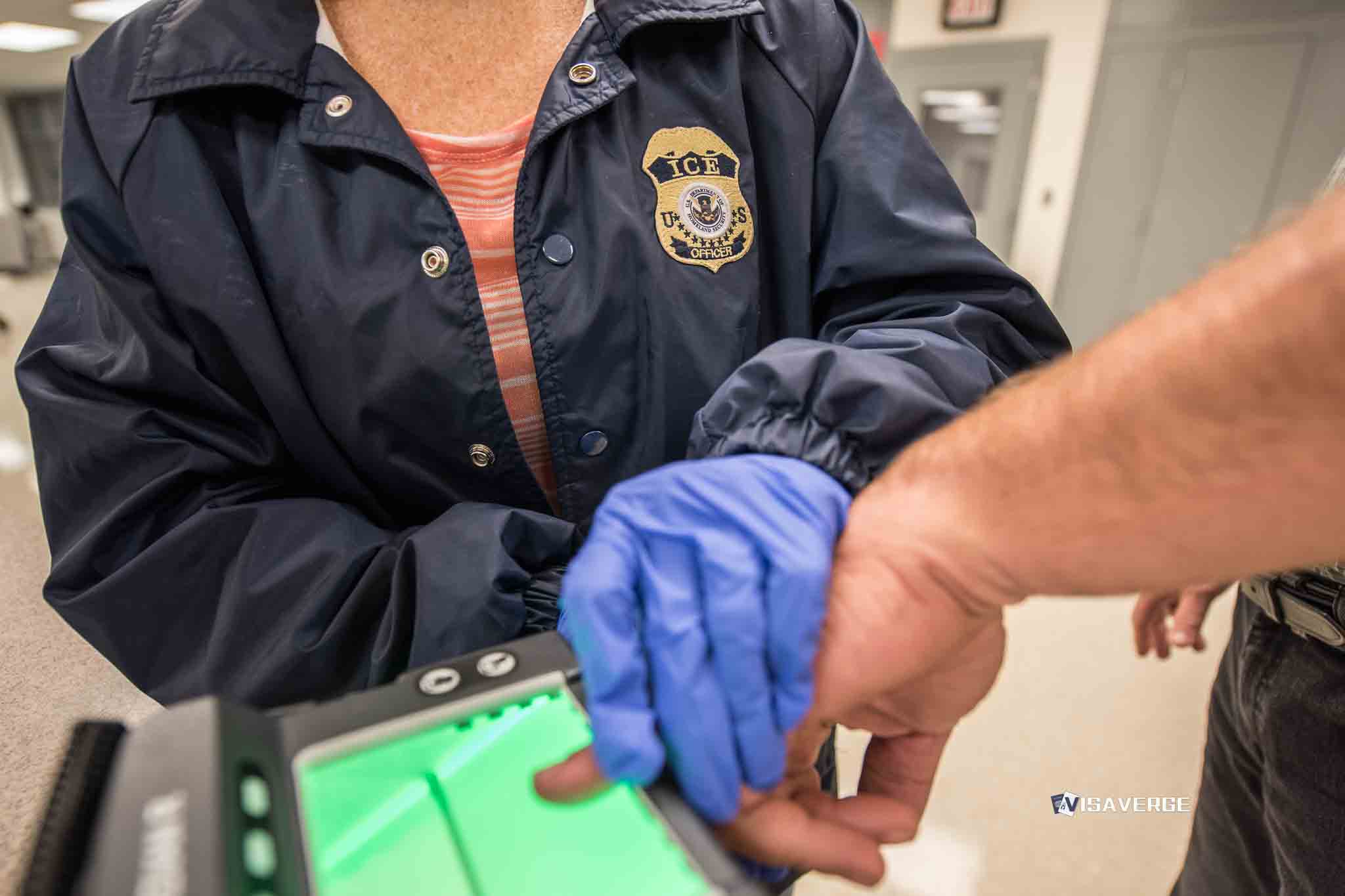
South Africa’s Department of Home Affairs withdrew its asylum-intake instructions on Friday, October 9, 2026, after reception offices were overwhelmed and anti-immigration protests turned violent in Durban and Soweto. The move cancels the asylum seeker directive, not the court judgment it was designed to carry out.
The directive, issued on September 28, instructed Refugee Reception Offices to take in people who said they intended to seek asylum. It covered applicants who had previously been turned away because they entered the country irregularly or missed immigration deadlines.
Free toolUSCIS Receipt Number Decoder
Director-General Tommy Makhode issued the instruction. The department said he did so without the knowledge of Home Affairs Minister Leon Schreiber or other political office-bearers.
The instruction followed a July 7, 2026 ruling in the Scalabrini Centre of Cape Town matter. The court found that procedural failures alone could not bar people from South Africa’s asylum system. That judgment remains binding.
The court ruling still sets the terms for asylum access
The department’s withdrawal removes its own operational instructions. It does not revive the procedural barriers that the ruling invalidated, or change the judgment’s requirements for access to the asylum system.
That distinction leaves reception offices to apply a court order while the department works out a different way to handle intake. The judgment requires access despite certain procedural irregularities; the withdrawn document had told offices how to put that direction into practice.
Access to the process is not an asylum decision. Each claim still must go through South Africa’s formal Refugee Status Determination process and receive an individual assessment under South African and international law.
A person’s ability to apply does not automatically confer refugee status, permanent residence, citizenship or voting rights. Those outcomes are not granted by the court ruling itself.
The department says implementation overwhelmed its offices
The department said the rollout brought “serious consequences that could not have been foreseen.” Reception offices became overwhelmed within days, it said, with long queues and disruption at facilities.
“serious consequences that could not have been foreseen”
The department also said officials faced risks and that the rollout raised serious public-safety and public-order concerns. It linked those problems to its decision to withdraw the instructions.
The reversal followed unrest the previous day. In Durban, protesters disrupted work at the Refugee Reception Office on Moore Road and blocked access. At least 14 vehicles were torched, and foreign-owned shops were looted.
Unrest damaged offices, vehicles and foreign-owned shops
In Soweto, anti-foreigner demonstrators clashed with foreign shop owners. Ten vehicles were burned; reports also described gunshots, looting and damage to property.
Police opened investigations into nine cases of malicious damage to property, three common-assault cases and one public-violence case. KwaZulu-Natal police spokesperson Robert Netshiunda said police intervention had stabilised the situation in Durban. Lieutenant General Puleng Dimpane said calm had returned in Soweto.
The department’s decision came as officials faced both pressure at reception facilities and unrest around them. The withdrawal ends the specific intake instructions, but it does not settle how offices should handle people seeking asylum under the court ruling.
A new operating process has yet to be set out
The department said it would start work on a “more appropriate operational approach” that complies with the court order. It has not announced the replacement procedure or explained how reception offices will process applications while that approach is developed.
The next operational decision will have to address intake at those offices without restoring the procedural exclusions the judgment rejected. For now, the court ruling remains in force, while the department’s replacement process is still pending.