- ProPublica documented 506 citizen detentions by immigration agents from January 2025 through September 2026, calling the total an undercount.
- The database includes at least 70 young Americans; about 20 were handcuffed or restrained with zip ties.
- The Justice Department filed denaturalization complaints against 40 naturalized citizens, but the civil cases have not revoked anyone’s citizenship.
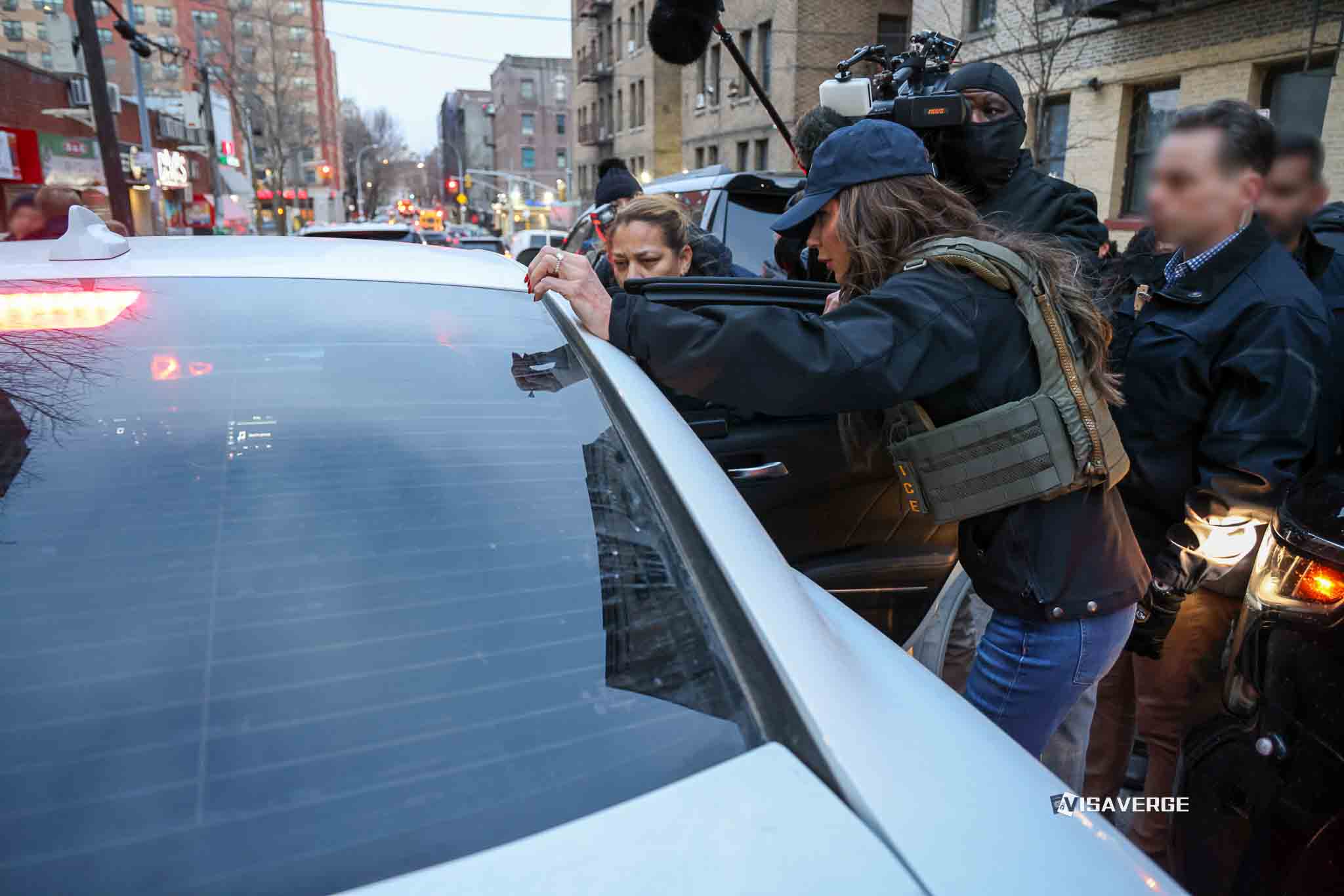
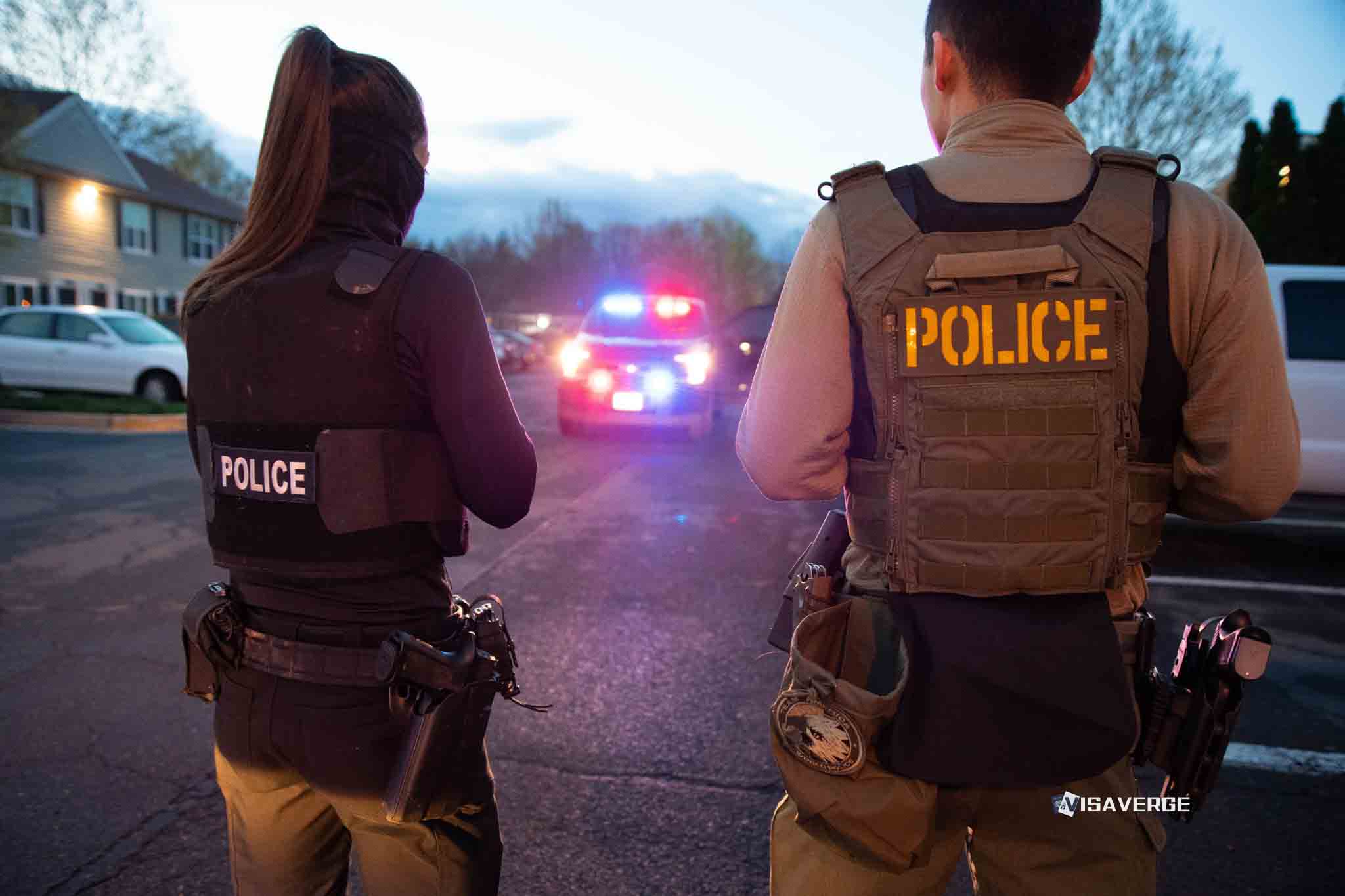
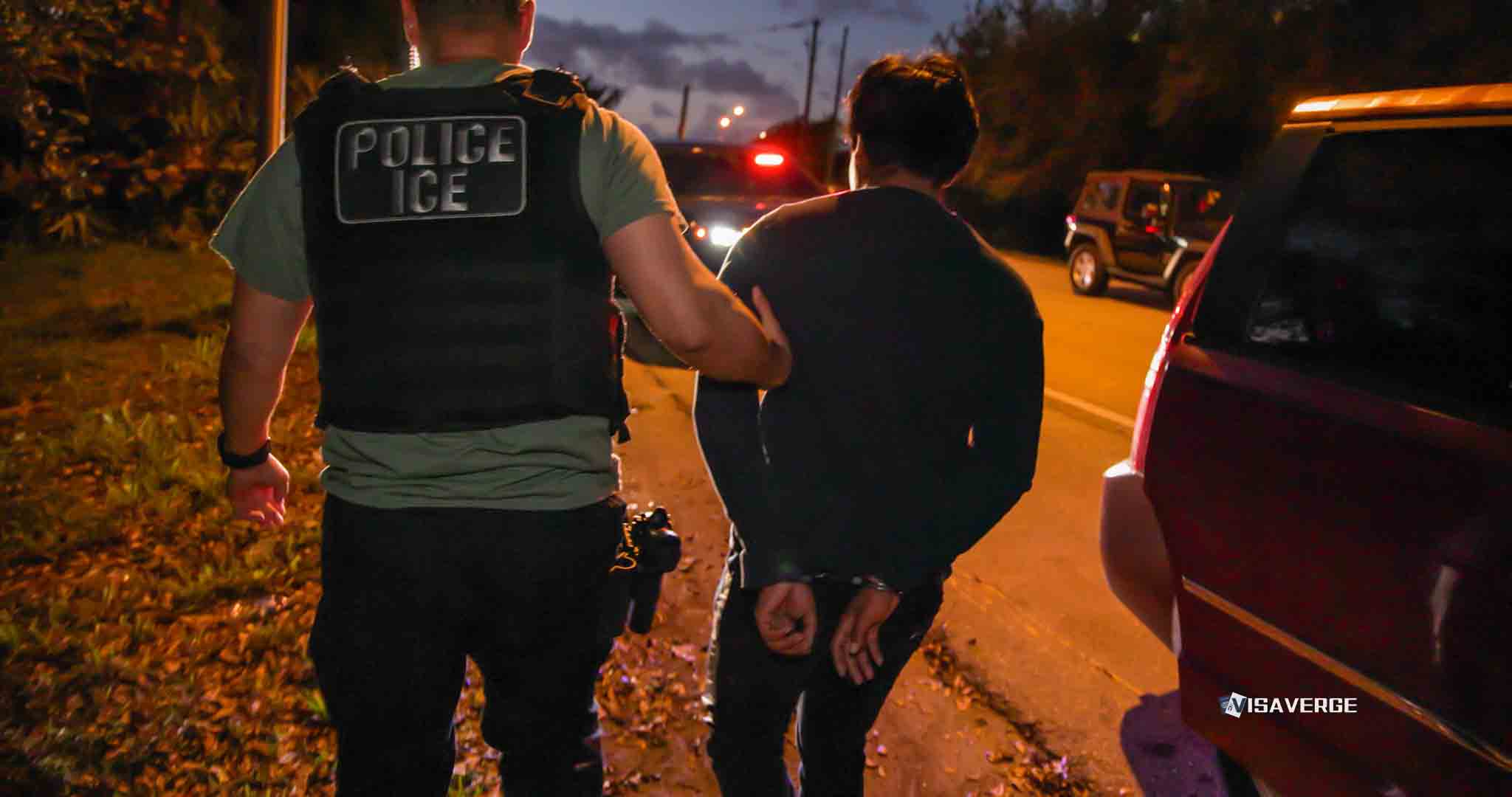
ProPublica published an investigation on October 6, 2026, documenting 506 cases in which immigration agents detained U.S. citizens during President Donald Trump’s current administration. The incidents stretch from January 2025 through September 2026, and the database describes the total as an undercount.
The cases include children and teenagers. The investigation identified at least 70 young Americans, and about 20 were handcuffed or restrained with zip ties.
Free toolUSCIS Receipt Number Decoder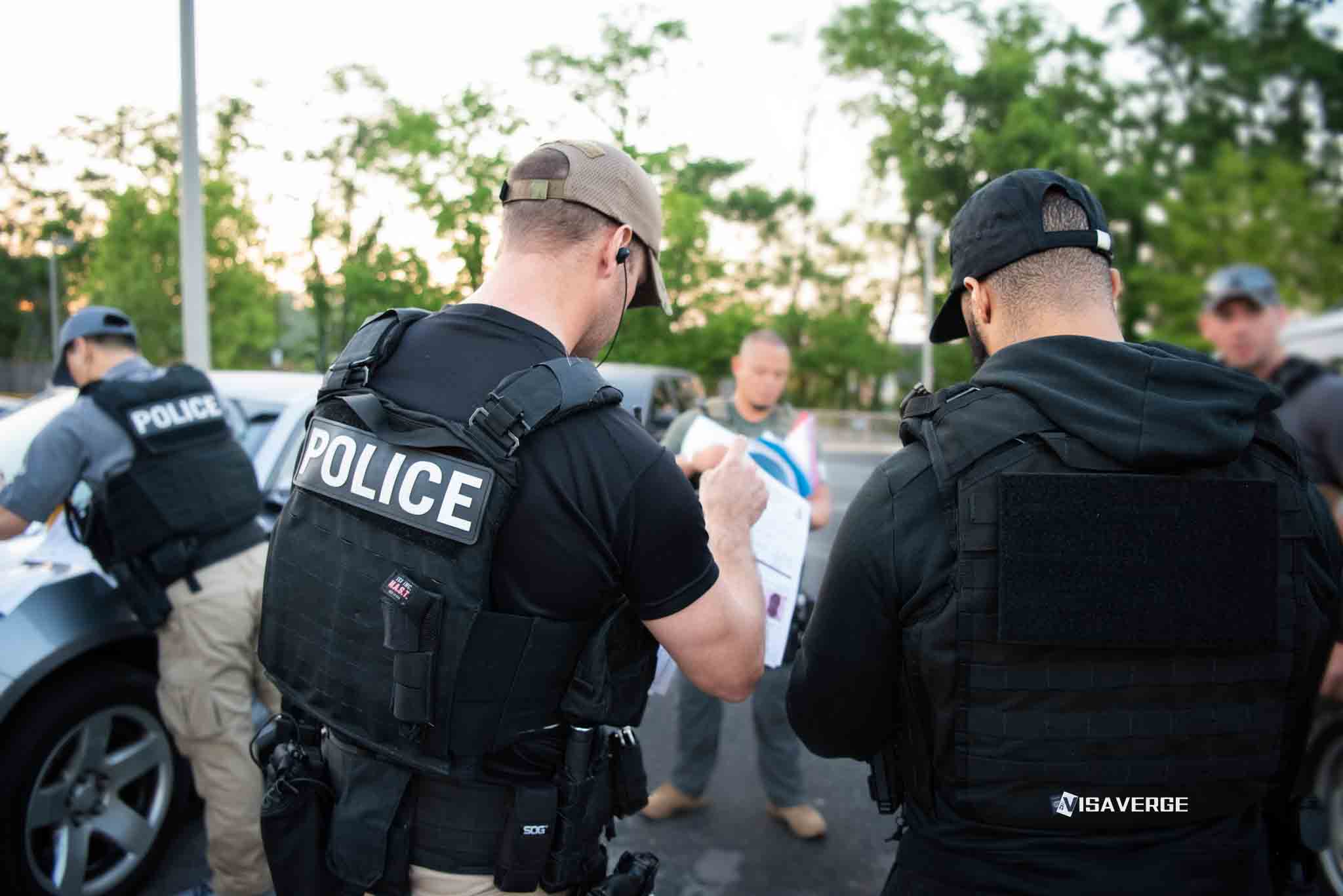
More than 100 citizens were detained after agents challenged their citizenship. Nearly all people in that group were people of color, according to the investigation.
The findings come as federal officials have pursued separate denaturalization actions against naturalized Americans. The Justice Department announced complaints against 40 people this week, a civil court process distinct from immigration agents’ detention of citizens.
The count includes people held briefly and those restrained
The ProPublica database counts a detention when immigration officers stop someone from leaving against that person’s will. The person need not be formally arrested or handcuffed. Being held at gunpoint or otherwise kept at the scene also qualifies.
The project excludes arrests made under judicial warrants, as well as encounters at borders and airports. Its figures therefore describe a defined set of enforcement incidents, not every encounter between citizens and immigration officers.
Children were among those restrained. About 20 of the 70 or more children and teenagers in the database were handcuffed or zip-tied.
The citizenship challenges also show who was swept into these encounters. More than 100 people were detained after agents questioned whether they were U.S. citizens; nearly all in that category were people of color.
Recording enforcement and seeking counsel preceded some detentions
At least 63 citizens were detained while filming immigration enforcement. In another 36 cases, people could not reach a lawyer or relative for at least a day.
The Department of Homeland Security said in September that protections were in place to prevent citizens from being detained. The investigation nevertheless documented hundreds of cases across the period it reviewed.
The material also describes pressure on ICE agents to make arrests, but a claimed May 2025 minimum of 3,000 arrests a day was not substantiated by authoritative sources. The precise issuer, formal status and enforcement mechanism for that claimed quota were not established.
More than 300 cases involved allegations of assault or obstruction
More than 300 citizens were detained in incidents involving alleged assault or obstruction. Fewer than half faced federal charges. A separate tally put the number charged at 137.
Roughly a dozen U.S. citizens were deported, most of them reportedly children. That figure sits within a database that covers a wider range of encounters, including people held at a scene without a formal arrest.
The project’s definition captures that range. It counts the loss of freedom to leave, rather than limiting the tally to cases that ended in a criminal charge or a recorded arrest.
The Justice Department also filed cases against 40 naturalized citizens
Attorney General Todd Blanche’s Justice Department announced the cases on October 5, 2026. The complaints, filed in multiple federal district courts between August 21 and October 2, 2026, target 40 naturalized citizens. The department described the filings as the largest single-period denaturalization action under the Trump administration.
The Justice Department alleges offenses ranging from acting as an agent of a foreign government to voluntary manslaughter, aggravated sodomy and sexual abuse of a minor. Other allegations include money-laundering conspiracy and immigration fraud.
Blanche described the broader campaign as the “largest denaturalization effort in modern history.” The department’s announcement followed the filing of the complaints; it did not itself decide the cases.
Citizenship can be revoked only through a civil court case
Denaturalization is a civil federal-court process, not an administrative cancellation that takes effect automatically. Under the Immigration and Nationality Act, the government must prove that citizenship was illegally procured or obtained through concealment of an important fact or willful misrepresentation.
The complaints remain at the allegation stage. Filing them did not establish that any defendant was liable, and it did not revoke anyone’s citizenship.