- A zebra strike during takeoff led to an emergency landing at Kilimanjaro International Airport.
- All 30 people escaped safely; the aircraft was substantially damaged and the zebra died.
- Investigators are examining the strike and landing-gear failure; airport operations resumed around four thirty p.m.
A Sindbard Air turboprop carrying 30 people struck a zebra during takeoff from Tanzania’s Serengeti National Park and made an emergency landing at Kilimanjaro International Airport on October 4, 2026. All 26 passengers and four crew members escaped without reported injuries.
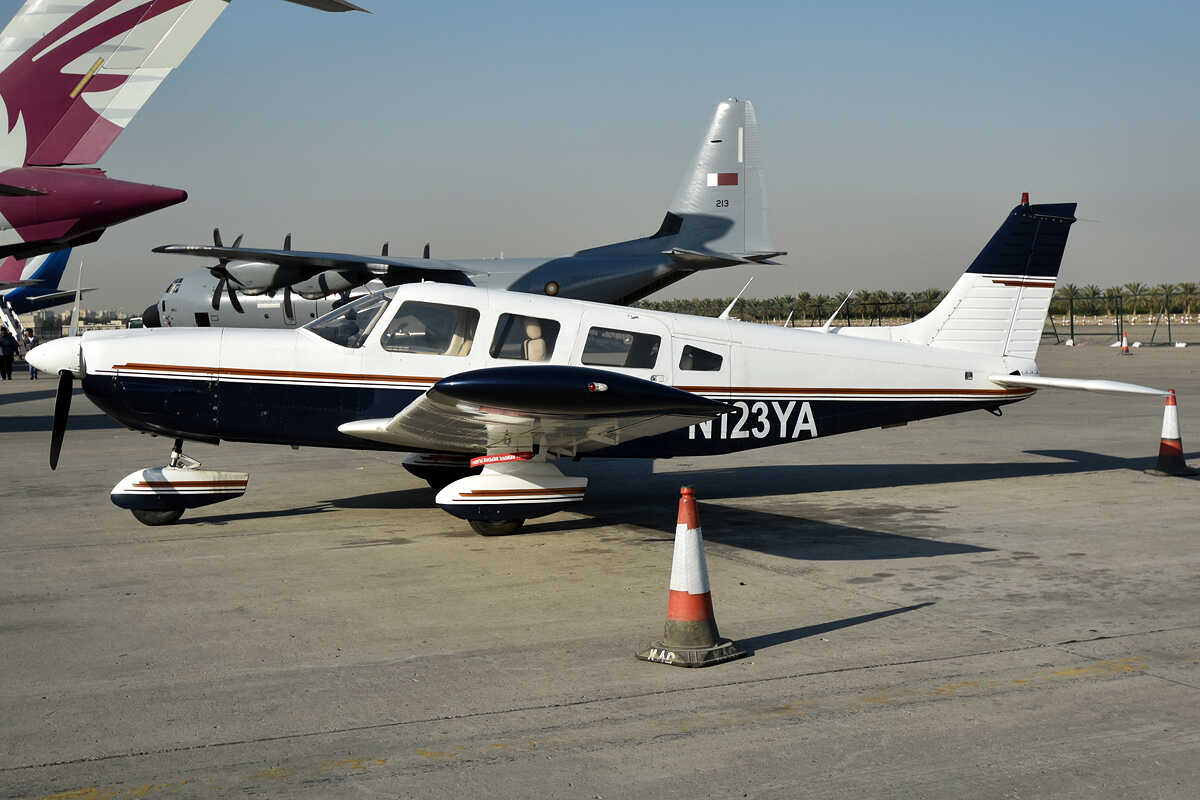
The Embraer EMB-120 Brasilia, registration 5H-HLL, was departing Seronera Airstrip for Zanzibar. The animal died in the collision, and the aircraft sustained substantial damage.
The pilots diverted east after the strike. They reached the airport with the main landing gear unable to extend, then brought the plane down on its underside.
The plane reached the airport with its main gear still retracted
The aircraft’s landing gear was reportedly damaged during the takeoff roll. The pilots flew about 270 kilometers east to the airport, where emergency crews had been placed on standby.
The crew landed on Runway 09 with the main gear retracted. The plane scraped along the runway, with smoke and debris visible as it slid to a stop.
Video from the runway showed the underside scraping the pavement. The aircraft stopped, and passengers and crew evacuated safely.
Reports describe the diversion as roughly 270 kilometers east of Seronera. Another account puts the airport about 430 kilometres from the airstrip, a difference reflecting how the distance was measured.
The aircraft was bound for Zanzibar when the strike interrupted the flight. It did not continue to its destination.
All 30 people escaped as the aircraft slid to a stop
No one aboard was reported injured. The plane, however, suffered substantial damage, and the animal was killed.
The landing halted airport operations while crews secured and removed the aircraft. The closure lasted about five hours.
Flights resumed at approximately 4:30 p.m. local time, also reported as 16:30. The disabled plane had occupied the runway until it could be cleared.
The sequence left investigators with two linked questions: what the strike damaged and why the main landing gear did not deploy. Reports have described a connection, but the official investigation is examining the events.
Investigators are examining the strike and the landing-gear failure
The Tanzania Airports Authority referred to the animal as an “ungulate,” a general term for a hoofed mammal. Its statement said the aircraft was:
“forced to make an emergency landing in Kilimanjaro, after hitting an ungulate in Serengeti.”
Local accounts identified the animal as a zebra. The authority’s wording confirmed a wildlife strike, but did not establish that it caused the landing-gear failure.
The Tanzania Civil Aviation Accident Investigation Branch opened an inquiry into the strike, the gear malfunction and the landing. Reports put the collision at approximately 11:30 a.m. local time.
The reported sequence is that the animal struck the plane during its takeoff roll and damaged the landing gear. Investigators have not officially established that the collision caused the failure, so that connection remains unresolved.
The aircraft reached the airport with its main gear retracted, then slid along the runway before coming to a stop. Those events form part of the inquiry, along with the initial wildlife strike.
Aircraft records name a different registered operator and owner
News accounts identify Sindbard Air as the plane’s operator. Tanzania’s civil aircraft register reportedly lists Angelic Handlers Company Limited as the operator and the Ministry of Interior of South Sudan as the owner.
The accounts therefore describe a difference between the airline name used in coverage and the operator listed in the register. The records also identify a South Sudanese government ministry as the aircraft’s owner.
The flight departed Seronera Airstrip inside Serengeti National Park and was heading to Zanzibar when the collision occurred. The landing diverted the route to the airport, where operations resumed later that afternoon.
The civil aviation investigation is focused on the wildlife strike, landing-gear malfunction and gear-up landing. Its findings will determine whether the collision caused the mechanical failure.