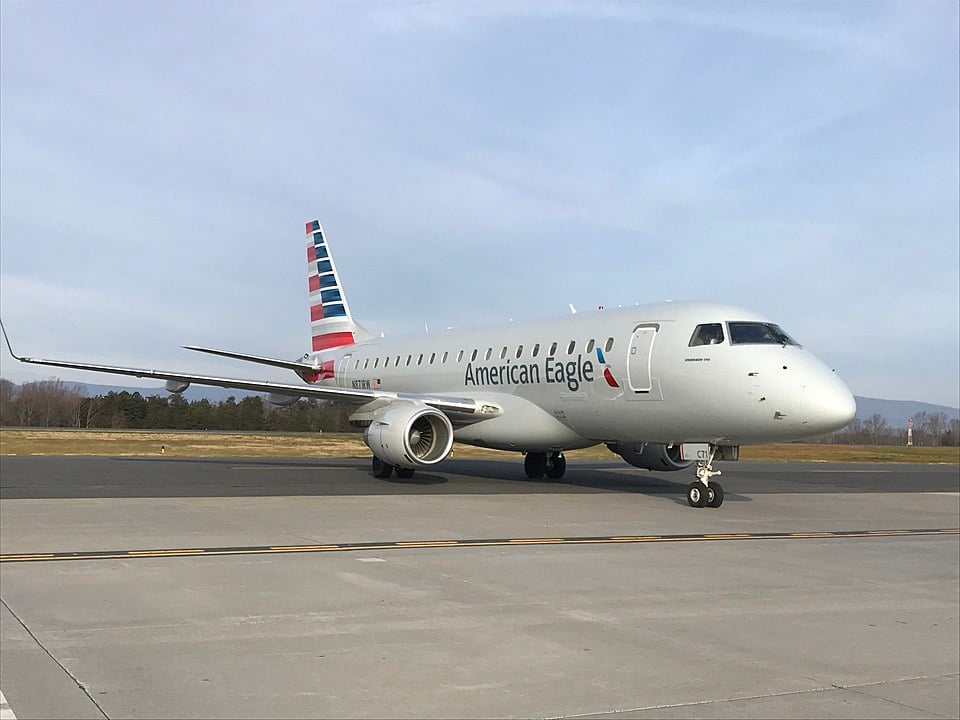
American Airlines Flight 1760 returned safely to Myrtle Beach International Airport on Monday, Aug. 10 after a bird strike during takeoff, and the Federal Aviation Administration said it will investigate the incident. American Airlines said the Boeing 737-800 was taken out of service for inspection, while passengers reported seeing flames and sparks from the left engine during the return.
- American Airlines said, “The aircraft landed safely and has been taken out of service to be inspected by our maintenance team,” and added there was “no indication of a fire in the plane’s engine” and “no reported injuries.”
- The flight was carrying 172 customers and was headed to Charlotte Douglas International Airport when the crew reported striking birds during departure; the aircraft returned to Myrtle Beach at about 8:40 a.m. local time.
- User-reported accounts said the crew reported possible smoke from an engine at 8:15 a.m., other pilots observed birds entering the left engine, and mechanics began inspecting the aircraft before it could return to service.
- Recovered bird remains were sent to the Smithsonian Institution for species identification, and the incident adds to a national aviation-safety issue that saw more than 24,000 wildlife strikes reported in the United States in 2025.
- American Airlines Flight 1760 made an emergency landing at Myrtle Beach after striking birds during takeoff.
- The Boeing 737-800 landed safely with 181 people on board following reports of engine flames.
- The FAA launched an investigation after ground crews recovered significant bird debris from the runway.
An American Airlines Boeing 737 struck birds during takeoff from Myrtle Beach International Airport in South Carolina on August 10, 2026, sending flames and sparks from its left engine. Flight 1760 returned safely with 181 people aboard.
The flight was headed to Charlotte. The crew declared an emergency shortly after departure.
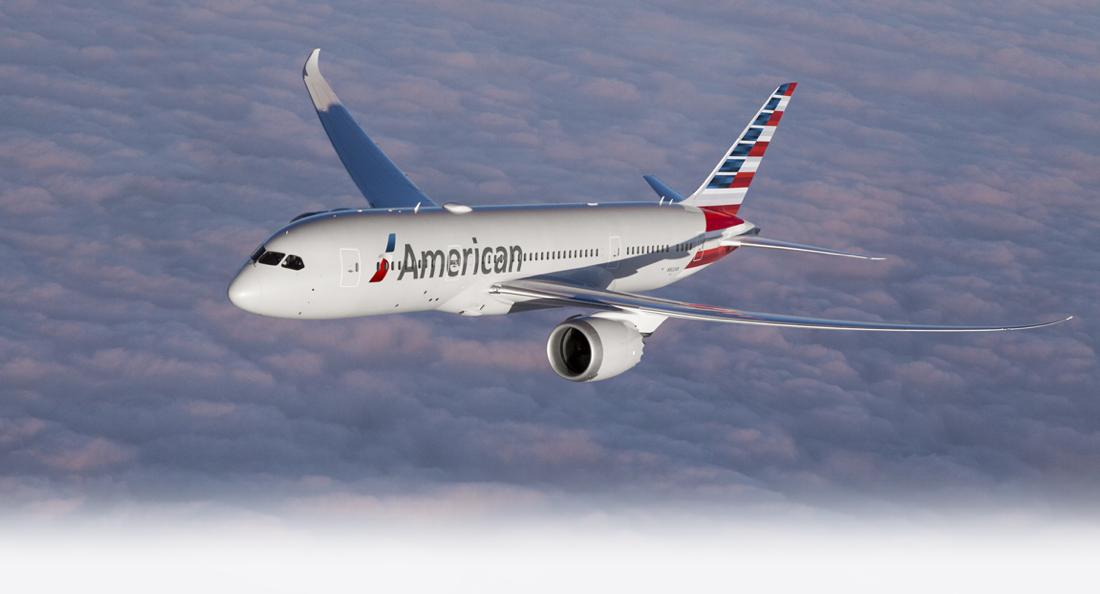
The incident occurred at approximately 8:15 AM EDT. The aircraft landed back at the airport at 8:40 AM, and officials reported zero injuries.
The pilot told air traffic control, “Mayday, mayday, mayday. We have an engine issue here.” Another pilot nearby told controllers, “I observed that he struck birds, it appeared to be, at least in the left-side engine.”
Thomas Bell, an Horry County spokesperson representing the airport, said emergency units moved into position after the crew reported possible smoke.
“The crew of an outbound commercial air carrier reported possible smoke from an engine shortly after departure. The flight returned to MYR as a precaution and emergency response units were dispatched to their designated staging areas.”
Myrtle Beach International Airport said passengers left the aircraft normally at the gate. No injuries were reported.
The airline removed the aircraft from service for inspection and worked to get the passengers to Charlotte. Its statement said the jet landed safely and maintenance crews would examine it.
“The aircraft landed safely and has been removed from service for inspection by our maintenance team,” the airline said. “Our team is working diligently to ensure customers are on their way to Charlotte as quickly as possible.”
The Federal Aviation Administration said it will investigate the strike. Ground personnel later found a large amount of bird material on the runway.
Flight 1760 carried 172 passengers and 9 crew members
The affected aircraft was a Boeing 737-800 flying from Myrtle Beach to Charlotte. The flight returned to its departure airport shortly after the engine problem emerged.
| Flight detail | Information |
|---|---|
| Flight | 1760 |
| Route | Myrtle Beach (MYR) to Charlotte (CLT) |
| Aircraft | Boeing 737-800 |
| People aboard | 172 passengers and 9 crew members, 181 total |
| Approximate incident time | 8:15 AM EDT |
| Emergency landing | 8:40 AM at MYR |
| Reported injuries | Zero |
A ground operations worker described the material recovered from the runway as bird debris.
“We’ve got a lot of bird debris out here. We’re going to grab as many big pieces as we can.”
The visible flames may have resulted from a compressor stall, according to FAA technical guidance. A bird entering an engine can disrupt airflow inside the system, forcing burning fuel toward the front or rear of the turbine.
That disruption can create loud thuds and orange flashes. It can also produce the type of engine fire seen by people near the aircraft.
Passengers reported rattling, popping and repeated fire bursts
John Richter said he heard “significant rattling” and saw fire from the left engine immediately after the climb began. Amy Brown Metz, seated directly over the wing, said the aircraft’s “shuddering” was severe enough to be felt throughout the cabin.
Lindsey Mackey watched from a nearby beach. She described “loud popping noises” and “orange flashes” near the wing.
Patrick Gotwalt recorded footage showing rhythmic bursts of fire from the engine as the aircraft circled over the water to dump fuel.
The accounts followed the crew’s report of an engine issue and the nearby pilot’s observation that the aircraft had struck birds. The runway debris will help investigators examine what entered the engine.
Bird remains were sent for species identification
The recovered remains, known in aviation as “snarge,” were sent to the Smithsonian Institution's Feather Identification Lab in Washington D.C. The analysis is intended to identify the species involved and support wildlife-management efforts around the airport.
As of August 11, the Boeing 737-800 remained out of service at MYR. Maintenance crews were conducting a full engine tear-down and inspection.
The FAA officially opened its investigation into Flight 1760 on August 11. The agency’s inquiry will proceed alongside the maintenance examination and analysis of the bird remains.
Wildlife strikes caused an estimated $900 million in annual costs
The FAA recorded a record 24,000+ wildlife strikes in the United States in 2025. The incidents include bird impacts that can damage aircraft, delay flights and require inspections.
Bird strikes cost the aviation industry an estimated $900 million annually through repairs and delays. The Myrtle Beach aircraft required inspection even though officials reported no injuries.
A similar engine-fire incident involved Flight AA1958 on April 23, 2023, in Columbus, Ohio. That Boeing 737 struck a flock of geese, and flames shot from its engine before the aircraft returned safely with all 173 people aboard.
The Columbus Regional Airport Authority issued statements about that flight. John McClelland, its chief communications officer, confirmed the safe return of everyone aboard.
The Myrtle Beach aircraft remained at the airport on August 11 while its engine underwent inspection. Investigators were also examining the recovered remains to determine which bird species was involved.