- Medical examiners ruled the death a homicide after a 55-year-old Cuban detainee died from asphyxia during physical restraint.
- The January 2026 incident contradicts official government accounts that initially described the death as medical distress or suicide.
- Local leaders are demanding a grand jury investigation following three deaths in twelve days at the Camp East Montana facility.
(EL PASO, TEXAS) — El Paso County’s medical examiner ruled the death of Geraldo Lunas Campos a homicide, finding that the 55-year-old Cuban detainee died from asphyxia caused by neck and torso compression while guards physically restrained him at Camp East Montana on January 3, 2026.
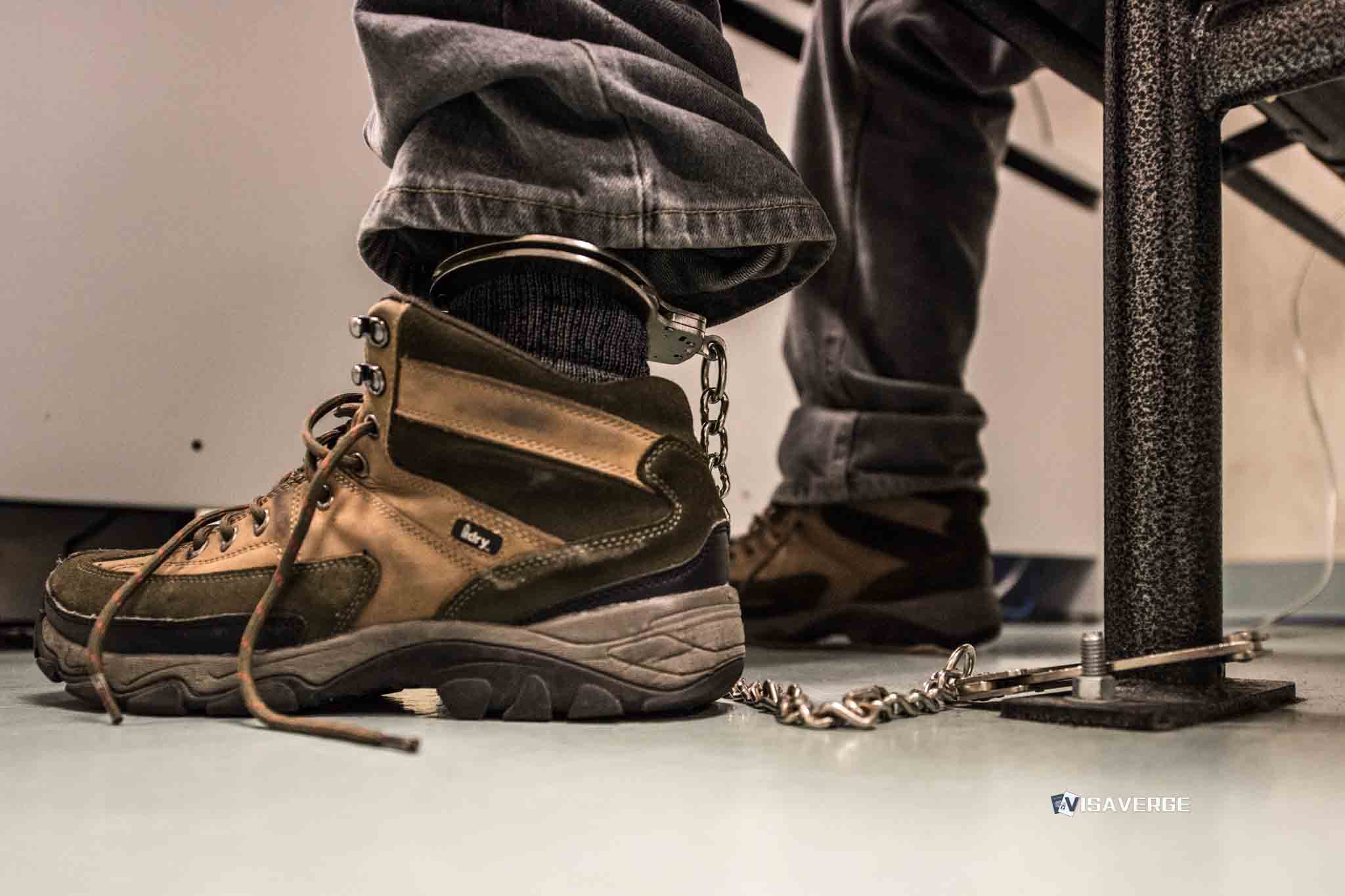
The ruling intensified scrutiny of the federal immigration detention center after months of shifting government accounts, detainee testimony, and newly surfaced evidence from 911 calls and photographs. Campos was pronounced dead at 10:16 p.m. that night after what authorities first described as “medical distress” and later cast as an attempted suicide during a struggle with staff.
Deputy Medical Examiner Adam Gonzalez classified the death in February as homicide, according to the autopsy findings. The determination marked the first homicide ruling tied to an ICE detainee death linked to staff use of force in at least 15 years.
Campos had been detained since July 2025 after an immigration enforcement action in New York. He was being held under INA § 236, pending removal, and records described a medical and psychiatric history that included tuberculosis, depression, anxiety, asthma, prior suicide attempts, and psychotropic medication use.
Camp East Montana, a tent facility on the Fort Bliss U.S. Army base, opened in 2025 during a detention surge and has been described as the nation’s largest immigrant lockup. By mid-January, three people had died there in 12 days, including Campos, who was the second detainee to die on the same day.
Francisco Gaspar-Andres, 48, died earlier on January 3 from complications of liver disease, which authorities classified as natural causes. Victor Manuel Diaz, 36, from Nicaragua, died on January 14 after staff found him unresponsive; his death was treated as a presumed suicide, and his body went to a U.S. Army hospital rather than the local medical examiner.
ICE first addressed the Campos case on January 9, 2026, saying he died from “medical distress” in segregation after becoming disruptive in a medication line and that staff had provided lifesaving measures. That account changed on January 15-16, 2026, when Assistant Secretary Tricia McLaughlin said Campos had attempted suicide, “violently resisted” staff intervention, lost consciousness during the struggle, and died.
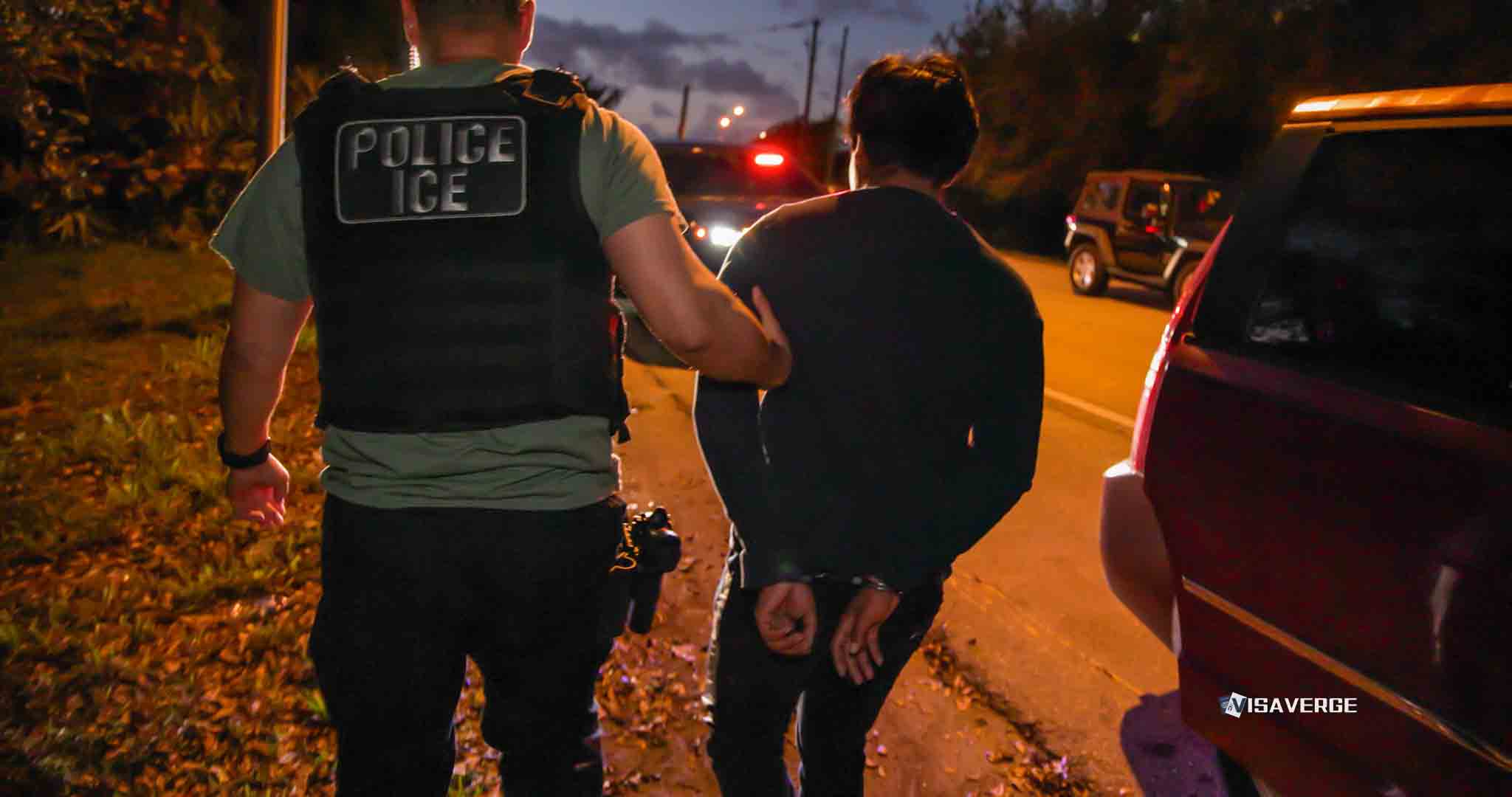
Evidence gathered later in the year cut against a death caused solely by a self-inflicted act. Photos and 911 audio obtained in March and April showed Campos in handcuffs during the incident, and a guard lieutenant told dispatchers, “He tried to hang himself and then we put him in cuffs and he kept going.”
Detainee accounts described a more violent sequence. Six detainees in El Paso said Campos had begged guards for asthma medication for days and that staff denied the requests while threatening him with isolation.
On January 3, those witnesses said, guards shackled him and dragged him toward segregation. They described hearing body slams, gasps for air, and Campos saying, “I can’t breathe,” before the area fell silent. One witness alleged that staff put him in a chokehold while he was handcuffed.
The autopsy finding gave those accounts added weight. Gonzalez concluded Campos died from compression of the neck and torso while law enforcement physically restrained him, a determination that undercut the later government narrative that he had continued a suicide attempt despite intervention.
DHS kept the case open and said more details would follow. McLaughlin said Campos “continued to take his life” despite staff intervention, while officials maintained that he resisted during the encounter.
Internal records from early 2026 added more detail about Campos’ final days in custody. They acknowledged repeated pleas for asthma medication, multiple self-harm episodes, and suicide watches before the fatal incident.
Those records also described threats of solitary confinement and a final confrontation in which Campos was shackled and taken to isolation. Detainee accounts placed the loss of consciousness after the restraint began, not before.
The dispute over what happened in those minutes has carried legal consequences beyond the autopsy. A federal judge blocked the deportation of Campos and another detainee identified as a witness, preserving testimony in the case as outside pressure on the facility increased.
El Paso leaders, including city council members, called for a federal grand jury investigation into all three January deaths at Camp East Montana. Their demand followed the cluster of deaths, the homicide ruling in Campos’ case, and growing concern about medical care, staffing, and force practices inside the facility.
Conditions at the detention center have drawn sharper attention because of the speed of its expansion. The site houses thousands of detainees in a tent-style complex, a setup that advocates and local officials say can produce observation lapses, delays in care, and scattered witness accounts as detainees are transferred.
Campos’ death has also raised questions about evidence preservation in custody investigations. Video, radio traffic, use-of-force reports, medical logs, segregation checks, and transport records can shape both criminal and civil inquiries, and the case has heightened concern that some material can be overwritten within weeks if officials do not preserve it quickly.
That risk has mattered to Campos’ family as well as to detainees who say they saw part of the incident. Public accounts of the death evolved from vague medical distress to a suicide explanation and then to a homicide ruling by the county medical examiner, with each stage bringing new records and contradictions into view.
The homicide designation does not close the case. Toxicology and additional records remained part of the broader investigation, while the local autopsy finding placed the conduct of staff at the center of any further inquiry.
Campos had lived in the United States for nearly 20 years and was the father of three. His death has become a test case for how Camp East Montana documents force, responds to detainees in medical crisis, and accounts for deaths in custody when official narratives change.
By May 2026, the known outline had hardened around a few points: Geraldo Lunas Campos entered the encounter alive, guards restrained him, and El Paso County’s medical examiner ruled that restraint killed him. Inside a facility already marked by three deaths in one month, that finding placed a homicide at the center of the scrutiny.