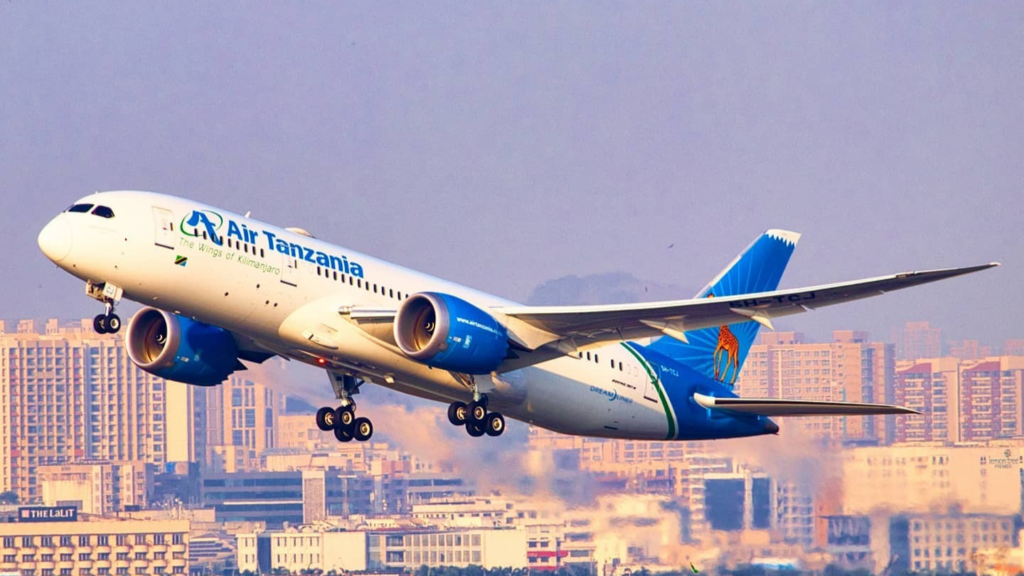
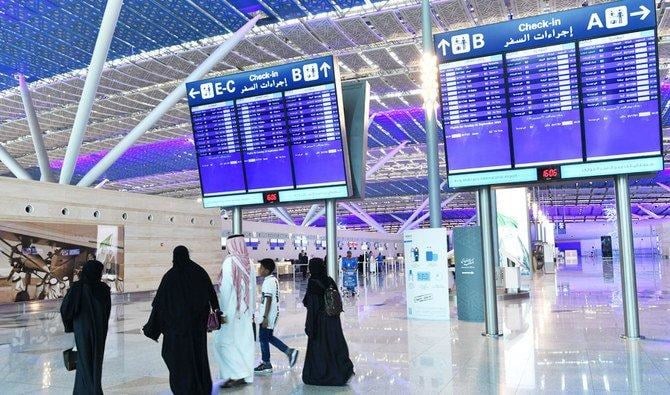
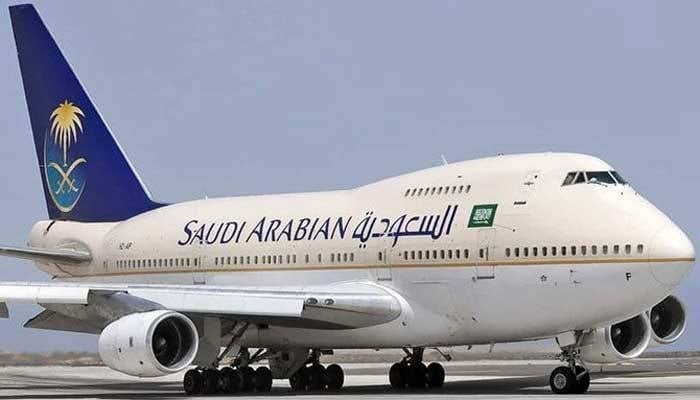
- Saudi aviation authorities now mandate airline document verification for all passengers before they board any flight.
- Airlines must review the entire itinerary including departure, final destination, and all intermediate transit points.
- Stiff penalties including fines up to 100,000 riyals apply for document tampering or unauthorized travel.
Saudi Arabia’s General Authority of Civil Aviation ordered all airlines operating at Saudi airports to check passengers’ entry, exit and transit documents before boarding. The directive was published on August 16, 2026, and was enforced immediately as of August 17, 2026.
The requirement applies to commercial carriers and private airlines throughout the Kingdom. A ticket alone will not guarantee travel if the passenger lacks paperwork required for the journey.
Free toolSchengen Short-Stay Visa Calculator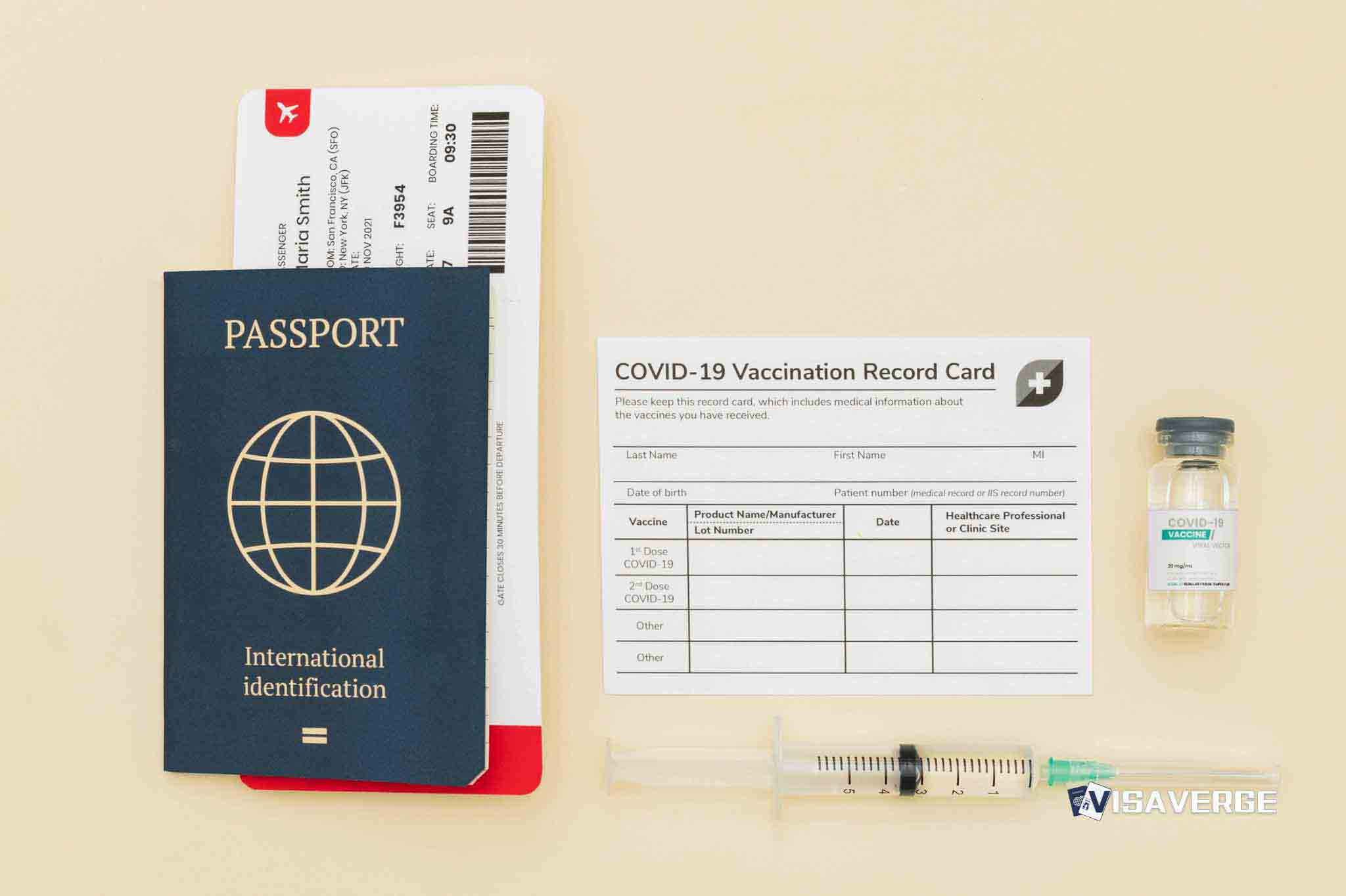
Airlines must review the entire itinerary. That includes the country of departure, the final destination and every transit point.
The circular directs carriers to consult official channels for the latest travel requirements and take “the necessary precautions” before boarding. The final check occurs at the boarding gate, before departure.
“All air carriers and private airlines operating at Saudi airports must ensure that passengers possess the necessary documents required to enter or depart from Saudi Arabia and reach their final destination or transit airports.”
The instruction puts the carrier in charge of stopping a passenger whose documents do not satisfy an entry, exit or transit rule. It also requires airlines to use current government information rather than outdated databases.
Airlines must check every leg before letting passengers board
A traveler can therefore be denied boarding even with a confirmed reservation. Incomplete or invalid documents may be rejected at the gate.
The check covers more than the immediate destination. A passenger connecting through a third country must meet that country’s transit requirements as well as the rules for the final destination.
Carriers bear the legal and financial responsibility for confirming that passengers meet the “latest requirements” across the complete itinerary. Questions that arise during multi-stage verification may need resolution before the flight closes.
Passengers should allow extra time at the airport. The rule applies across the airport network and does not limit verification to a particular nationality, route or carrier category.
The directive also affects expatriate workers traveling through major South Asian labor corridors, including Pakistan, India and Bangladesh. Document irregularities in those markets have historically caused transit delays.
A separate passenger issue involves restricted travel and document offenses. Interior Minister Prince Abdulaziz bin Saud bin Naif approved updated executive regulations earlier in 2026 that authorize fines and travel bans in specified cases.
The cited penalties include:
- SR30,000 ($8,000) and a 2-year travel ban for citizens traveling to prohibited or restricted destinations.
- SR100,000 ($26,600) and a 5-year travel ban for tampering with or misusing travel documents.
- SR5,000 ($1,330) for providing false information when applying for travel documents.
Those penalties address conduct and document offenses. The airline circular separately requires carriers to stop passengers who lack the papers required for their itinerary.
A fake visa case adds pressure for tighter checks
Saudi authorities intercepted an attempt to use a fake Netherlands visit visa on August 14, 2026. The visa had been attached to page 18 of a passport.
The case illustrates the type of document problem that can surface at an airport. Manual checks remain part of the response, even as the Kingdom introduces automated systems.
Regional security conditions have also complicated international air travel. U.S. State Department advisories issued in March 2026 cited major flight disruptions linked to “drone and missile targeting” and armed conflict in the region.
The new directive requires airlines to verify requirements through official government channels. That places the operational burden on carriers when rules change or transit conditions shift.
Saudi aviation growth is expanding the number of international connections
The order accompanies Saudi Arabia’s “Vision 2030” aviation expansion. The program targets annual passenger traffic of 330 million and connections to 250+ destinations.
Passenger volume has increased 9.6% year-on-year. Riyadh Air added routes to Mumbai, Dhaka and Lahore in August 2026, adding more international itineraries that may involve transit-document checks.
The General Authority of Civil Aviation is also rolling out a “three-stage self-service” system at major hubs, including King Abdulaziz International Airport, known as JED. Col. Mohammed Rashid Al-Mazroui, Director of Airport Passports, said the system will eventually support biometric boarding.
Manual document verification remains a priority for transit security. Technology will not remove the pre-boarding check.
The International Air Transport Association, led by Director General Willie Walsh, expressed concern on August 17 about the complexity of new passenger-rights regulations in the Middle East. Walsh’s organization warned that holding airlines liable for document gaps could raise operating costs in a way similar to the European Union’s “EU261” regime.
The immediate obligation is clear: carriers must confirm the required documents before allowing passengers to board. Travelers with multi-country itineraries should check entry, exit and transit rules through official channels before arriving at the airport.