- Thailand implements Zero Trust security protocols for all airline staff and flight crews starting July 2026.
- New measures include rigorous K9 inspections and passenger-level screening standards for every airport employee.
- Authorities will utilize advanced biometric systems and unified databases to dismantle transnational drug smuggling networks.
(THAILAND) — Thailand is tightening airport security after a Thai Airways crew member was detained in Australia in an alleged heroin-smuggling case, a move that could affect how strictly crews and airline staff are screened before they fly.
Officials announced the “Zero Trust” overhaul on 3 July 2026, saying the country needs to restore confidence in aviation security and close gaps that smugglers have used before.
Free toolB1/B2 Tourist Visa Stay Calculator online
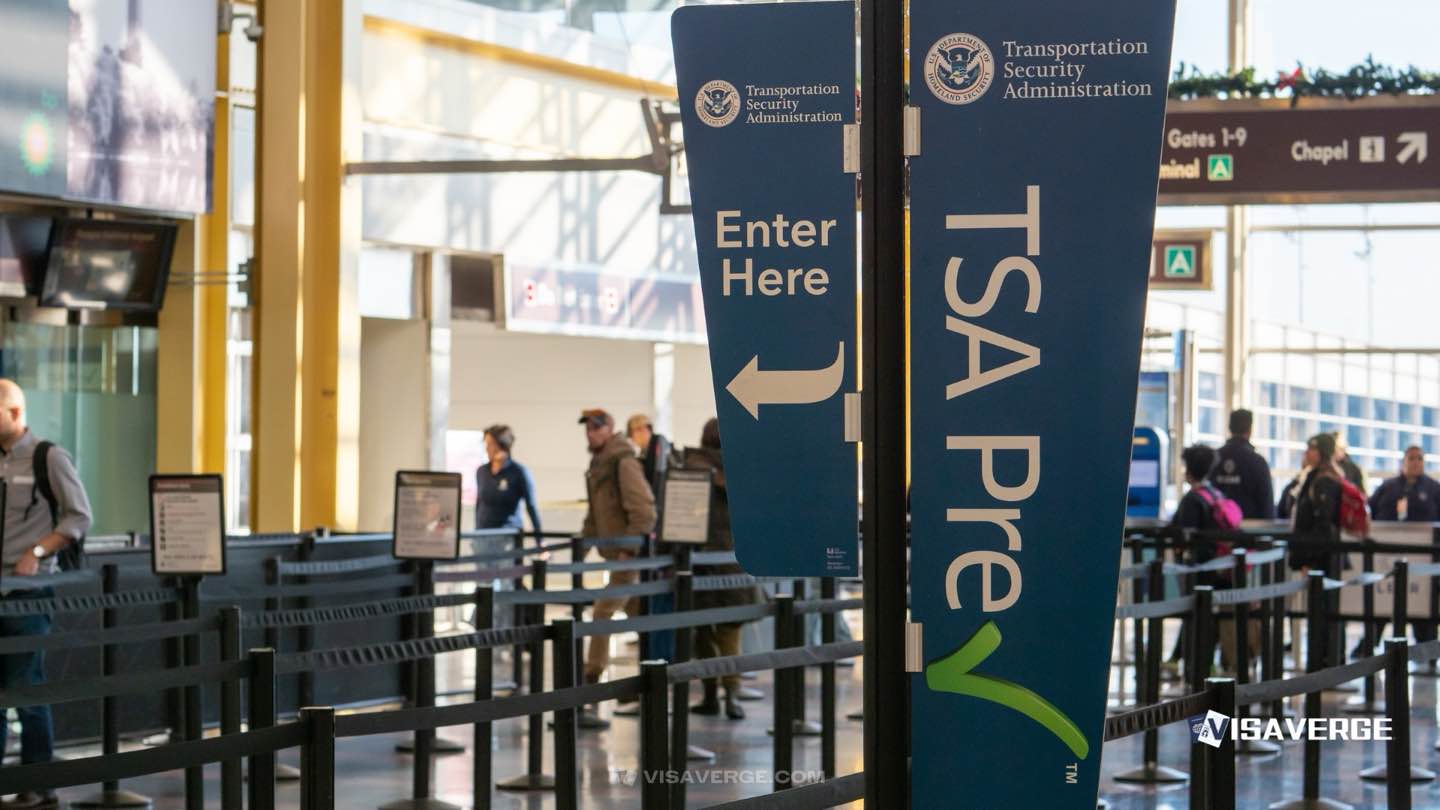
The new policy removes the old distinction between passengers and aviation workers at checkpoints. Flight crews, pilots, airline staff and other personnel will now face the same screening standards as passengers, with no exceptions.
That includes more K9 dog inspections on inbound and outbound flights, plus extra gate screening on higher-risk routes.
Thailand’s Transport Ministry framed the shift as a response to a case that exposed weak points in the system rather than a single bad actor. The goal is to make every stage of airport access harder for drug couriers and the organized networks that support them.
That means tighter scrutiny in terminals, cargo buildings, warehouses and other controlled areas where insider access has long mattered.
Staff vetting is also getting tougher. Authorities said airport workers will face stricter criminal and drug background checks, along with expanded use of linked databases. The plan also calls for broader advance passenger information and biometric systems, which allow officials to compare travel records and identity data before a flight departs or lands.
Thai officials are also changing how agencies talk to one another. The Ministry of Transport, Ministry of Justice, police, Customs and the Office of the Narcotics Control Board are being pushed into a more unified operating model.
Security training is set to expand as well, with staff expected to learn how to spot newer smuggling methods and suspicious travel patterns.
Prime Minister Anutin Charnvirakul said the crew case should be treated as a system-wide warning, not a narrow incident. Deputy Transport Minister Phatraphong Phatprasit said the government wants one framework across agencies so the same gap does not open again.
Officials say the crackdown is also aimed at dismantling transnational smuggling networks that use airports as transit points.
The move puts Thai airports closer to the hard-line screening model seen at major international hubs that treat insider risk as a security threat, not a side issue.
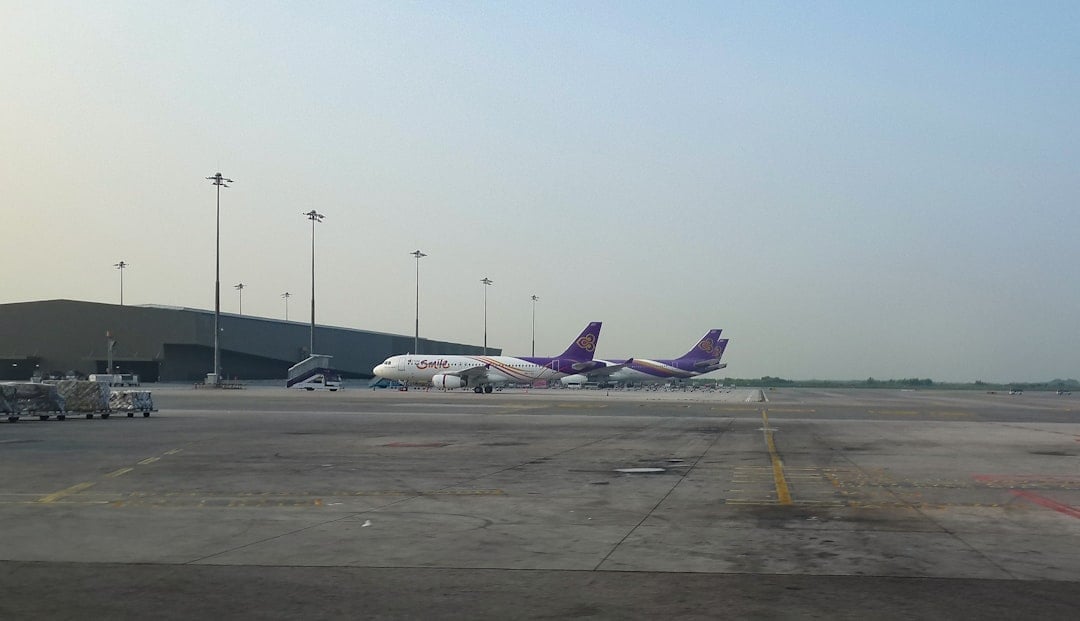
That matters for Thai Airways and other carriers operating long-haul routes, especially on flights where crew turnover, transit traffic and cargo volumes are high. Stricter checks can slow airport processing, but they also reduce the chance that a single breach turns into a diplomatic and reputational problem.
| Measure | What changes |
|---|---|
| Crew screening | Flight crews, pilots and staff face passenger-level checks |
| K9 inspections | More dog checks on inbound and outbound flights |
| Gate controls | Extra screening before boarding on higher-risk routes |
| Background checks | Stricter criminal and drug screening for airport personnel |
| Data sharing | Linked databases, biometric systems and advance passenger information |
There is no direct mileage or loyalty-program change attached to the security overhaul. Thai Airways flyers still earn and redeem miles under the airline’s current program rules, and award bookings are not changing because of the crackdown.
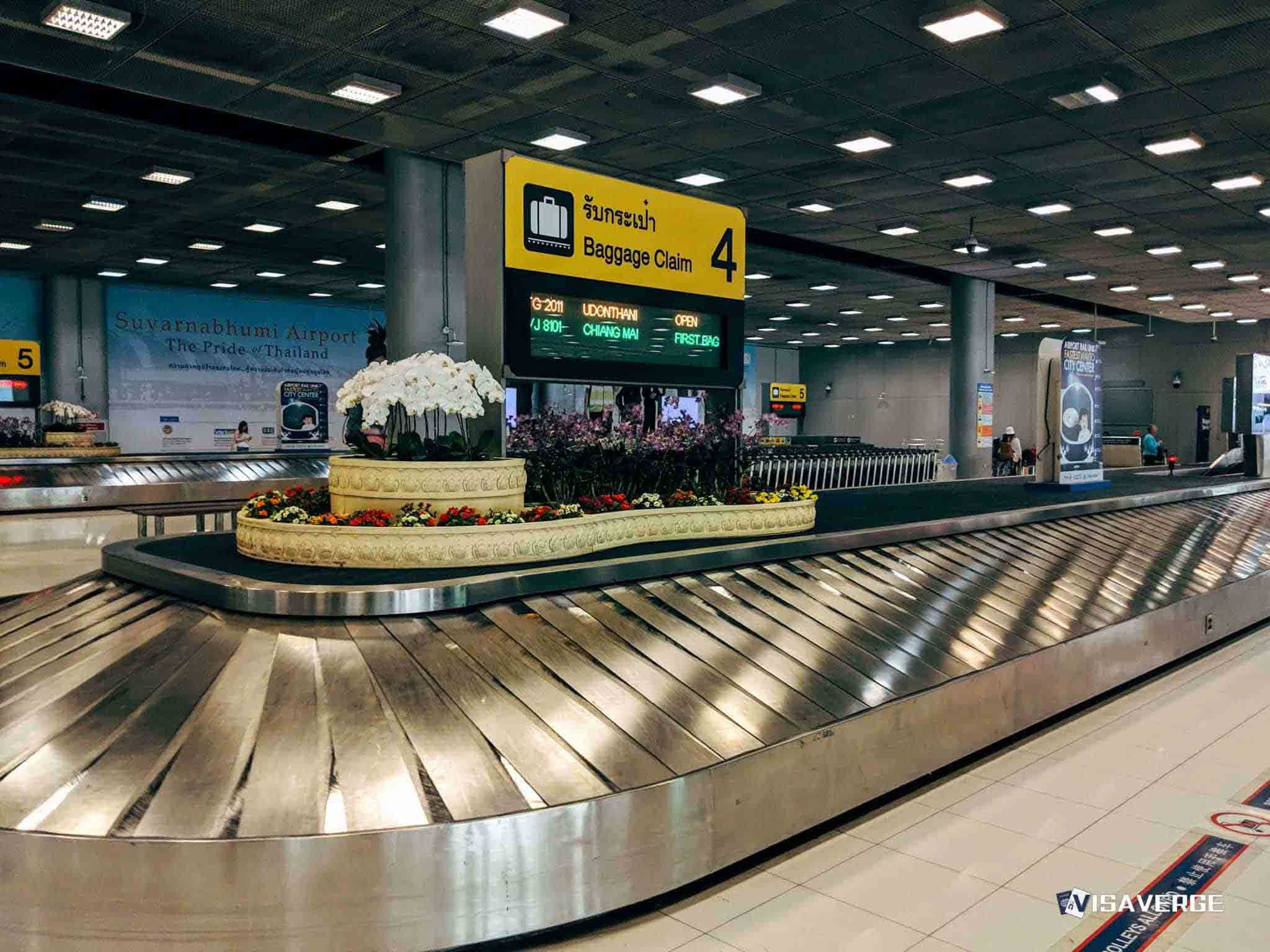
The practical effect is at the airport: more time at screening, especially if your flight falls into a higher-risk category or connects through a busy cargo-heavy hub.
Travelers heading through Thailand in the coming weeks should build in extra time at the airport, especially on early-morning departures and peak connection banks. Flights operated by Thai Airways and other carriers at major Thai airports are likely to face more visible security checks as the new framework rolls out.
July 3, 2026 marks the start of the overhaul, and the new screening regime is the standard passengers should expect from here on out.