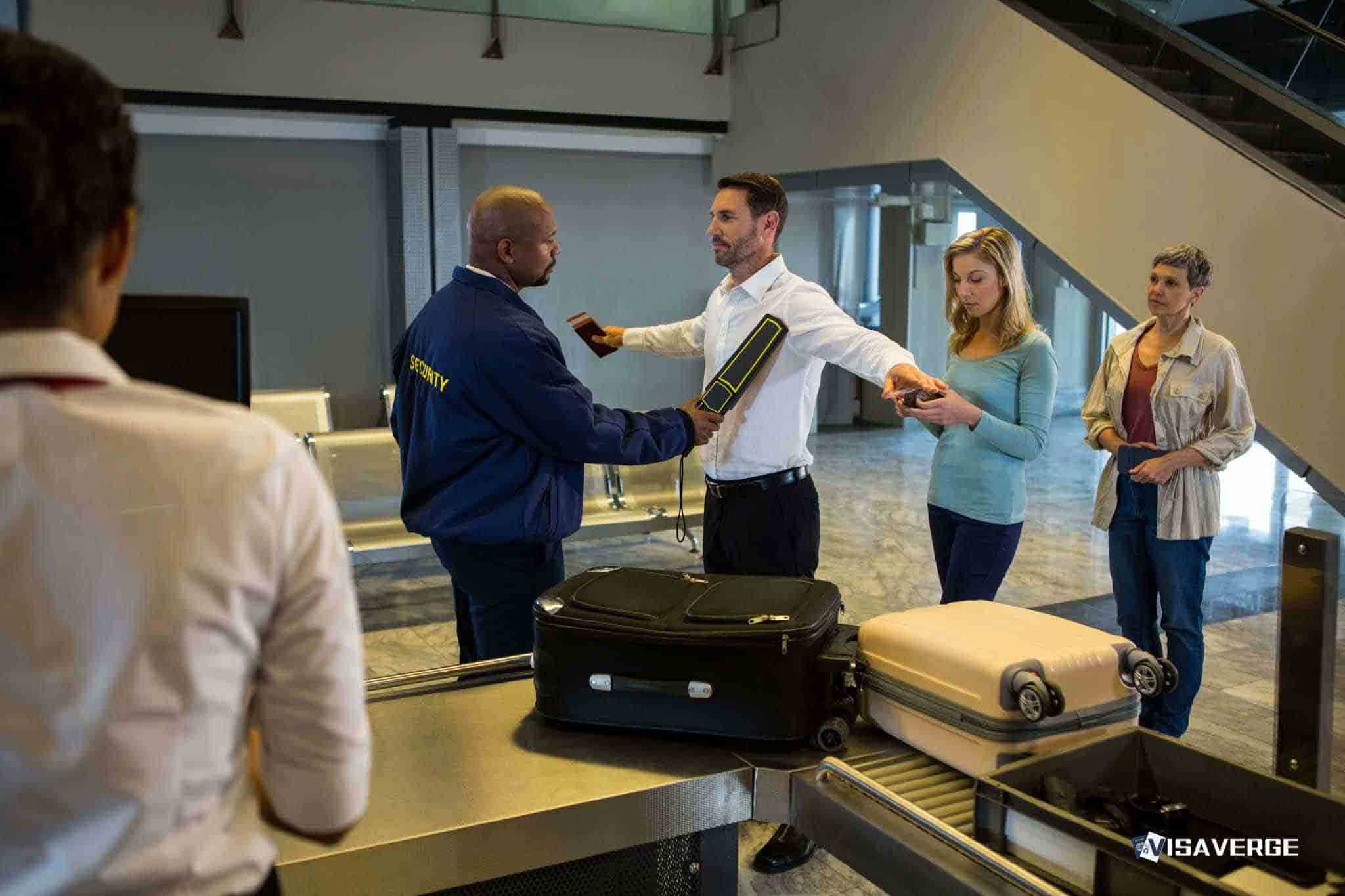
- Singapore’s biometric departure clearance now allows eligible foreign visitors to exit without showing a physical passport.
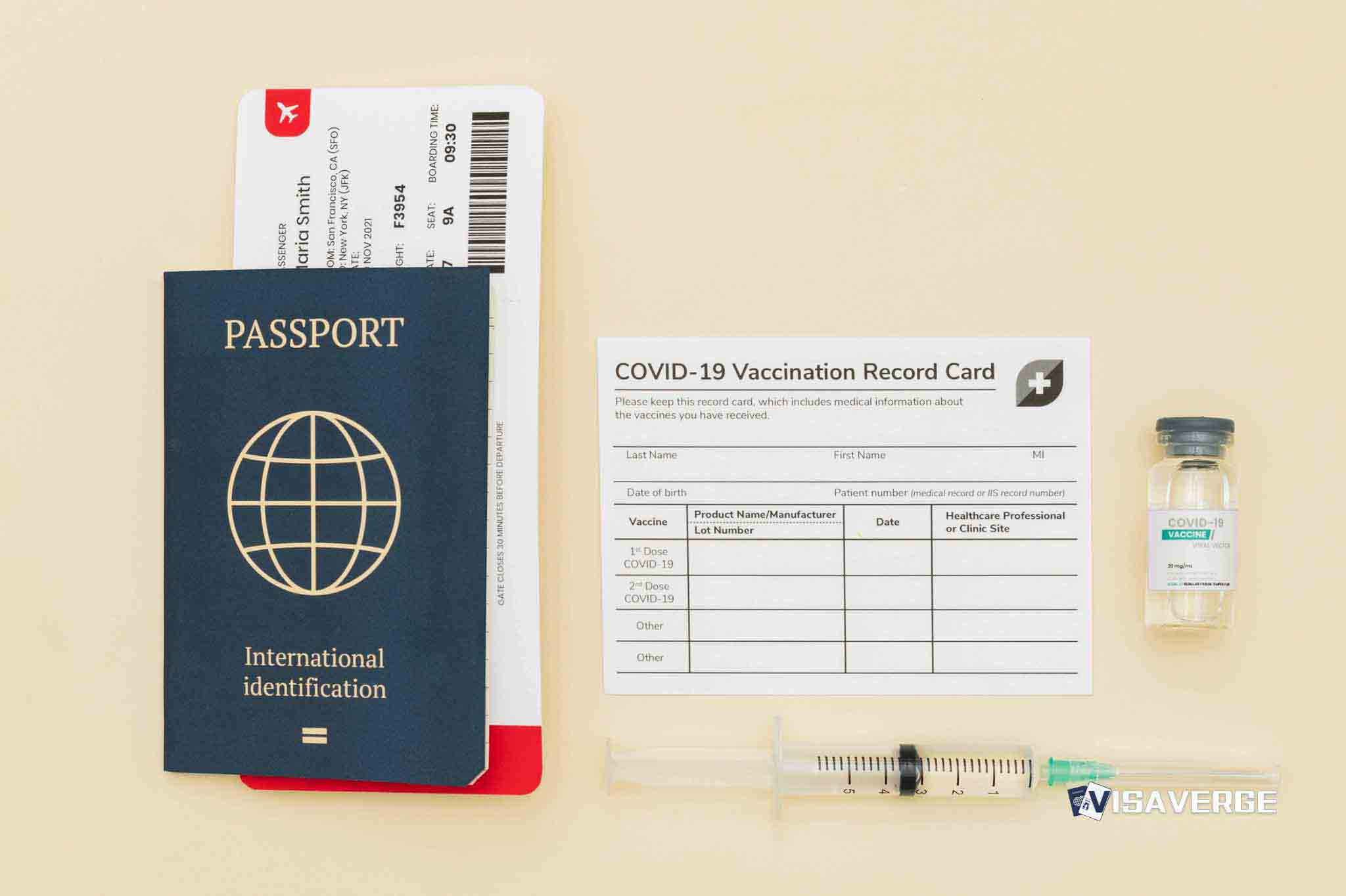
- Travelers must still carry a physical passport for airline checks, destination rules, and specific immigration verifications.
- Automated lanes utilize facial and iris recognition to reduce average processing times from twenty-five to ten seconds.
Singapore’s Immigration & Checkpoints Authority has expanded biometric departure clearance so eligible foreign visitors can leave through participating air and sea checkpoints without showing a passport at the immigration gate.
The system identifies departing travellers through facial and iris recognition. It operates across all four passenger terminals at Changi Airport, as well as selected ferry and cruise facilities.

The change does not remove the passport requirement. Travellers still need a valid document for entry, airline checks, destination-country rules and any verification requested by Singapore officers.
Foreign visitors can also arrive through automated lanes without registering biometrics before travel. First-time visitors usually scan or present an ICAO-compliant passport, then provide facial, iris and fingerprint biometrics during the clearance process.
Singapore reduced average immigration processing time from about 25 seconds to 10 seconds per traveller, according to the agency. The faster exit applies only to the immigration checkpoint.
Airline check-in, boarding and transit checks can still require the physical passport.
The word “passportless” describes a particular clearance transaction, not an international journey without travel documents. Singapore uses different systems at airports, sea terminals and land borders.
| Clearance point | Passport at the lane | Main verification method |
|---|---|---|
| First automated arrival | Generally presented or scanned | Passport, face, iris and fingerprints |
| Departure at participating air or sea checkpoints | Normally not presented | Face and iris biometrics |
| Woodlands or Tuas land clearance | Normally not presented | MyICA QR code, biometric or officer checks |
| Manual or secondary clearance | Presented when requested | Passport and officer examination |
First arrival creates the biometric record
Most arriving travellers must submit the SG Arrival Card within three days before arrival, counting the arrival date as one of those days. The declaration records personal, passport, trip, accommodation or contact information and the required health declaration.
The filing is free through the official e-service or the MyICA mobile application. It is not a visa and does not grant admission. Travellers who arrive without it may have to complete the declaration before rejoining the immigration queue.
The passport used for the arrival card should be the same document used for the visa, airline check-in, arrival clearance and later biometric checks. Automated-lane guidance requires an ICAO-compliant passport with at least six months’ validity.
Passenger-hall lanes are generally available to foreign visitors aged six and above, subject to entry requirements. A first-time visitor follows the gate instructions, looks into the cameras and places fingers on a scanner when prompted.
The agency records facial, iris and fingerprint biometrics during that first process. Later departures can then use facial and iris recognition, while a later arrival with the same passport may draw on the existing record.
A renewed or different passport can interrupt that link. The traveller may need to present the new document and update the record.
Singapore’s electronic pass sets the stay deadline
Singapore generally no longer places an ink arrival endorsement in a foreign visitor’s passport. Instead, the traveller receives an electronic Visit Pass, or e-Pass, at the email address supplied through the SG Arrival Card.
The document lists the Disembarkation/Embarkation number, the visit-pass type, the authorised number of days and the final date the visitor may remain in Singapore.
A visa’s validity, a return-flight date or the length of stay requested on the arrival card does not establish the permitted stay. The e-Pass records the immigration decision made at arrival.
Visitors should check the email for the pass, confirm their name and passport details, and verify the pass category, authorised days and final date. They can retrieve it through the e-Pass enquiry service using the D/E number or passport details.
Saving a PDF or screenshot provides a record during the visit. An absent ink stamp is not a substitute for checking the electronic document.
Facial and iris checks can lead to manual inspection
The multi-modal biometric system compares a live facial image with the traveller’s identity record and previously collected data. Iris cameras capture the patterns around the pupil, adding another identity check.
Fingerprints remain available for first-time enrolment or when facial and iris verification fails. A mismatch does not automatically mean the traveller cannot enter or leave.
The system may request another scan, use fingerprints, inspect the passport or send the traveller to an immigration officer. Damaged or non-compliant documents, insufficient validity, an incorrect arrival card, visa problems, obstructed facial features, unreadable fingerprints and system malfunctions can all trigger additional checks.
Travellers should remove sunglasses, caps, masks and other items that hide the eyes or face. Coloured or patterned contact lenses can interfere with iris recognition. Religious head coverings do not necessarily prevent clearance, but the face and eyes must remain sufficiently visible.
Pre-arrival information and risk assessment can direct a traveller to closer examination. Since January 30, 2026, the agency has also been able to issue no-boarding directives to airlines for identified prohibited or undesirable travellers and people who do not meet Singapore’s entry requirements.
Departure covers airports, ferries and cruise terminals
A departing foreign visitor at Changi generally enters the gate, faces the camera and waits while facial and iris biometrics confirm identity and immigration clearance. The passport normally stays out of that specific transaction.
The same process is available at participating sea checkpoints. Singapore lists Marina Bay Cruise Centre Singapore, Tanah Merah Ferry Terminal, Changi Airport and Seletar Airport among locations using tokenless clearance.
Foreign visitors can use the process when departing Singapore. At sea checkpoints, Singapore residents can use it for both arrival and departure.
At Marina Bay Cruise Centre, tokenless departure clearance for foreign travellers began on December 16, 2024. Cruise passengers should still follow the operator’s document instructions because vessels may use different terminals, boarding staff may inspect passports and foreign ports can require physical travel documents.
A new Singapore Cruise Centre at HarbourFront was expected to begin operations from July 2026. In May 2026, the agency said the facility was planned with automated lanes supporting tokenless clearance and up to 25% more passenger-clearance capacity than the existing centre.
Land borders use MyICA QR codes instead
Woodlands and Tuas do not use the same biometric-only departure process as the airport and sea terminals. QR-code clearance was fully implemented for different land-transport modes by January 2025.
Travellers create a code through the MyICA application. The code retrieves passport information without requiring the document to be handed over or scanned during the normal transaction.
Car travellers can create an individual code or a group code covering up to 10 people in the same vehicle. The saved details must match the people physically present. Drivers or organisers should update the profile after a passenger change, passport renewal or passport-number change.
A first-time foreign visitor entering through a land checkpoint generally cannot use the QR system immediately. The same applies to a traveller returning with a different passport. Both groups should present the physical passport, complete the qualifying entry and use the QR process on later trips.
Bus passengers can use the codes at Woodlands and Tuas bus halls, including applicable Special Assistance Lanes for wheelchair users and family groups. Motorcyclists and pillion riders follow a separate biometric rollout.
Since March 31, 2026, Singapore has progressively replaced fingerprint verification with facial recognition as the primary method for motorcyclists and pillion riders at Woodlands Checkpoint. Extension to Tuas was scheduled for the third quarter of 2026.
Riders present a MyICA code or passport, enter the automated motorcycle lane, raise the visor or remove a full-face helmet, remove sunglasses or a mask, and look at the camera. First-time foreign visitors and people using a different passport generally undergo manual clearance before qualifying for later QR-and-face processing.
Vehicle clearance and the RTS Link are next
Singapore plans to extend self-service immigration clearance to passengers who remain inside cars, motorcycles and cargo vehicles. The Automated Passenger Clearance System is designed to combine QR-linked traveller information, document counter-forgery systems, facial or other biometric verification and automated checks for multiple occupants.
The agency said in May 2026 that implementation at Tuas Checkpoint was expected to begin progressively from early 2027. Deployment at the redeveloped Woodlands Checkpoint would follow later.
The Johor Bahru–Singapore Rapid Transit System Link was expected to begin operations by the end of December 2026. Its planned co-located facilities would allow travellers to complete Singapore and Malaysia immigration at the departure point rather than undergo another clearance after crossing.
Passengers will still need the documents required by both countries. Completing the checks at one point does not remove passport or entry requirements.
A visa remains necessary for nationalities subject to Singapore’s visa rules. Automated clearance, the SG Arrival Card and the e-Pass do not create an automatic right to enter or extend a stay beyond the final date recorded in the electronic pass.