Embracing the Future: Singapore’s Move Towards Passport-Free Travel
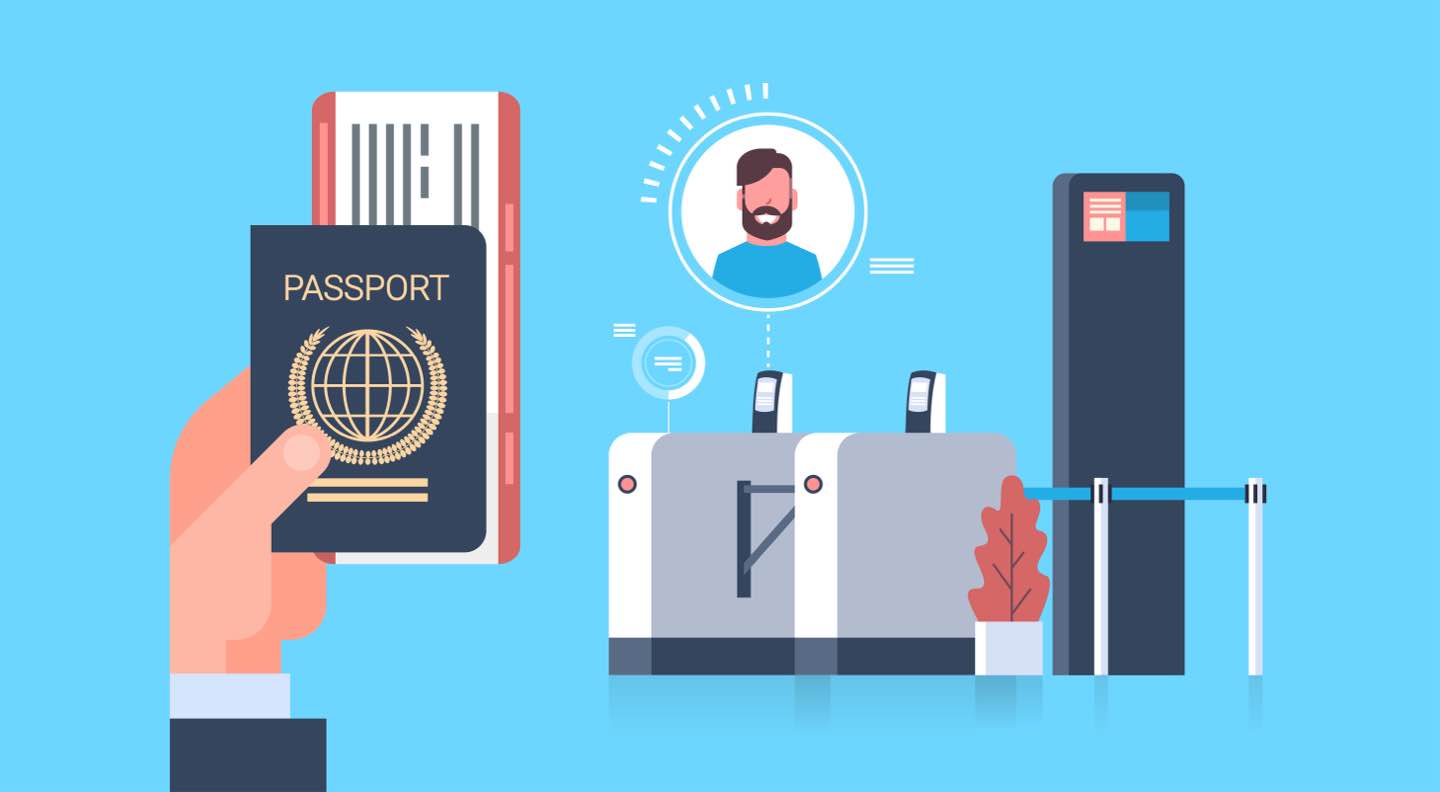
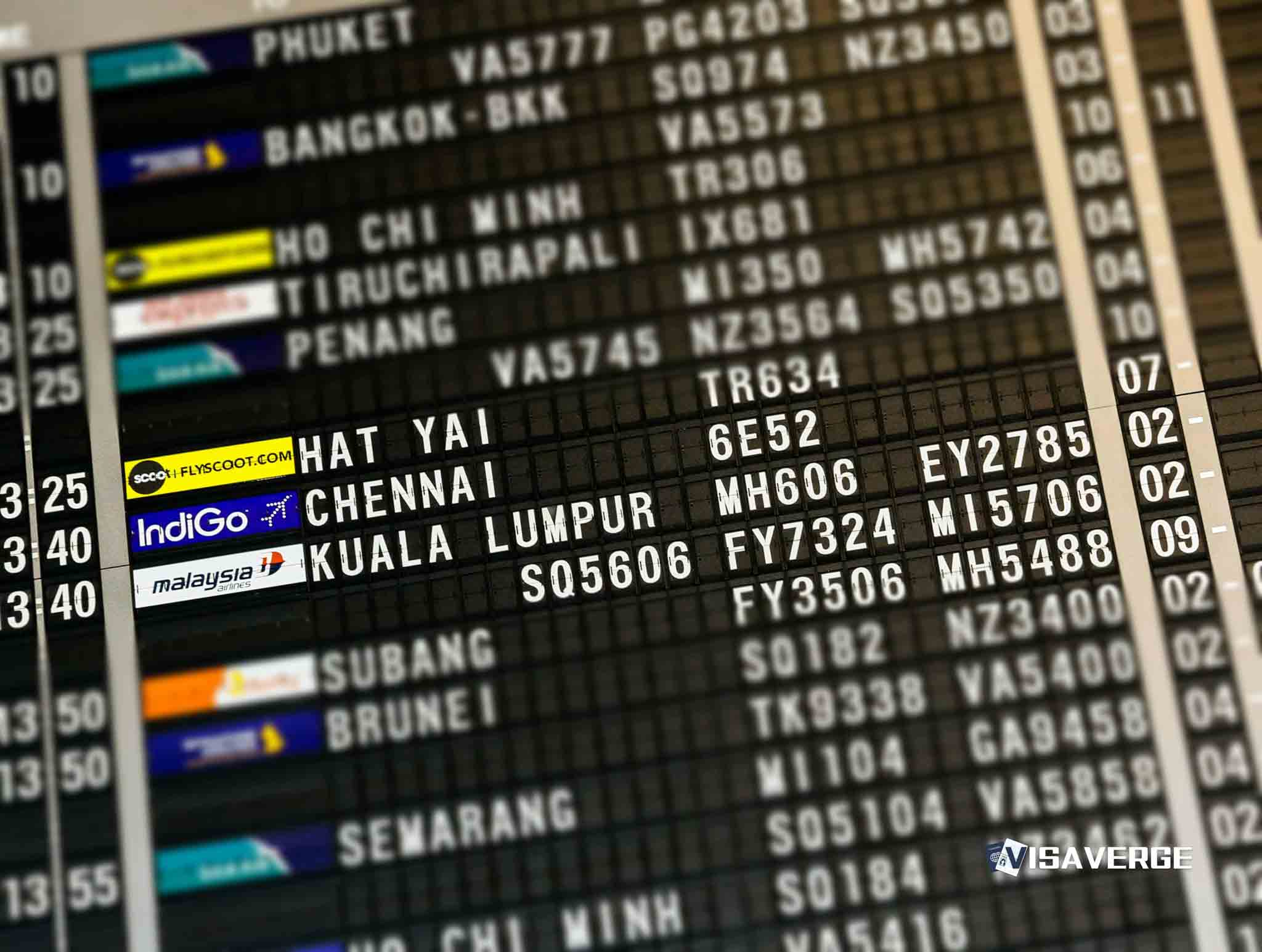
In a groundbreaking initiative to transform the travel experience, Singapore has taken a significant leap forward by introducing an end-to-end biometric system at Changi Airport. This technology will allow travelers to check into flights, drop off bags, and clear customs upon exiting the country, all without the need for traditional passports. Set for introduction in 2024, this innovation is expected to catalyze a global shift towards more seamless travel experiences, ultimately leading to the scrapping of passports in favor of digital identification systems.
How Will Biometric Technology Change Travel?
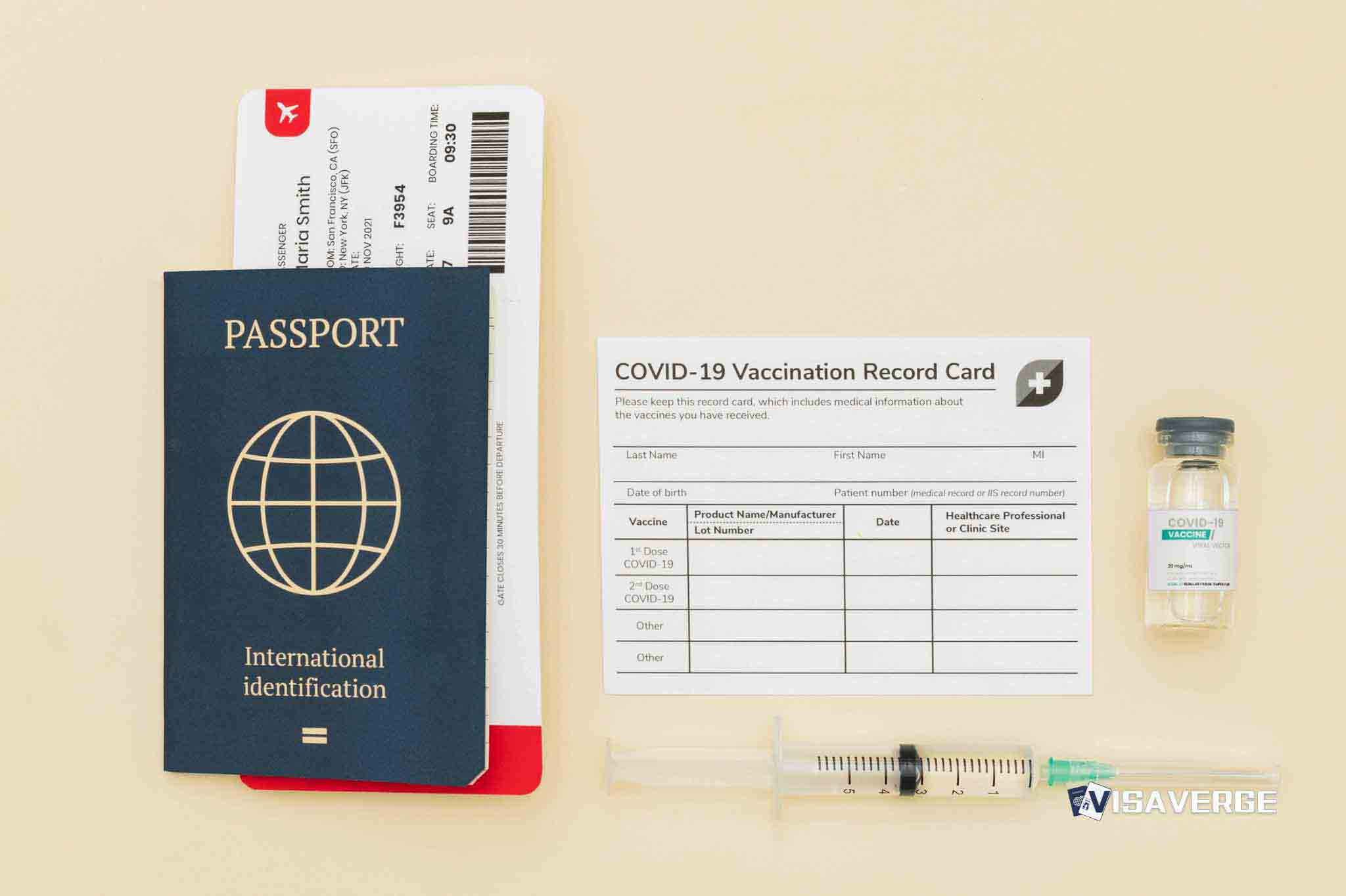
As travelers from around the world can attest, airport procedures can often be time-consuming and tedious. Singapore’s sophisticated facial recognition technology aims to alleviate this burden by enabling quicker and smoother processes not only for departures but also for recognizing international arrivals without reliance on a physical passport.
This advancement is poised to greatly expedite passenger flow, reducing wait times and enhancing overall airport efficiency. This push towards visa-free travel and reduced documentation at border points reflects a wider trend in the travel industry looking for ways to streamline operations and improve passenger experiences.
The UK’s Expansion of eGates Network
Following Singapore’s progressive approach, the United Kingdom is also making significant strides in upgrading its border control systems. The head of the UK’s Border Force announced the expansion of the eGates network, which is currently available to British and EU citizens. This move is set to welcome an even broader range of international visitors.
Introducing eGates: What You Need to Know
eGates are automated self-service barriers that use facial recognition technology to verify a traveler’s identity. While a physical passport will still be a requirement, showing it at the gate becomes unnecessary as your features are matched to the passport’s data on file. This works in tandem with the Electronic Travel Authorization, soon to be a prerequisite for travelers, including those who do not require a visa to enter the UK.
“We will know a lot more information about people upfront,” says UK Border Force Director-General Phil Douglas. “We will know if they’ve been in the UK before. We’ll know what their compliance with immigration laws is. And we’ll know if there’s any records of them on our security systems. So there will be some people who won’t be getting on the plane.”
Through this digitized approach, the UK aims to not only facilitate quicker airport transitions but also maintain more robust security and compliance records.
The Controversial Face of Airport Security: Facial Recognition
As facial recognition becomes increasingly integrated into airport procedures, there are mixed reactions to its widespread adoption. Advocates point out the benefits of reducing staffing requirements and coping with the surge of travelers in the post-pandemic era. However, there are concerns surrounding the safety and privacy implications of such digital identification systems.
Critics worry about the potential for system errors, which can lead to wrongful denials of entry or other complications. There’s also the fear of biometric data falling into the wrong hands, as “We can’t change our biometrics without extreme measures like burning off our fingerprints or getting extreme facial reconstruction surgery,” remarks Adam Schwartz, a privacy litigation director.
The Challenges Ahead
While digital advancements herald a new era of travel, there are significant challenges that need to be addressed. Ensuring that digital identification systems are secure, reliable, and respectful of personal privacy will be paramount in their successful implementation. It’s crucial that we find a balance between convenience and security to safeguard against potential abuses of technology.
Conclusion: A Step Towards a Digitized World
As nations like Singapore and the UK lead the charge in implementing new travel technologies, we inch closer to a world where traditional travel documents like passports may become obsolete. The integration of state-of-the-art biometric systems is transforming global travel standards, offering a glimpse into a future that embraces digital identification, visa-free travel, and ultimately a more connected and accessible world. However, as we navigate these innovations, it’s imperative to maintain a vigilant approach to the risks involved, ensuring that the benefits of such technology are enjoyed without compromising individual rights.
For those interested in the evolving landscape of world travel and immigration, keep an eye on official resources from immigration authorities such as the UK Home Office and Immigration and Checkpoints Authority of Singapore for the most up-to-date information.
So there you have it, folks! Singapore and the UK are paving the way towards a passport-free future with their epic biometric systems. No more fumbling around for that little blue book! Just a quick facial scan, and you’re good to go! But hey, embrace the convenience with caution, amigos. Keep an eye on visaverge.com for all the juicy updates on this futuristic tech. It’s like having a backstage pass to the future of travel! Cheers! ?➡️?
This Article in a Nutshell:
Singapore is revolutionizing travel with a biometric system at Changi Airport. Starting in 2024, passengers can check in, drop bags, and clear customs without passports. This modernization will improve efficiency and lead to passport-free travel. The UK is also expanding eGates, using facial recognition technology to streamline border control. Challenges include security and privacy concerns.