The Future of Travel: Advanced Credentialing Systems
Travel in 2023 has soared to heights reminiscent of the pre-pandemic era, with more people than ever passing through security lines–and with this influx, wait times have inevitably increased. For government agencies such as TSA, the challenge is to ensure safe and secure journeys without compromising on the swiftness and smoothness of check-in experiences that customers require.
The travel landscape is evolving, and our current credentialing systems, including the decade-long passports, are struggling to keep pace. Notably, the rapid rise in travel has fostered novel forms of fraud; digital identities can now be artificial intelligence (AI) enhanced, becoming increasingly complex to detect.
“Common threat vectors now include AI-generated morphed photographs and digital injection attacks where biometric data is injected into a system in ways intended to evade endpoint security checks.”
The necessity of adopting new travel credential systems that leverage improved technology is clear. And while concerns about AI—including biometrics—presenting new risks persist, they also provide unparalleled security assurance.
Growing Importance of Biometrics in Travel
In 2024 and beyond, we expect to witness an ascent in improved credential systems and a shift to robust, digitalized, secure authentication methods, like biometrics. According to a survey, when given a choice, “58 percent of respondents choose to use biometrics over half the time” instead of traditional passwords.
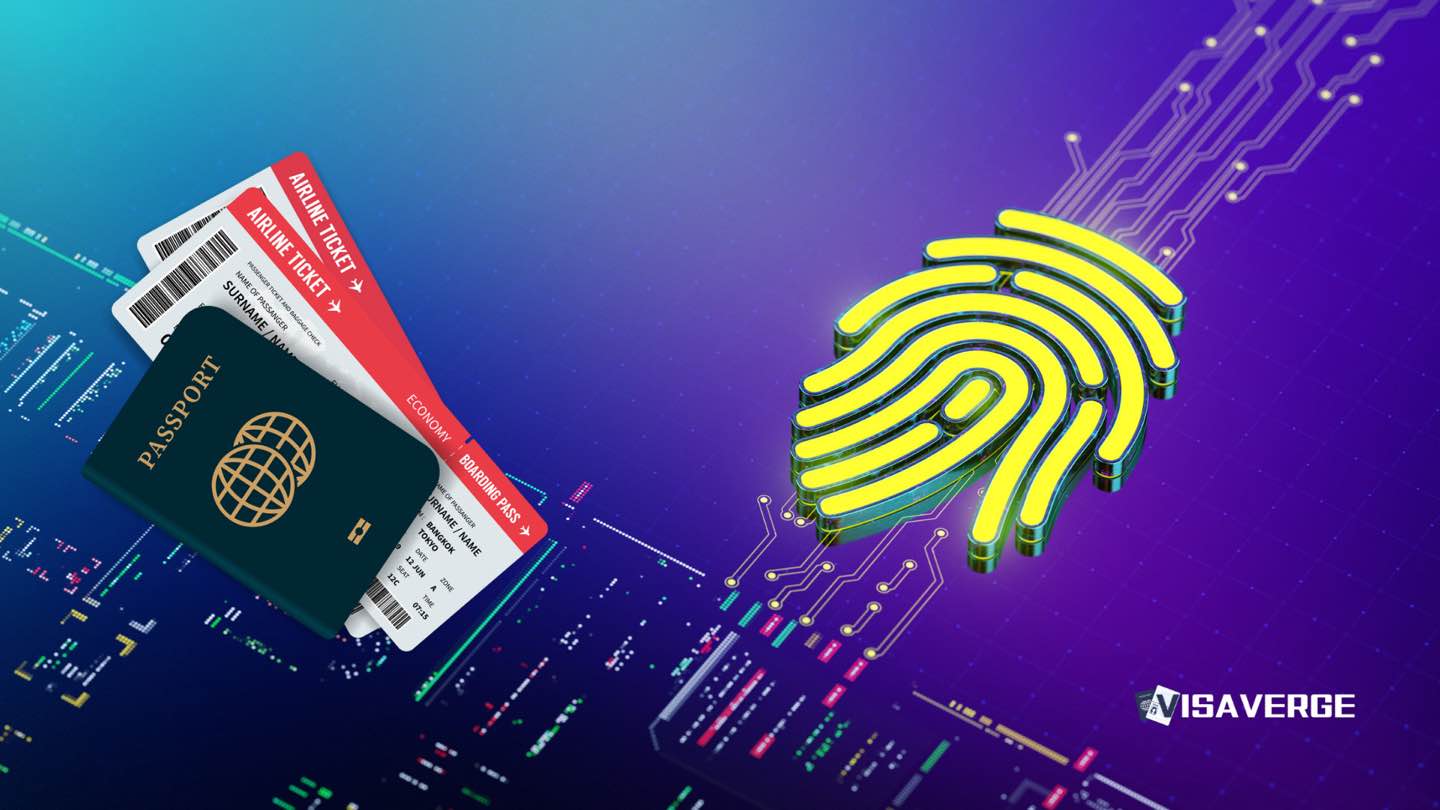
The advanced identity technology available today allows travelers to remotely register biometric and passport information, ensuring a security level that satisfies the demands of travel providers and immigration authorities. This digital verification facilitates streamlined application processes, cutting down on errors and fraud risks by using biometric data for identity verification, rather than easily tampered documents.
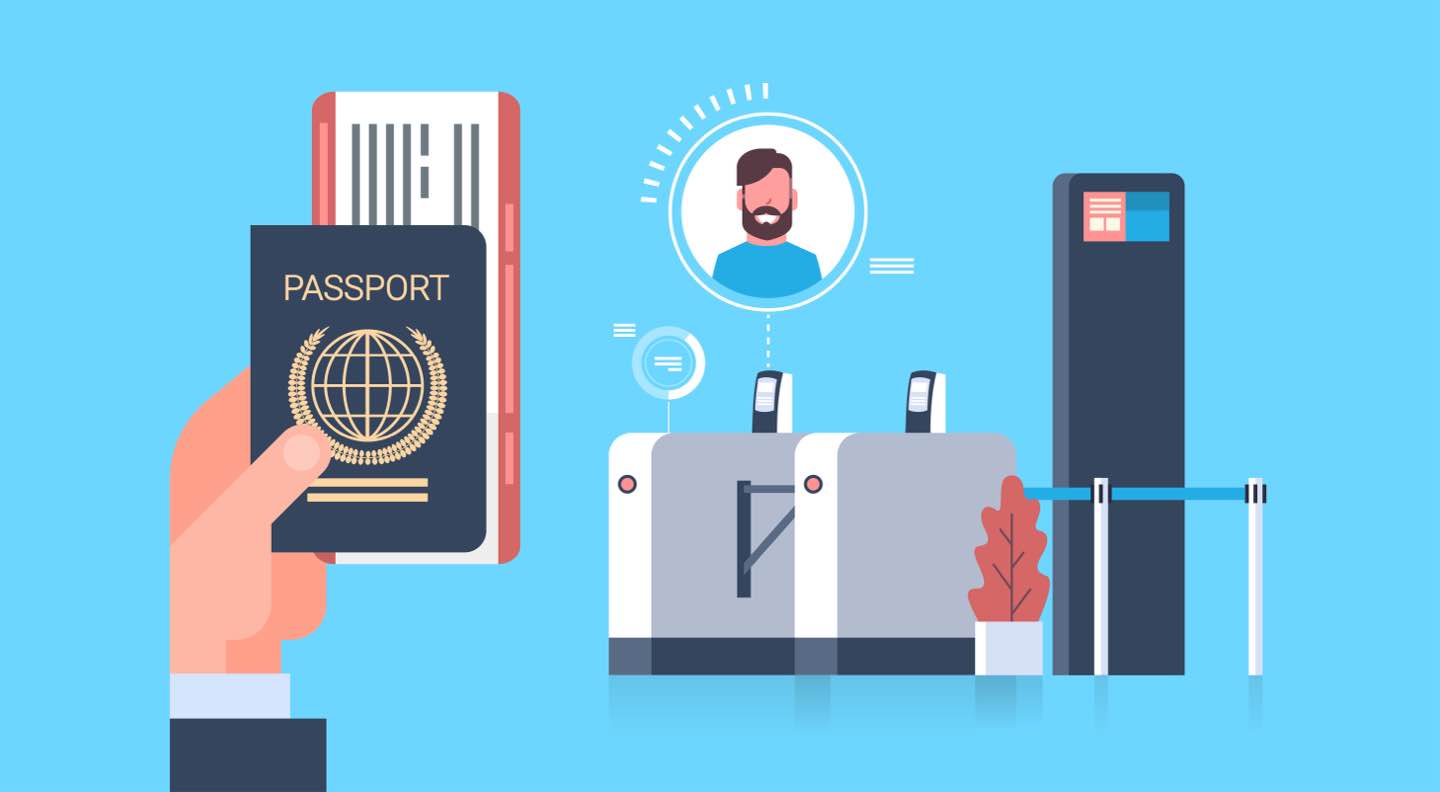
A prime example of this innovation is Eurostar’s SmartCheck system, which provides a “biometric walkthrough experience.” This system issues Digital Travel Credentials (DTCs) as an optional extra, storing a digital representation of the traveler’s identity on their mobile device. With a DTC, travelers can smoothly navigate their journey with their face acting as their ticket.
“Their face, in essence, becomes their ticket, reducing verification redundancies and saving time at the checkpoint gate.”
As this technology advances, envisage a scenario where your face alone could get you through airport security lines or border control, enhancing confidence for governments and expediting processing times for travelers.
Embracing a Hybrid Travel Experience
In this digital age, travelers prefer to avoid wait times and minimize touchpoints. Systems like TSA Precheck, now boasting over 17 million members, are testament to the demand for swift airport screening processes. Yet, in the face of AI-generated deepfakes and sophisticated fraudulence, maintaining security across a traveler’s entire journey remains imperative.
Integrating physical and electronic credentials, hybrid experiences are crucial for a secure and seamless customer journey. In a sense, they mirror the approach of the credit card industry which uses a mix of digital and physical security measures.
“Hybrid solutions, where a person has both a physical ID and an electronic one derived from it, will be invaluable for a secure experience.”
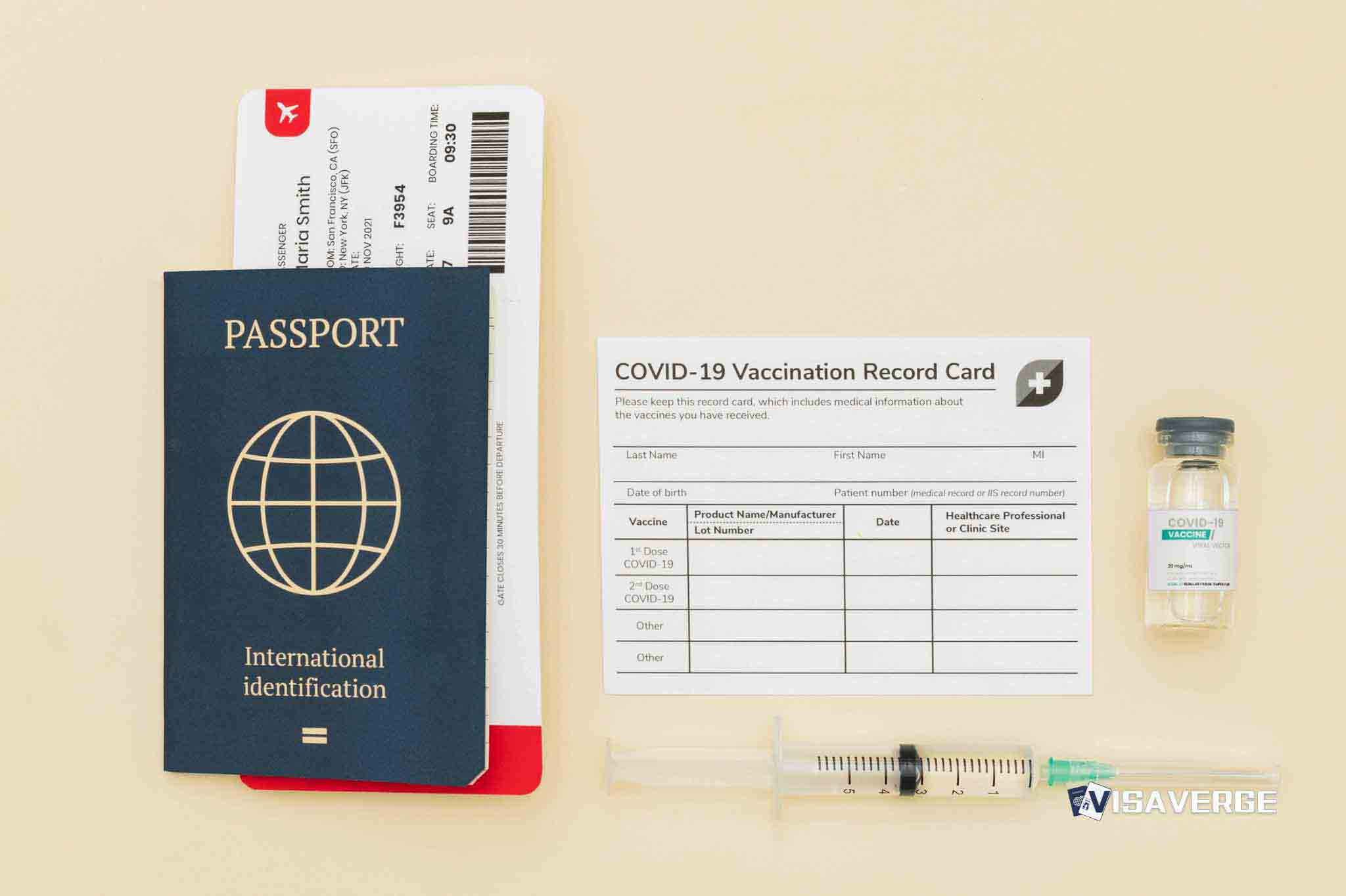
Travelers will soon transition to a hybrid passport experience, possessing both a physical passport book and a digital smartphone version which facilitates easier transactions, such as sharing information through online booking systems or travel apps.
The Next Era of Digital Travel
As we delve deeper into digital solutions, biometric technologies like face-only validation are expected to become more widespread. A key aspect of digital and hybrid travel is empowering travelers to manage their identity with technologies that favor a privacy-centric approach.
“Digital credential systems provide a more privacy-centric experience, allowing citizens to control their identity data and submit it only to those who need to see it.”
The digital travel era places control into the hands of travelers, enhancing their dominion over personal information. With an increase in digital adoption and reduced friction, travelers will experience more agency over their data.
For the most up-to-date information on credentialing and immigration procedures, refer to official resources such as the U.S. Department of State’s Bureau of Consular Affairs or the Transportation Security Administration.
In conclusion, with the seamless integration of biometrics in travel and the emergence of hybrid credentials, the future of travel looks promising, aligning security with convenience for an exceptional travel experience.
So there you have it, my tech-savvy amigos! The future of travel is looking pretty rad with advanced credentialing systems and biometric magic. Say goodbye to long lines and hello to face-only validation at security checkpoints. If you want to dive deeper into this fascinating topic, check out visaverge.com for all the deets. Trust me, you won’t wanna miss it! Happy travels, my friends! ✈️? #TravelTech #BiometricBliss #VisaVerge
This Article in a Nutshell:
Travel in 2023 is bustling, causing longer wait times at security. Governments must ensure safe travel without compromising on speed. Advanced technology, like biometrics, is vital to tackle fraud. Systems such as Eurostar’s SmartCheck use face recognition as a ticket, streamlining journeys. Hybrid passports and digital solutions offer improved security and convenience.