Embracing the Future: How Biometric Passports Are Changing the Face of International Travel
The landscape of international travel is undergoing a transformative shift, led by the global adoption of biometric passports—also known as ePassports. These state-of-the-art international travel documents integrate cutting-edge ePassport security features, marking a significant step forward in combatting fraud, increasing airport security, and streamlining access to public services.

Mandatory Biometric ePassports in Pakistan
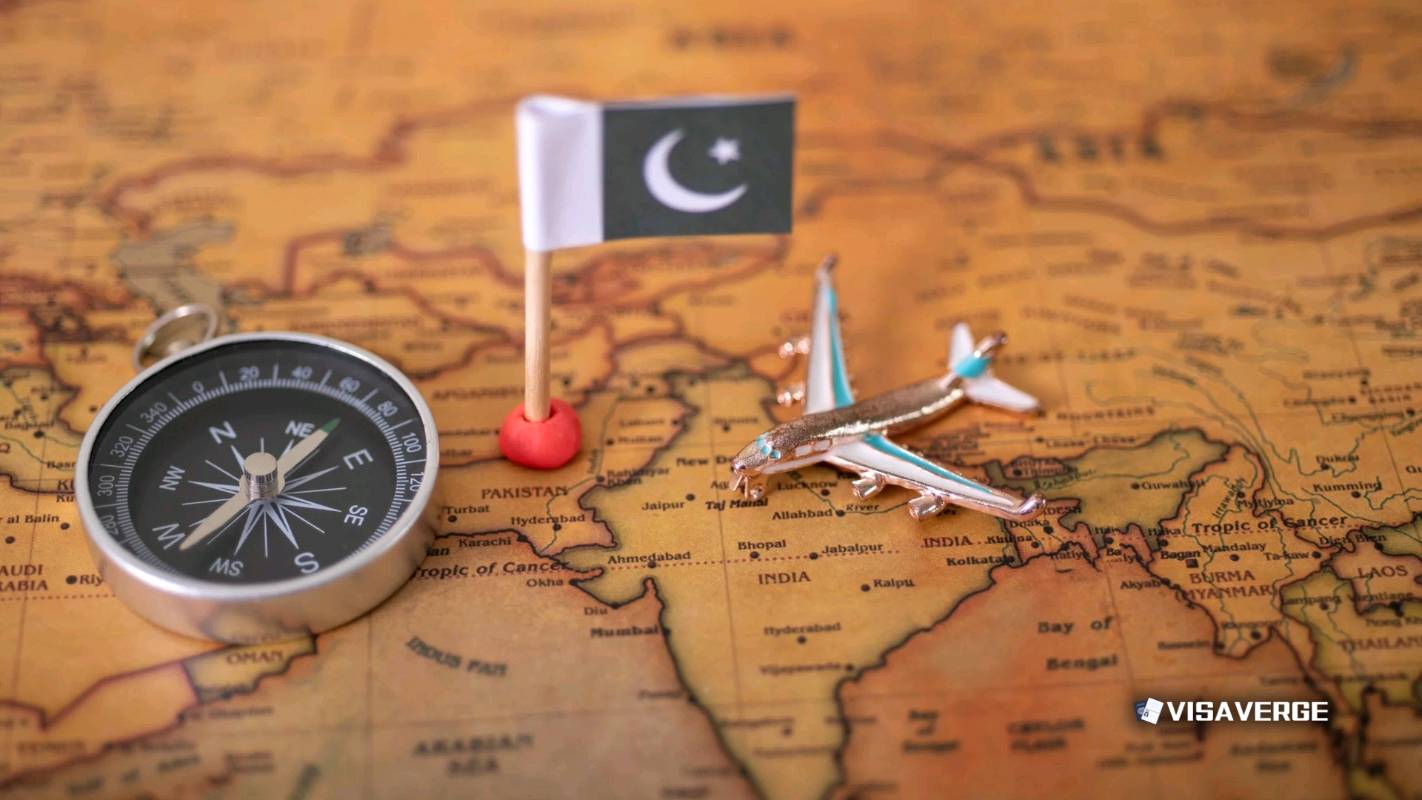
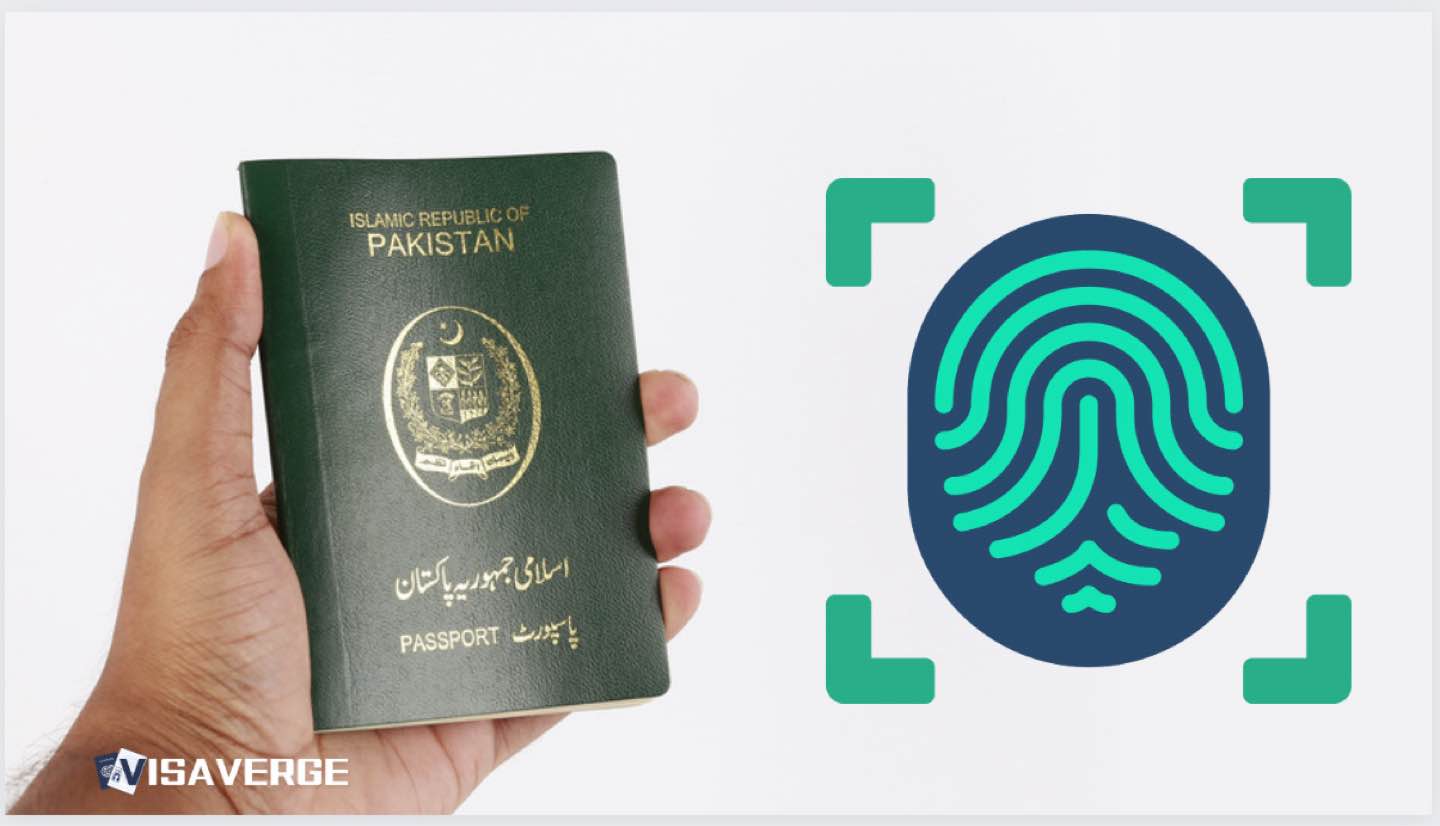
In recent news, Pakistan has announced a significant upgrade to their passport systems. With the goal of enhancing security, Pakistani officials endeavor to shift from machine-readable passports to biometric passports by 2024, and have set 2027 as the target year for making biometric passports mandatory. According to Daily Pakistan, the implementation is a response to the need for more secure and efficient border crossings, which ePassports can provide thanks to their enhanced biometric features, like facial recognition data, which make tampering and fraud significantly more difficult.
Israel’s Policy Change Favors Biometric Passport Holders
Travelers to Israel will soon find an incentive to adopt biometric passports. The Population and Immigration Authority (PIBA) at Ben Gurion International Airport has updated its policy to streamline the entry process for ePassport holders. As reported by Israel National News, travelers with traditional passports will face added steps upon arrival, including verification in person by a PIBA supervisor. The new measures highlight the growing preference for the convenience and security of biometric passports.
Russia’s Biometric Passport Initiative
Russia is not far behind in the race to modernize travel and public service access. “As technology evolves, so too does the way governments deliver services to their citizens,” demonstrates the commitment to transition to a biometric identification system. This move, led by Deputy Prime Minister Dmitry Grigorenko, focuses on simplifying access to Multifunctional Public Service Centers (MFCs) with facial verification instead of traditional passports, potentially enhancing citizen experience significantly while bolstering security measures.
African Nations Joining the Biometric Trend
Libya and Nigeria have also recognized the advantages of biometric technology. The Libya Herald shares that the government is updating its national ID system to include biometric machine-readable passports and ID cards. The aim is to modernize the identification process and improve the efficiency of manual data entry at border ports.
Nigeria, on the other hand, is on the verge of launching an automated passport application system, as Punch reports. This system will allow Nigerians to complete most of the application process remotely, only requiring a visit to registration centers for fingerprint biometrics. Furthermore, Nigeria intends to install eGates at international airports, simplifying the arrival process for Nigerian citizens.
The Advantages of Biometric Passports
Biometric passports bring along a host of benefits:
- Increased Security: With the inclusion of biometric data such as facial recognition and fingerprints, ePassports are far more difficult to forge compared to traditional passports.
- Faster Border Crossings: Automated border control systems can read ePassports quickly, reducing wait times and making the immigration process smoother for travelers.
-
Convenience: Biometric ePassports can offer expedited check-ins and eGate access, ultimately leading to a more streamlined travel experience.
-
International Standardization: As more countries adopt biometric passports, a standardized system of travel documents emerges, facilitating global interoperability and mutual security protocols.
Looking Ahead
The adoption of biometric passports signals a new era in international travel and identity verification. From Pakistan’s forthcoming mandatory biometric passports to the eGates of Nigeria, nations worldwide are converging on a technologically advanced and secure system that marks an evolution in how we cross borders. As we embrace these advancements, travelers can expect more efficient, secure, and user-friendly experiences, which serve the dual purposes of enhancing security and facilitating global mobility.
For those planning international travel, it is essential to stay informed about these changes and understand how they may impact your travel plans. The migration towards biometric passports is an ongoing process, and as it unfolds, it may soon become the new standard for all international travelers.
So there you have it, folks! The future of international travel is looking biometrically fantastic! From Pakistan to Israel, Russia to African nations, we’re witnessing a global shift towards more secure and efficient border crossings with the help of biometric passports. With increased security, faster check-ins, and streamlined processes, it’s an exciting time to be a traveler. And if you want to dive deeper into this fascinating topic, don’t forget to visit visaverge.com for more information. Happy exploring and safe travels!
This Article in a Nutshell:
Biometric passports are revolutionizing international travel. They enhance security, automate border control, and provide convenience with faster check-ins and eGate access. Pakistan, Israel, Russia, Libya, and Nigeria are implementing biometric passport systems. The future of travel is becoming more efficient, secure, and user-friendly, with standardized global protocols.