In the ever-evolving landscape of international travel, digital innovation is paving the way for smoother, more efficient experiences. With airports around the globe experimenting with Digital Travel Credentials (DTCs) and biometric passports, the future of travel looks promising. Let’s dive into some of the latest developments from Schiphol Airport in the Netherlands, Entebbe International Airport in Uganda, and an impressive IT pilot in Vietnam.
What Are Digital Travel Credentials?

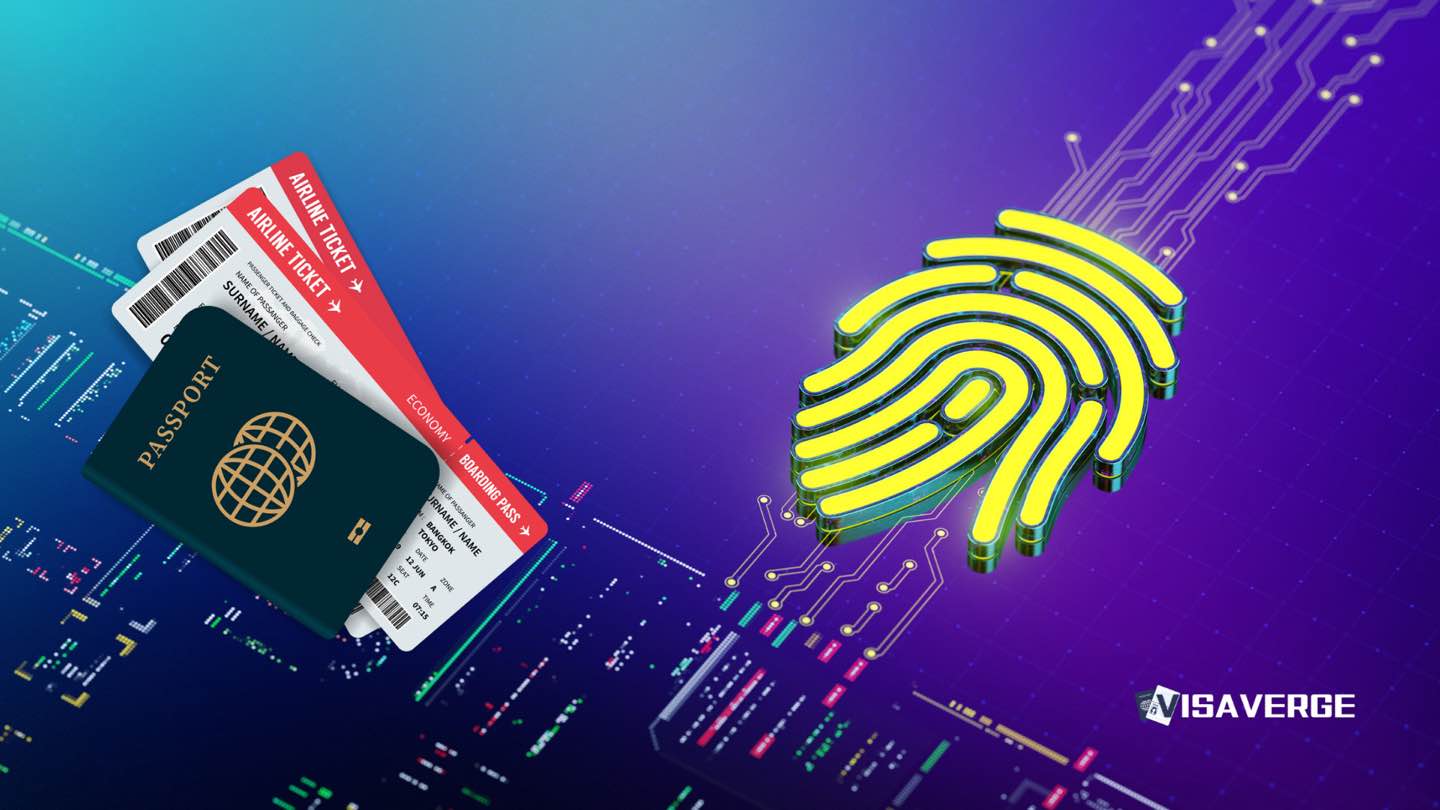
Digital Travel Credentials are an innovative solution designed to streamline the travel process. They serve as a digital counterpart to traditional passports, allowing travelers to move through airports with greater ease and efficiency. This technology could significantly reduce waiting times and improve the overall travel experience.
Schiphol Airport Trials for Shorter Queues
Amsterdam Airport Schiphol has kicked off a trial aiming to cut down the queues for intercontinental travelers. This experiment allows military police to use DTCs as a substitute for physical passports. The trial, initiated at the request of the European Commission, involves flights from Canada to the Netherlands on KLM airlines.
Participants are selected to download an app, upload a photo of their face, fill in passport information, and answer several questions related to their visit. This process creates a decentralized ID that is checked by border control before arrival. Travelers need to pass their passports through a border gate at the airport, and if the passport data matches the DTC in the system, they can proceed. However, it’s crucial to note that passengers must continue to carry their physical passports.
“The trials will continue until the end of March, and it is expected to take years before digital travel credentials can be formally introduced,” reports the NOS.
Entebbe Airport’s Biometric Passport E-Gates
In Uganda, Entebbe International Airport has embraced the use of biometric passports at self-clearance e-gates. These passports, equipped with chips for biometric identification, link to Uganda’s national database of fingerprints to verify travelers’ identities.
This new system allows Ugandan citizens to enter and exit the country without direct interaction with immigration officers. The biometric feature minimizes identity theft risks and ensures a smoother experience for travelers.
Vietnam’s IT Pilot for Seamless Border Crossing
Vietnam is advancing its IT infrastructure with a pilot program for an electronic border information portal. This initiative will allow for the issuing and controlling of various permits through digital signatures at online port border gates. The system is anticipated to expand to seven port border gates by 2024 and nationwide by 2025. This development promises to reduce inspection times from three minutes to approximately 30 seconds, leveraging 2D barcodes for efficiency.
Colonel Đỗ Ngọc Toàn, director of the Department of Border Gate Management, expresses optimism about utilizing the national population database for immigration management, marking a significant step forward in the integration of digital solutions in border control.
The Future of Digital Travel
As we witness these trials and implementations unfold, it’s clear that the future of travel will significantly depend on digital advancements. Digital Travel Credentials and biometric passports are not just concepts but are becoming realities, with Schiphol Airport trials and developments in Uganda and Vietnam spearheading the transformation.
For those interested in the technicalities of obtaining or using digital travel credentials or biometric passports, visiting official immigration or government websites provides authoritative information. For example, the U.S. Department of State’s page on passports offers valuable insights into current procedures and requirements.
These innovations promise to make travel more accessible, efficient, and secure, ultimately enhancing the global travel experience for everyone. With continued investment and interest from governments and the private sector, the adoption of digital travel credentials and biometric passports could become standard practice, marking a new era in international travel.
This Article In A Nutshell:
Innovative Digital Travel Credentials and biometric passports are reshaping global travel, promising smoother experiences. Schiphol, Entebbe, and Vietnam lead with trials and advancements. From shortened queues to seamless border crossing, these digital solutions enhance efficiency and security. The future of travel is digital, creating a new era in international journeys.