- Representative Rashida Tlaib introduced H.R. 10040 to stop TSA from sharing passenger data with immigration agents.
- Over 800 immigration-related arrests were linked to records involving thirty-one thousand travelers through February 2026.
- The bill prohibits revoking trusted-traveler status like TSA PreCheck based on protected activities like protests.
Rep. Rashida Tlaib introduced the No TSA Data for ICE Act on August 3, 2026, seeking to stop the Department of Homeland Security from using passenger information collected for aviation security in immigration enforcement. The proposal would also bar retaliation through trusted-traveler programs, including TSA PreCheck.
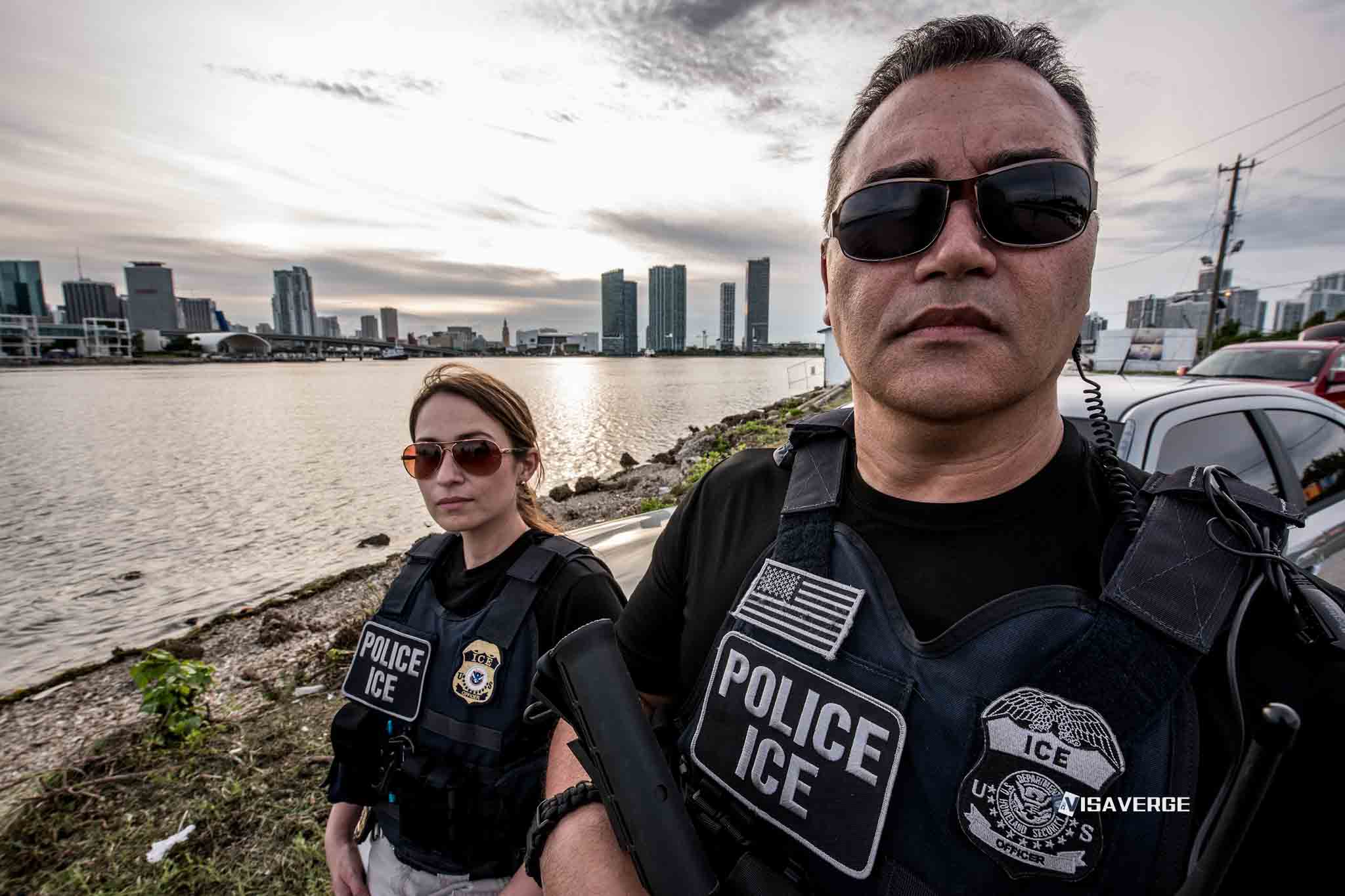
The measure, H.R. 10040, follows reports that records involving more than 31,000 travelers helped produce more than 800 immigration-related arrests through February 2026. Federal officials were also making 20 to 40 arrests per day at airports, according to reporting cited in the bill’s backdrop.
Tlaib, a Democrat from Michigan, said the Transportation Security Administration had become part of the airport enforcement system.
“TSA is complicit in ICE expanding its chaos and cruelty to target our communities in our airports and has been openly lying about it. . Through an information-sharing agreement signed in 2025, TSA is readily offering up our immigrant residents to suffer at the hands of ICE agents so they can fulfill their daily arrest quota.”
The bill went to the House Committee on Homeland Security, along with the Judiciary and Ways and Means committees, on August 3. It has 25 cosponsors listed in a policy bulletin and has not reached a vote.
Nikema Williams, a Georgia Democrat and cosponsor, said TSA was sharing “passenger names, birth dates, and other data with Immigration and Customs Enforcement.” She said agents were targeting immigrants “in the process of changing status,” including people waiting for visa extensions, people with employment authorization documents and people recently married to a U.S. citizen.
The proposal would split aviation data from immigration enforcement
The bill would prohibit DHS from giving TSA-collected passenger information to Immigration and Customs Enforcement or Customs and Border Protection for immigration enforcement. The material described as shared includes names, birth dates and flight details, with reports saying the information moved between agencies multiple times per week.
The proposal also covers trusted-traveler decisions. DHS could not deny or revoke a person’s status because of protected First Amendment activity, including protests.
That provision comes as U.S. citizens sue DHS over alleged retaliation after filming ICE activity at airports. The lawsuits say officials revoked their Global Entry and TSA PreCheck status.
The data-sharing arrangement dates to a May 2025 memorandum of agreement between TSA and ICE. American Oversight obtained the document after filing a Freedom of Information Act lawsuit, and the agreement became public on July 23, 2026.
The government relies on the 2008 Secure Flight Final Rule as the legal basis for using aviation-security data in immigration enforcement. Acting TSA Administrator Ha Nguyen McNeill told Congress in January 2025 that TSA did not “send the information to ICE,” but instead helped ICE “check against” information, according to critics who say that testimony misled lawmakers.
Airport arrests have produced competing counts and growing scrutiny
Earlier reporting tied TSA tips to more than 800 arrests involving records from more than 31,000 travelers through February 2026. A separate internal memo put the number at 27 arrests across nine states by late July 2026.
The figures cover different periods and sources. Reports also described 51,000 immigration arrests nationwide in July alone, while ICE arrest rates reached approximately 1,600 per day in early July.
The airport operations expanded during a broader mass-deportation campaign and a partial DHS shutdown in early 2026. ICE agents were reportedly deployed to help with airport security lines during that period.
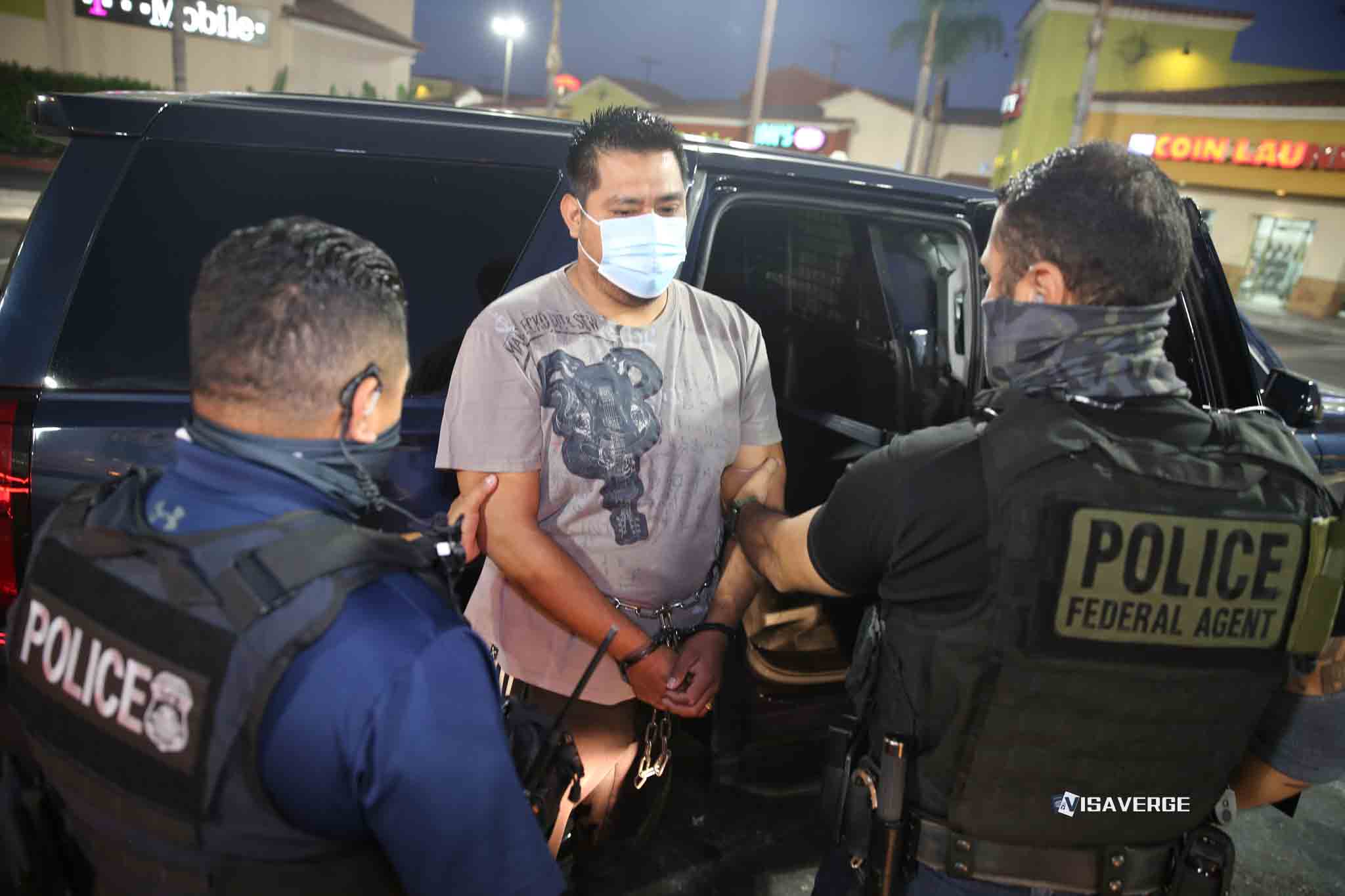
Any Lucía López Belloza, a 19-year-old college student, was detained at an airport after TSA provided her flight data. She was later deported to Honduras despite having no criminal record.
Agents have reportedly pursued travelers with expired visas, pending asylum cases, valid employment authorization documents and recent marriages to U.S. citizens. Williams said the cases also included people waiting for visa extensions.
| Reported measure | Figure | Time period or scope |
|---|---|---|
| Passenger records shared | More than 31,000 travelers | Through February 2026 |
| Immigration-related arrests tied to the records | More than 800 | Through February 2026 |
| Arrests in an internal memo | 27 | Across nine states by late July 2026 |
| Reported airport arrests per day | 20 to 40 | Period described in reporting |
| Nationwide immigration arrests | 51,000 | July 2026 |
| Approximate ICE arrest rate | 1,600 per day | Early July 2026 |
Airlines are warning that arrests at gates could affect safety
The enforcement has moved into boarding areas, gates and jet bridges, raising concerns among major airlines about passenger safety and uneasiness. Southwest reportedly declined to help ICE reach jet bridges for arrests.
Airlines were in talks with the Trump administration on August 12 over the increase in airport arrests. The carriers raised concerns that airport enforcement could be bad for business.
John B. Larson, a Connecticut Democrat and bill cosponsor, described the reported operations as a national affront.
“The news of covert ICE operations at our airports, where Donald Trump’s secret police snatched residents. straight out of security lines, was a national outrage.”
American Oversight Executive Director Chioma Chukwu said the agreement could affect how travelers view the information they provide before flying.
“The agreement sets a dangerous precedent with consequences far beyond immigration. Americans provide their personal information to board a plane safely, not to become part of an immigration enforcement system.”
The administration has defended the department’s security role. DHS spokesperson Tricia McLaughlin said lawmakers seeking to restrict the department were weakening protections against terrorism.
“As we approach the 25th anniversary of the horrific terror attacks of 9/11, it’s not shocking that some in the Democrat Party would want to neuter the Department of Homeland Security’s ability to protect Americans from terrorists. . The message to those in the country illegally is clear: The only reason you should be flying is to self-deport home.”
The bill now faces committee review
The legislation would apply to the use of TSA passenger information by both ICE and CBP, rather than limiting the restriction to arrests at airports. It would also address trusted-traveler consequences separately from the underlying passenger-data exchange.
Tlaib’s office framed the bill as a response to the 2025 information-sharing agreement. Williams said the data included passenger names and birth dates, while the proposal’s supporters connected those records to enforcement against immigrants whose status remains in process.
The bill’s path runs through three House committees. No vote has been scheduled, and the proposal remains before Congress.
The public release of the May 2025 agreement on July 23 set the current dispute in motion. As airlines negotiate with the administration on August 12, lawmakers are seeking to decide whether information submitted to board a flight can also feed immigration enforcement.