The Transportation Security Administration has been sending airline passenger lists to Immigration and Customs Enforcement several times a week since March 2025, a new layer of cooperation aimed at speeding deportations under President Trump, according to reporting cited by multiple outlets. The practice lets ICE spot travelers before they board.
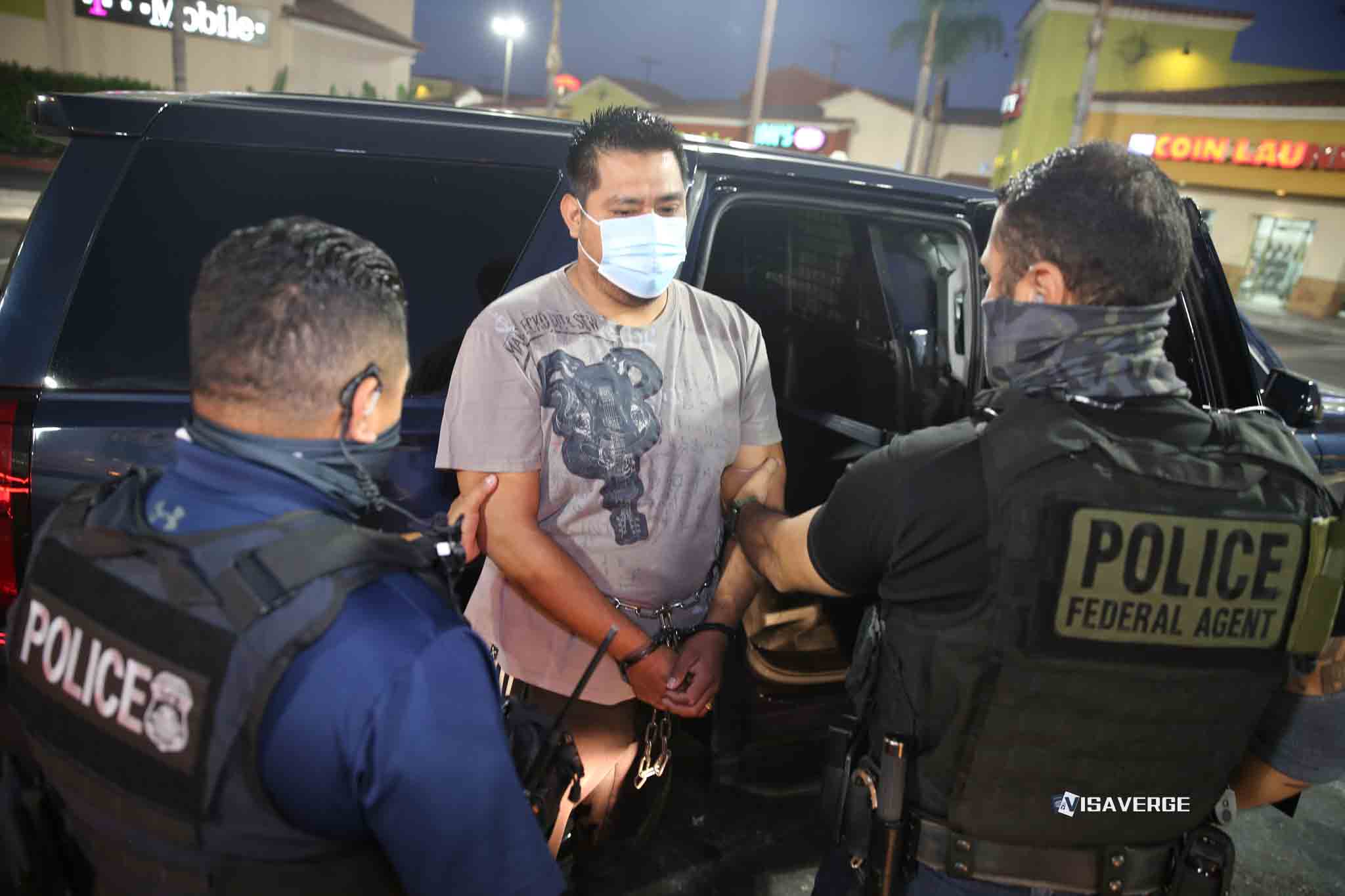
The New York Times described the program as a system in which TSA provides full manifests of travelers booked on flights, and ICE then cross-references names against its deportation database. Agents can be sent to airports to make arrests at gates, shifting TSA beyond its usual screening role.

Homeland Security officials said the cooperation is routine and tied to removals. DHS said in a statement: “This is nothing new. This administration is working diligently to ensure that aliens in our country illegally can no longer fly unless it is out of our country to self-deport.” on commercial flights.
Free toolB1/B2 Tourist Visa Stay Calculator onlineWhat the program does and how it works
- Data shared: Reports say TSA sends ICE lists of every traveler booked on a flight — not just people who have checked in or those already on a watch list.
- Matching: ICE can match names, dates of birth, and other identifiers to locate people with final orders of removal or other targets.
- Timing: Because manifests are shared before boarding, ICE can spot people earlier in their travel, and agents may be dispatched to gates or concourses.
“Passenger manifests give ICE a tool for finding people who might otherwise avoid contact,” the coverage notes — and that shift from post-checkpoint enforcement to pre-boarding identification is central to the controversy.
Privacy, legal, and civil‑liberties concerns
Privacy advocates and immigrant rights groups view the data flow as a sharp change. They argue TSA’s mission has historically been to stop security threats, not to help immigration agents locate people for civil arrests.
- Key worries:
- Enforcement dragnet: Airline passenger data gathered for screening could be repurposed nationwide for immigration enforcement.
- Mistaken identity: People with similar or common names may be wrongly targeted.
- ID dismissal: Reports warn that ICE has sometimes dismissed Real IDs or passports during encounters.
- Due process and access to counsel: Airport arrests can cut people off from lawyers and family; brief custody can cause missed exams, lost housing, or inability to prepare a defense.
Supporters counter that airports are a predictable location to find people ICE seeks and that stopping people from flying illegally supports removals and “self-deportation.”
Notable case cited
One case described in the coverage involves Any Lucía López Belloza, a 19-year-old college student. According to reports:
- She was arrested by ICE officers at Boston Logan International Airport on November 20, 2025 while trying to board a flight to Texas.
- She was deported to Honduras?? two days later, following detention.
- Her detention has become a touchstone for critics who say airport arrests disrupt access to counsel and support networks.
Reported outcomes and scale
- A former ICE official told reporters that about 75% of names flagged through the TSA lists ended in arrests — a figure offered to show the program’s effectiveness. That specific claim could not be independently verified from the material provided.
- DHS Secretary Kristi Noem said that since January 20, 2025, enforcement had produced over 605,000 deportations and 1.9 million voluntary departures, totaling more than 2.5 million people leaving the United States?? in her remarks. These figures frame why agencies are intensifying information sharing.
- Human Rights First reported its ICE Flight Monitor recorded 1,464 immigration enforcement flights in September 2025 (about 49 per day) and 969 “shuffle flights” moving detainees between facilities. Those totals are separate from the TSA passenger-list practice but show the frequency of detainee air movements.
Practical effects on travelers and families
- Families and individuals who rely on domestic flights for work, school, or medical visits face new uncertainty.
- Critics emphasize that someone can buy a ticket for a routine trip and be detained at the gate with little warning.
- Advocates report that many immigrants now weigh whether routine travel is worth the risk of detention; some avoid flying even for essential reasons like a new job or to care for a sick parent.
Operational and oversight questions
- Reports suggest the lists are shared several times weekly, implying a standing feed tied to flight schedules so ICE can know a traveler’s route before takeoff.
- Privacy lawyers and civil‑liberties groups ask:
- What safeguards exist around the transfers?
- How long are records retained?
- Are travelers notified that their booking information may be shared with ICE?
- The TSA has not, in the material provided, explained how the sharing fits with privacy notices. TSA’s Secure Flight program does collect passenger information for screening and explains its privacy rules on its website: TSA Secure Flight.
Criticisms about bias and ID handling
Critics worry that enforcement teams may rely on appearance, accent, or last name when deciding whom to question, potentially expanding errors.
- Consequences listed in reporting:
- IDs (including Real ID and passports) sometimes rejected by ICE.
- People with pending claims or who believe they have lawful status risk being detained before they can present proof.
- People without lawyers may have their first contact with authorities in a public terminal, limiting time to call counsel or family.
Broader implications and timeline
- The reported March 2025 start date links TSA-to-ICE sharing to the Trump administration’s enforcement push.
- By converting passenger manifests into enforcement leads, critics say ordinary travel systems are being turned into tools for deportation.
- Coverage suggests the pipeline continued into December 2025, making the practice ongoing and influential for migrants’ travel decisions.
Practical advice reported by lawyers
Lawyers advising immigrants recommend:
- If you have a final removal order or a pending case, seek legal counsel before booking air travel.
- If you must travel:
- Carry all identity documents (Real ID, passport, immigration paperwork).
- Have a lawyer’s contact information readily available.
- Be prepared that ICE may still question or detain you, sometimes quickly and publicly.
Key takeaways
- The TSA-to-ICE passenger-list sharing is reported to have begun in March 2025 and occurs several times a week, covering all booked travelers.
- Critics warn the practice blurs TSA’s security mission with immigration enforcement, raising privacy and due‑process concerns.
- Supporters argue the data helps locate people subject to removal in predictable places like airports.
- The change has practical effects on everyday travel choices for immigrants and mixed‑status families and raises persistent questions about oversight, retention policies, and safeguards.
For more on how TSA collects and uses passenger information for screening, see: TSA Secure Flight.
Beginning in March 2025, TSA began sending full passenger manifests to ICE multiple times weekly so agents can match travelers against removal databases and potentially arrest them before boarding. Officials present the cooperation as routine and effective; critics raise privacy, due-process, and mistaken-identity concerns, noting gate arrests can cut off access to counsel. Reported figures include a 75% arrest rate for flagged names and DHS claims of over 605,000 deportations since January 2025.