- Federal agencies use passenger manifest data to identify and arrest travelers with expired visas at domestic airports.
- Major airlines are challenging operational disruptions caused by enforcement actions at security checkpoints and boarding gates.
- A 2025 agreement expanded enforcement focus from criminal warrants to routine immigration violations like overstayed visas.
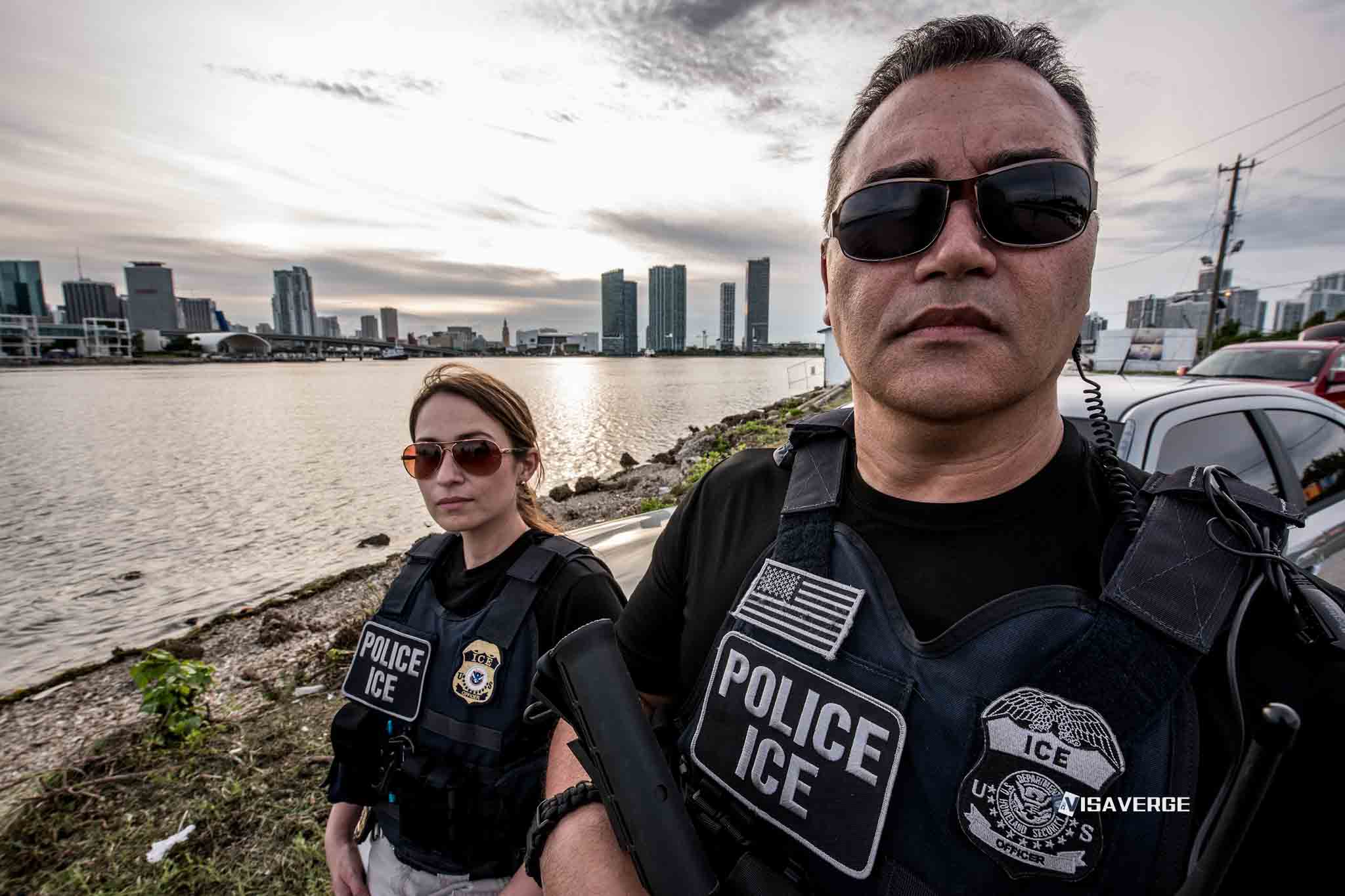
Immigration and Customs Enforcement (ICE) and the Transportation Security Administration (TSA) are discussing a rise in airport arrests involving foreign nationals with expired visas, as agents use passenger information to identify people during domestic travel.
Delta, United and American have engaged with the administration about disruptions to operations and passenger experience. Southwest Airlines has said it requires appropriate legal documentation before sharing customer information with law enforcement.
Free toolUSCIS Receipt Number Decoder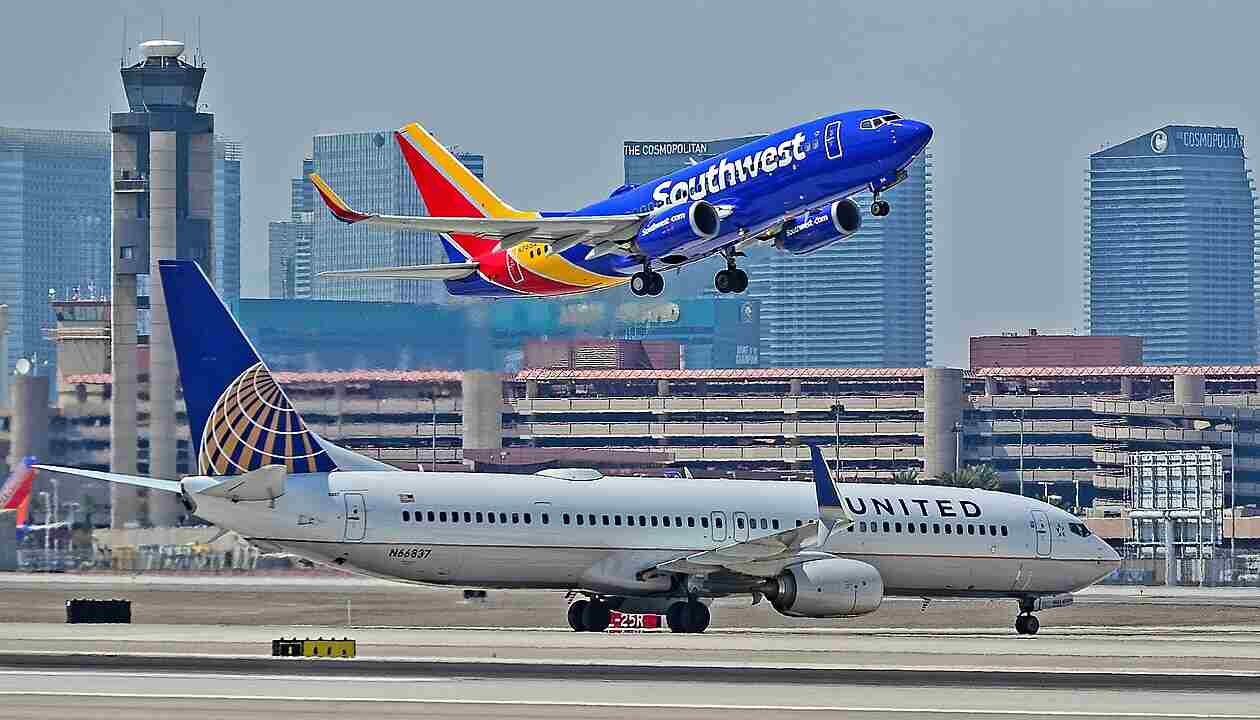
The arrests reflect a broader policy shift. A 2025 agreement allows the security agency to share passenger data with immigration authorities, expanding the focus beyond people with active criminal warrants or final removal orders.
The change is already reaching airport terminals. Agents have made arrests in ticketing areas, security checkpoints and boarding gates, including at more than 15 major hubs.
Passenger data now reaches immigration officers before flights
The Secure Flight Program gives the security agency advance passenger information 72 hours before a flight. Under the 2025 agreement, immigration officers can use that information to identify routine immigration violators, including people who overstayed visas.
The arrangement gives officers a traveler’s identity and schedule before departure. Airports therefore provide a concentrated setting for enforcement, with travelers carrying verified identification and moving through predictable checkpoints.
Reports have placed the airport arrest total at as many as three dozen daily arrests. Internal memos also describe a nationwide target of about 2,000 to 3,000 daily immigration arrests.
Those figures cover different operations. The airport number concerns arrests tied to travel hubs, while the larger target applies across the country.
The airport activity has included San Francisco International Airport, Houston’s George Bush Intercontinental Airport, Denver International Airport and Washington Dulles International Airport. Other major hubs have also seen arrests.
DHS defends the airport crackdown as a security measure
A DHS spokesperson said July 29, 2026, that the administration had reversed the prior approach to domestic air travel.
"DHS reversed the horrendous Biden-era policy that allowed aliens in our country illegally to jet around our country. Under President Trump, DHS will no longer tolerate this. This administration is working diligently to ensure that aliens in our country illegally can no longer fly unless it is out of our country to self-deport."
The department also defended the information-sharing arrangement on August 7, 2026, after lawmakers proposed legislation to block it.
"Information sharing between ICE and TSA is essential in identifying who is attempting to travel in our country. As we approach the 25th anniversary of the horrific terror attacks of 9/11, it's not shocking that some in the Democrat Party would want to neuter the Department of Homeland Security’s ability to protect Americans from terrorists."
The statement linked the airport program to counterterrorism and immigration enforcement. DHS has described the current approach as a reversal of earlier policies that kept civil immigration enforcement away from transit hubs to limit disruption to domestic travel.
Arrests reach travelers with pending immigration cases
The enforcement has not been limited to people with criminal records. Foreign nationals with active asylum cases, green-card applications or work-permit extensions have been detained, according to reports on the airport operations.
A pending application does not itself create a right to fly domestically when the underlying visa has expired, DHS has said. That position has placed travelers with unresolved applications in the same airport enforcement environment as other immigration violators.
The affected group includes technology workers and other skilled professionals facing delays in visa processing. Spouses of U.S. citizens awaiting adjustment of status have also been among those detained.
One reported case involved an asylum seeker with sickle cell anemia who uses a wheelchair. The cases show how the airport arrests can affect people whose immigration matters remain in progress rather than people already convicted of crimes.
Airlines seek clearer rules before passenger disruptions grow
The discussions with carriers center on how the arrests affect flights, airport operations and customer experience. Delta, United and American are participating in talks with the administration.
Southwest has taken a separate public position on passenger information. The airline recently emphasized that it requires appropriate legal documentation before providing customer data to law enforcement.
That approach places documentation at the center of airline handling. Carriers must respond when officers seek information or access, while travelers may encounter enforcement in spaces normally associated with check-in, screening or boarding.
The agencies have not confined activity to a single airport or region. San Francisco, Houston, Denver and Washington Dulles are among the named locations, and the arrests have extended to more than 15 large hubs.
The 2025 agreement changed the earlier enforcement threshold
Before the current arrangement, federal agencies generally avoided civil immigration enforcement in transit hubs. The stated concern was that arrests could interfere with domestic travel and airport operations.
The newer system permits screening against immigration records for routine violations such as visa overstays. Officers no longer need to focus only on travelers with active criminal warrants or final orders of removal.
The administration considers airports high-yield locations. Passenger identities are checked, itineraries are known and officers can review case information before travelers reach a gate.
That access also explains why airlines are seeking discussions with federal officials. An arrest at a ticket counter or boarding gate can affect the traveler directly while creating operational complications for the carrier and other passengers.
The program remains tied to the Secure Flight process, which supplies information before departure. Travelers with unresolved cases and delayed immigration documents now face that review while moving through ordinary domestic airport procedures.