- Singapore investigators blamed radar under-detection for the severe turbulence incident on flight SQ321.
- The aircraft experienced extreme G-force swings from +1.35G to -1.5G within just 0.6 seconds.
- Maintenance records revealed repeated radar failures across thousands of flights prior to the 2024 accident.
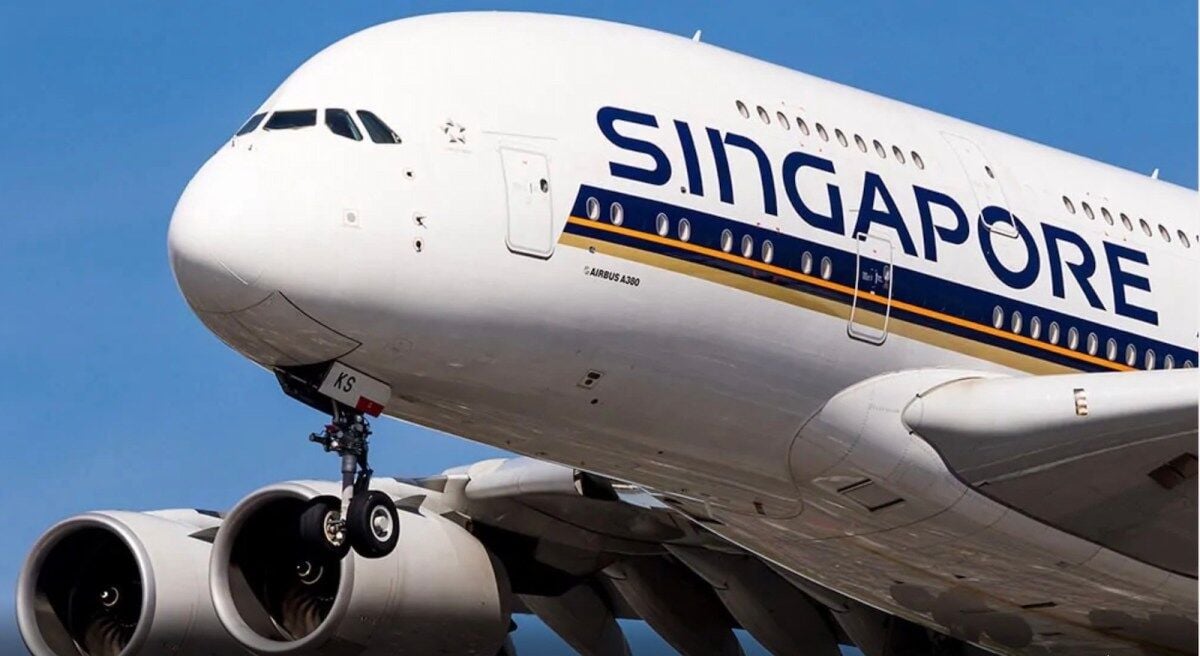
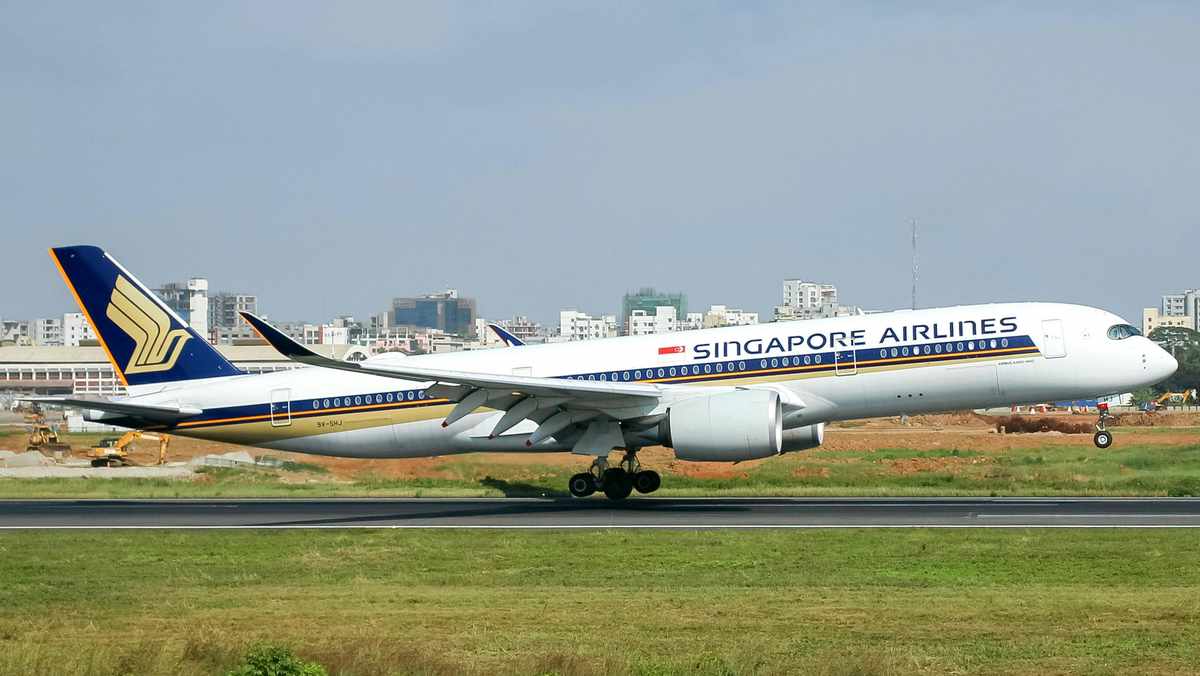
(MYANMAR) — Singapore’s Transport Safety Investigation Bureau released a final report on May 19, 2026 concluding that the weather radar on Singapore Airlines flight SQ321 likely under-detected or failed to display the true severity of the weather before the aircraft hit severe turbulence over Myanmar on May 21, 2024.
The incident injured 79 people and killed 1 passenger, who died of a heart attack after the turbulence. Investigators said the crew reported that neither visual checks nor the radar showed dangerous weather before the upset.
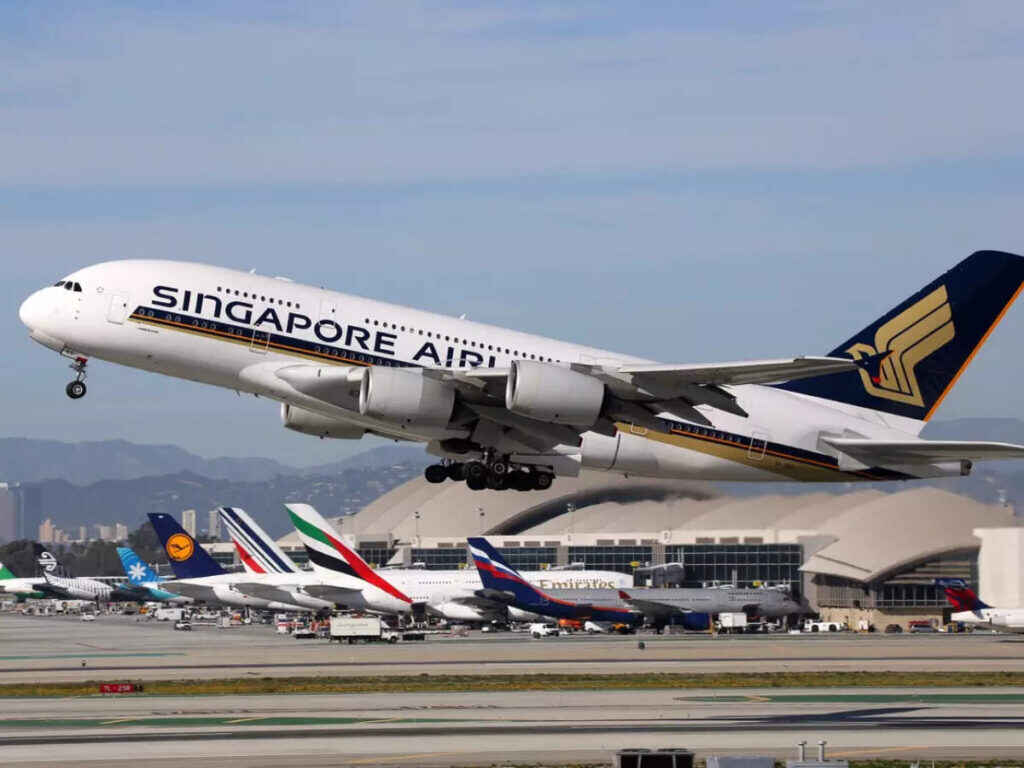
TSIB said the system may have been “under-painting” or “no-painting”, terms investigators used to describe weather under-detection or a complete failure to detect weather. Those findings put the aircraft’s weather radar at the center of the inquiry nearly two years after the flight.
Earlier findings from the investigation described a violent sequence in the cockpit and cabin. The aircraft’s vertical acceleration changed from +1.35G to -1.5G within 0.6 seconds, then from -1.5G to +1.5G within 4 seconds, while the jet lost 178 feet of altitude in 4.6 seconds.
That movement helps explain the toll on passengers and crew. A rapid downward change in G-force can lift people from their seats if they are not belted in, and the report’s figures showed a sharp swing before the aircraft stabilized.
Investigators reached their radar conclusion after reviewing maintenance records across roughly 29,000 flights. That broader review found 12 cases of weather under-detection and 20 cases where weather was not detected at all.
Within that larger set, TSIB identified three flights involving the same aircraft before the SQ321 incident. On April 29, 2024, the radar under-detected weather. On May 1, 2024, it again under-detected weather. On May 15, 2024, weather was entirely undetected.
Pilots reported no fault messages in all three cases, and post-flight checks found no faults. That gap between flight crew observations and maintenance findings became one of the report’s central technical findings.
The same pattern appeared again after the turbulence event. On May 26, 2024, pilots ferrying the aircraft from Bangkok to Singapore found that one of the radars was under-detecting weather.
TSIB’s report said the crew on the incident flight had no visible sign of dangerous weather and no radar indication that reflected its true severity before the aircraft encountered the disturbance. In practical terms, the report pointed to a weather radar picture that did not match conditions ahead.
The final report did not accuse the crew of ignoring a clear threat. Instead, it recorded that the crew said neither visual checks nor the onboard system showed dangerous weather before the severe turbulence struck.
That distinction matters in aviation investigations because airborne radar is one of the main tools crews use to judge weather ahead, especially when convective activity or turbulence risks are not visually obvious. On SQ321, investigators said the displayed picture likely understated the hazard.
The manufacturer disputed that point. The radar manufacturer said it found “no evidence” that the system failed to accurately detect and display weather during the incident flight.
That left investigators with two competing technical positions inside the same case file: a final bureau finding that the radar likely under-detected or failed to display the true severity of the weather, and a manufacturer position that its own review found no evidence of such a failure on that flight.
TSIB also said the aircraft’s weather radar components had been sent to the United States for examination and testing. Those results were still pending in an interim update published on May 27, 2025.
The timing of that pending work showed how long the technical review extended beyond the flight itself. Investigators issued their final report on May 19, 2026, nearly two years after the turbulence event over Myanmar.
The bureau’s use of the terms “under-painting” and “no-painting” gave the final report an unusually specific technical focus. In radar language, the first points to weather that appears weaker than it is, while the second describes weather that does not appear on the display at all.
Either condition can affect what pilots believe lies ahead. If returns are weaker than the actual weather, a crew may see a manageable area instead of a threat. If returns do not appear at all, the display offers no warning of the conditions in front of the aircraft.
TSIB’s maintenance review suggested the issue was not confined to the incident flight alone. Across roughly 29,000 flights, investigators found repeated instances in which weather was not shown accurately enough or was missed entirely.
Yet the report also showed how difficult such problems can be to isolate through normal checks. On the three pre-incident dates tied to SQ321, pilots reported no fault messages and maintenance inspections found no faults after landing.
That pattern can complicate efforts to diagnose intermittent radar performance. A system may appear normal during a ground inspection even after a crew reports that the weather picture in flight did not reflect actual conditions.
The May 26, 2024 ferry flight added a concrete post-incident data point. Pilots moving the aircraft from Bangkok to Singapore found that one of the radars was under-detecting weather, giving investigators an observation closer in time to the turbulence event itself.
Even so, the technical picture remained unsettled. The manufacturer maintained that it found “no evidence” of a failure to accurately detect and display weather during SQ321, while TSIB concluded the radar probably did not show the true severity of the weather before the upset.
The report’s findings are likely to draw attention across the aviation industry because they touch on three areas that shape in-flight weather awareness: display accuracy, pilot interpretation of radar returns, and the maintenance trail left by intermittent faults. The case also raises questions about how operators record and track reports that do not trigger fault messages.
Those questions do not change the report’s direct finding about the flight itself. SQ321 encountered severe turbulence over Myanmar on May 21, 2024, and investigators concluded in their final report that the weather radar likely under-detected or failed to display the true severity of the weather beforehand.
The acceleration figures remain among the starkest details in the case. A swing from +1.35G to -1.5G within 0.6 seconds, followed by a reversal from -1.5G to +1.5G within 4 seconds, compressed the event into seconds and left little margin for anyone not secured.
The altitude loss was also abrupt. The aircraft dropped 178 feet in 4.6 seconds.
Those numbers, combined with the casualty count, explain why the final report drew close attention beyond Singapore. Severe turbulence incidents are rare, but this one produced both a death and dozens of injuries, then evolved into a technical investigation over whether the aircraft’s weather radar had shown the crew enough warning.
TSIB’s review did not rest on a single datapoint. It connected the incident flight, the three earlier dates of radar performance concerns on the same aircraft, the wider review of roughly 29,000 flights, and the ferry flight finding on May 26, 2024.
That sequence gave the bureau grounds to describe a pattern rather than an isolated anomaly. At the same time, the pending component testing noted in the interim update published on May 27, 2025 showed that some technical work remained unresolved well into the investigation.
In the final accounting, the report tied a fatal cabin event to a system that likely failed to present the weather as it truly was. The crew saw no dangerous weather, the display gave no warning that matched the threat ahead, and within seconds SQ321 plunged through forces that injured 79 people and left 1 passenger dead of a heart attack.