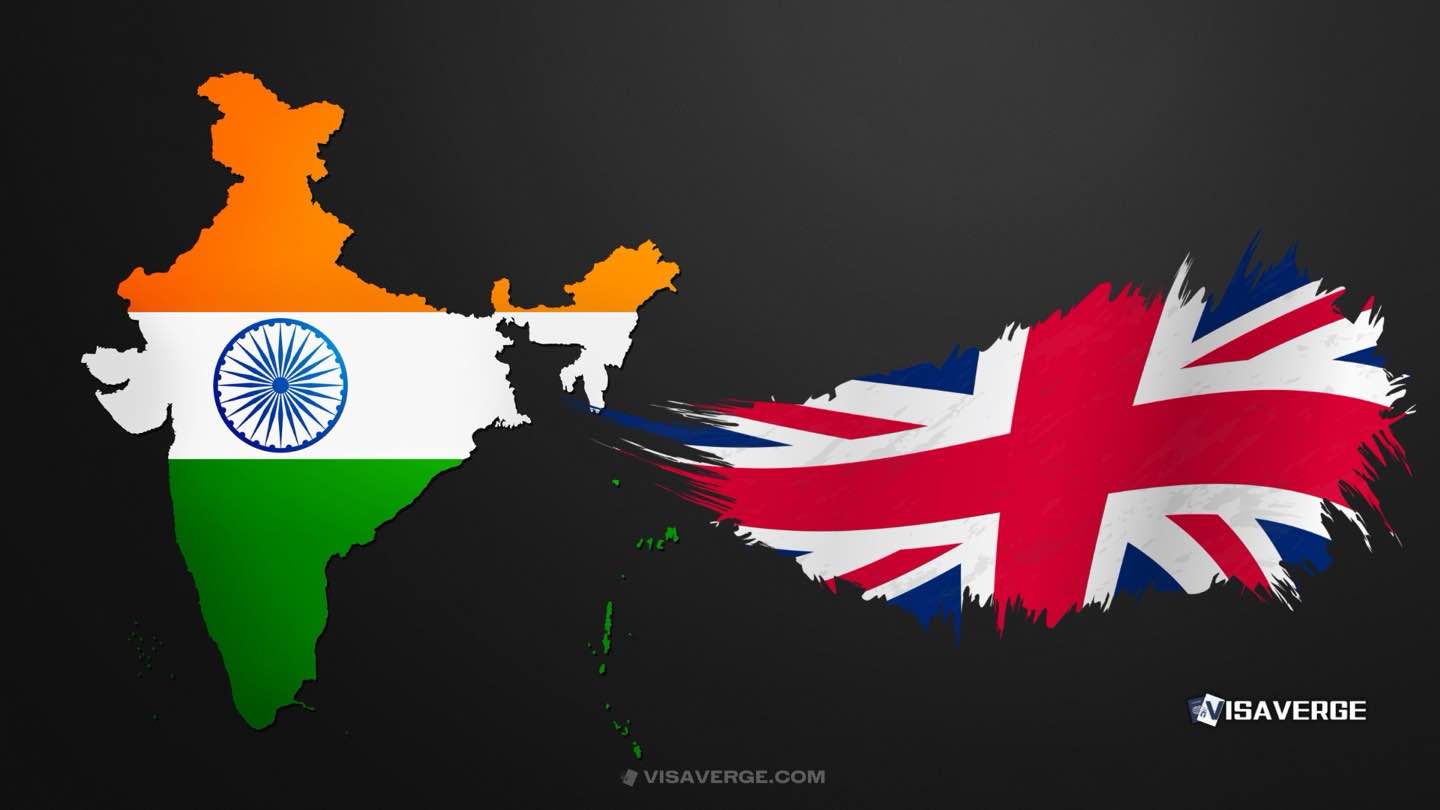
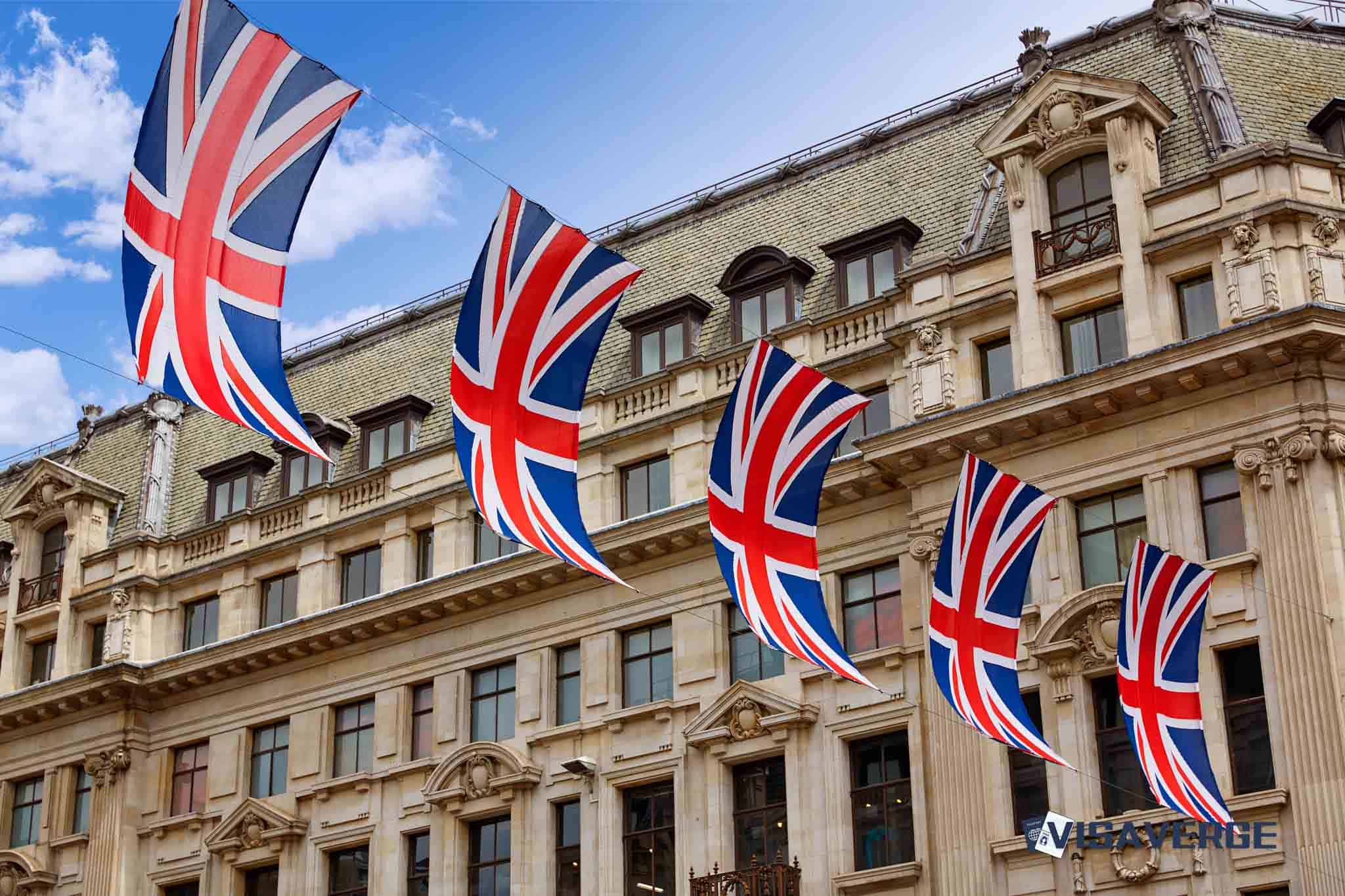
- The India-UK Free Trade Agreement entered into force today July 15, 2026, removing major trade barriers.
- Indian exporters now enjoy 99% duty-free access to the United Kingdom’s market across key industrial sectors.
- The pact targets a total bilateral trade volume of $100 billion by the year 2030.
India's trade pact with Britain took effect on 15 July 2026, giving Indian exporters wider duty-free access in the UK and starting phased tariff cuts for British goods in India. The change is immediate.
The India–UK CETA, formally the UK–India Free Trade Agreement, is one of the biggest trade deals of modern times, the UK government says. It reaches beyond goods. Services now sit inside the bargain.
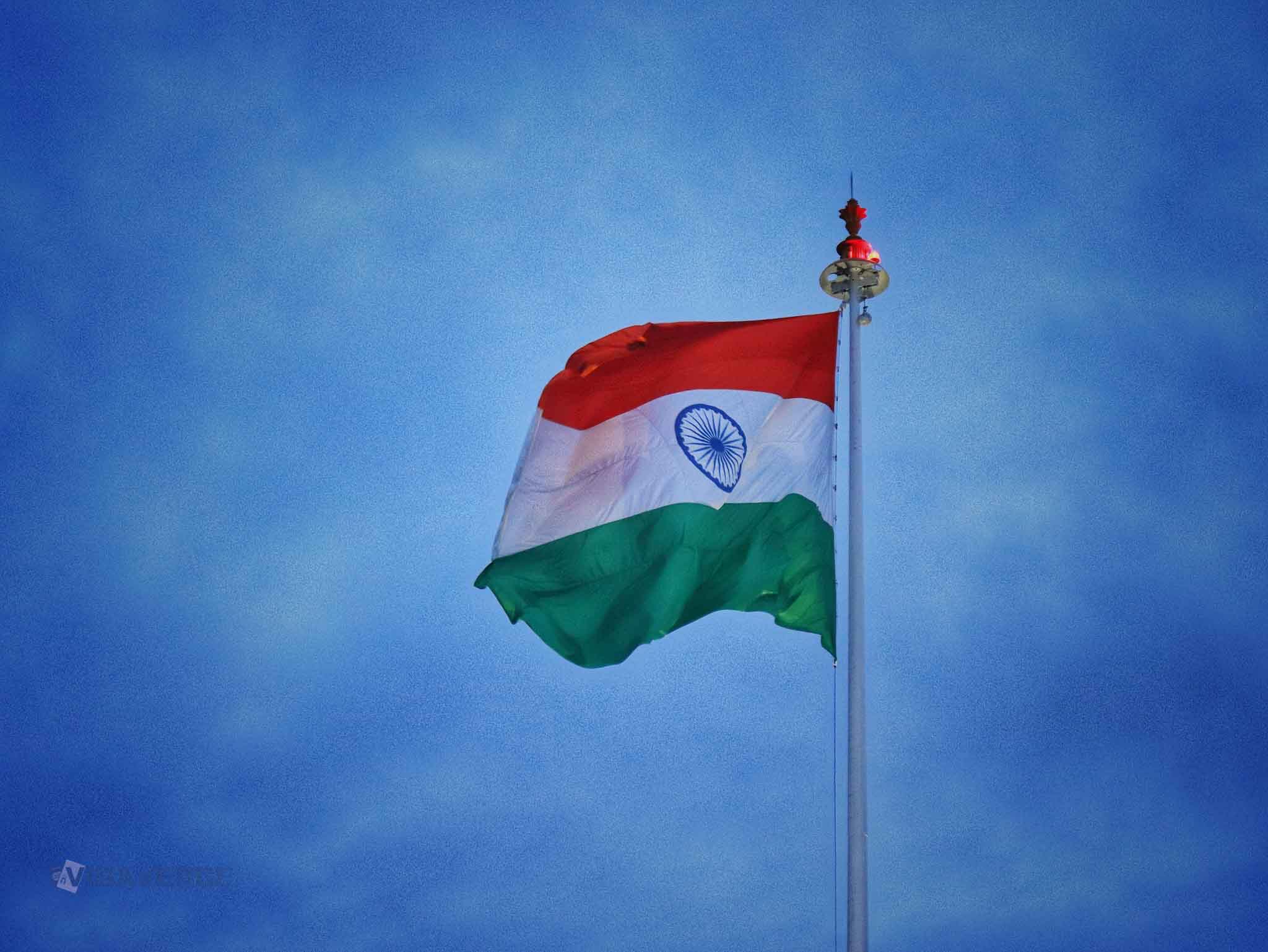
The agreement widens access in procurement, financial services, education, insurance and professional services, and it opens new room for professional mobility. The package is broader than tariffs. It changes where firms can compete.
Indian exporters stand to benefit across textiles, leather, footwear, marine products, gems and jewellery, processed foods, engineering goods, auto components, chemicals and pharmaceuticals. Those sectors carry the heaviest early gains. Factories will watch them first.
The access split is clear.
| Market access point | Treatment |
|---|---|
| Indian goods entering the UK | 99% get duty-free or reduced-tariff treatment |
| UK goods entering India | 90% face lower tariffs or duty-free treatment over time |
| India at entry into force | Tariffs removed on 64% of tariff lines |
| India after 10 years | 85% of tariff lines eligible for tariff-free entry |
India kept its pace slower on sensitive lines. The staging runs ten years. That was deliberate.
India cut tariffs in stages
The UK government says India will remove or reduce tariffs on 90% of tariff lines, covering 92% of existing goods imports from the UK based on 2022 trade. Sensitive lines do not disappear at once. The phase-in matters.
Britain also opens its government procurement market, estimated at about £90 billion ($121 billion), to Indian suppliers. India offers reciprocal opportunities worth around $114 billion. Contracts now sit beside customs rules.
The political signal reaches beyond customs
Commerce and Industry Minister Piyush Goyal called the agreement India's "most comprehensive" trade pact to date and a "template" for future free trade agreements. He is setting a marker. The broader target is $100 billion by 2030.
The parallel convention eases worker movement
A parallel agreement, the Double Contribution Convention, also took effect on 15 July 2026. It reduces social security friction for employees and employers moving between the two countries. The paperwork gets lighter.
Officials and businesses are now watching whether the pact can lift trade toward $100 billion by 2030. That is the next test.