- The U.S. State Department warned EB-1 India could run out before September 30, 2026 if demand stays high.
- September 2026 Visa Bulletin sets EB-1 India Final Action Date at October 15, 2022 for all EB-1 subgroups.
- If numbers are exhausted, final approvals and visa issuance could stop until FY2027 begins on October 1.
Indian professionals seeking EB-1 Green Cards face a new risk after the government warned that visa numbers for the category could run out before September 30, 2026. The warning is conditional.
The U.S. State Department said heavy demand from applicants chargeable to India could push EB-1 to its fiscal-year limit in the coming weeks. It has not declared EB-1 India unavailable.
The September 2026 Visa Bulletin lists October 15, 2022, as the EB-1 India Final Action Date. Applicants generally need a priority date earlier than that date for final action during September, subject to the other eligibility rules and available numbers.
A current date may not be enough. If the remaining allocation is exhausted, final approvals requiring an immigrant visa number could stop for the rest of FY2026.
The department said it will keep watching demand and visa-number use. It may make adjustments if needed.
Indian applicants are already seeing pressure elsewhere in the employment-based system. EB-2 India has exhausted its FY2026 allocation, while EB-3 India remains far behind.
India’s employment categories are under pressure at different points
EB-1 is the first employment-based preference category for “priority workers.” It covers three principal groups:
| Category | Main group covered | September 2026 position |
|---|---|---|
| EB-1A | People with extraordinary ability in sciences, arts, education, business or athletics | Final Action Date of October 15, 2022 for India |
| EB-1B | Outstanding professors and researchers | Final Action Date of October 15, 2022 for India |
| EB-1C | Certain multinational managers and executives transferring to a related U.S. entity | Final Action Date of October 15, 2022 for India |
| EB-2 India | Advanced-degree professionals and other qualifying workers | FY2026 allocation exhausted |
| EB-3 India | Employment-based applicants in the third preference category | Final Action Date of January 1, 2014 |
The May 22, 2026, announcement on EB-2 closed another route for the fiscal year. U.S. embassies and consulates cannot issue additional EB-2 immigrant visas to applicants chargeable to India until FY2027 begins.
EB-3 presents a longer queue. An approved I-140 petition alone does not make a worker eligible for final approval when the priority date remains later than January 1, 2014.
EB-1 has therefore become especially important to Indian professionals facing long waits in EB-2 and EB-3. The category includes highly accomplished professionals, researchers and multinational executives.
Statutory limits are driving the squeeze
Demand is colliding with annual and per-country limits set by immigration law. The worldwide employment-based preference limit for FY2026 is 186,317 visas.
The basic FY2026 per-country limit is 28,862. That figure represents 7% of the combined annual family-sponsored and employment-based limits. After specified EB-5 carryover numbers are included, the department says the figure becomes 29,136.
India’s employment-based demand exceeds the supply available under those rules. The result is a queue that can last many years in oversubscribed categories.
Congress controls the statutory numbers. The executive branch administers them but cannot simply remove the annual or per-country limits because demand is high.
The department can also move dates backward. Such retrogression may occur when additional demand threatens the annual numerical ceiling, meaning an applicant current in one month can become non-current later.
An unavailable category pauses final approval, not the underlying case
“Unavailable” refers to visa-number availability during the applicable period. It does not abolish EB-1 for Indian nationals, cancel an approved Form I-140, erase a priority date or automatically end an underlying status such as H-1B.
USCIS cannot approve an adjustment-of-status case requiring a visa number while none is available. A U.S. embassy or consulate likewise cannot issue the immigrant visa during that gap.
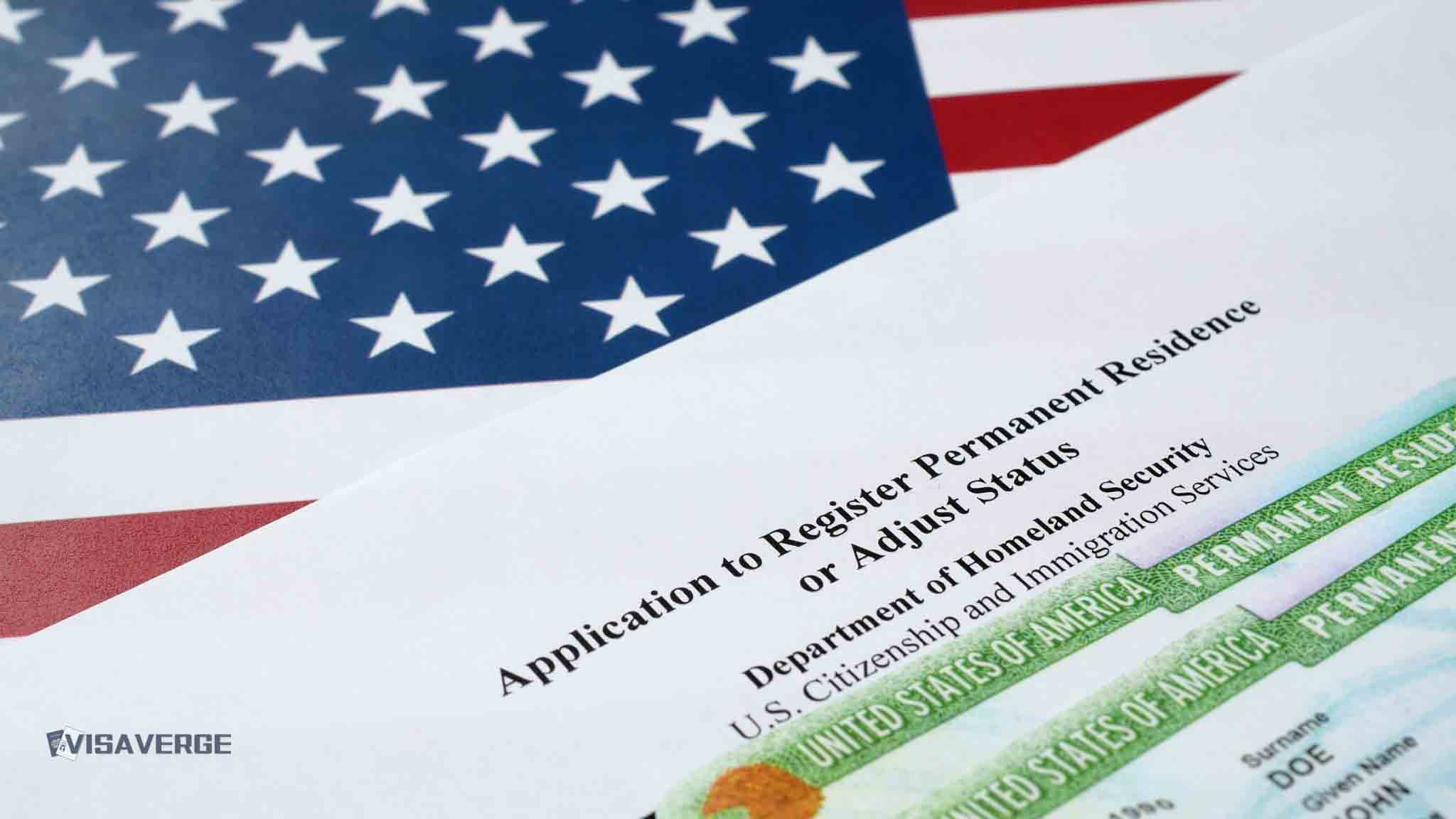
A pending Form I-485, Application to Register Permanent Residence or Adjust Status does not simply disappear if the category later becomes unavailable. An applicant who filed while the priority date was current may continue waiting in the pending case.
Final approval still requires a visa number. That remains true even if the applicant has completed biometrics, submitted medical documentation, attended a required interview and satisfied other USCIS requirements.
The petition and the visa number involve separate stages. USCIS may decide whether the worker and employer meet the immigrant classification requirements, while the bulletin controls when the applicant can receive final permanent-residence approval.
Applicants with approved petitions therefore do not automatically lose the underlying immigrant classification when numbers are temporarily exhausted.
October 1 starts a new allocation, but not an automatic approval
The federal fiscal year ends September 30, 2026. New annual employment-based numbers become available when FY2027 starts on October 1, 2026.
The government has already described that reset in connection with EB-2 India. After using the FY2026 allocation, the department said the annual limits would reset with FY2027 on October 1, allowing qualified applicants to receive immigrant visas when numbers are available.
The same annual-allocation principle could restore EB-1 numbers after a FY2026 exhaustion. But October 1 will not automatically produce green cards for every waiting applicant.
The FY2027 bulletin will control the next stage. Priority dates, demand and the statutory numerical limits will still determine who can move to final action.
That bulletin will also show whether the EB-1 India date advances, stalls or retrogresses. Visa availability is not guaranteed to move forward each month.
Applicants should keep cases moving through the fiscal-year change
- Confirm the priority date and category. Applicants should identify the exact priority date attached to the relevant employment-based preference category.
- Monitor eligible EB-1 cases closely. A priority date eligible for final action in September can face a changed outcome if numbers are exhausted before the fiscal year closes.
- Answer USCIS requests promptly. People with pending
I-485cases should respond to any Request for Evidence or other case-specific request. A possible visa-number shortage does not remove those obligations. - Continue consular-processing steps. Applicants should follow instructions from the National Visa Center and the relevant U.S. embassy or consulate.
- Check both monthly sources of filing guidance. Applicants should review the department’s bulletin and USCIS’s monthly determination of which bulletin chart may be used for adjustment-of-status filings.
Processing times and fees can change. Applicants should verify current case information and filing guidance at uscis.gov.
The next bulletin will show whether the category carries forward its September position into FY2027. Until then, the operative deadline remains September 30, 2026, when the FY2026 numbers expire.