- NFAP projected a 179-year wait for some Indian EB-2 filers starting January 2026 or later.
- India accounts for 79% of 1.26 million people waiting in the first three employment-based categories.
- USCIS inventory showed 482,672 Indian petitions awaiting visa numbers in March 2026.
The National Foundation for American Policy projected a 179-year wait for an Indian worker filing in January 2026 or later under the second employment-based preference category. The estimate also puts the wait at 38 years in the third category.
The analysis, published August 26, 2026, covers the employment-based green card backlog affecting Indian workers. It estimates nearly 1 million Indians are waiting across the first three employment-based preference categories.
The figures are projections, not legal deadlines. They show the scale of a queue that has grown beyond ordinary career planning.
The National Foundation for American Policy said the wait for Indians in the second and third categories is more likely to span decades than years.
“For individuals in the EB-2 or EB-3 category from India, the wait is more likely to be measured in decades than in years.”
The first preference category presents a shorter, though still lengthy, estimate. Indian applicants there face a projected wait of 4 to 5 years.
India accounts for most of the first three employment-based queues
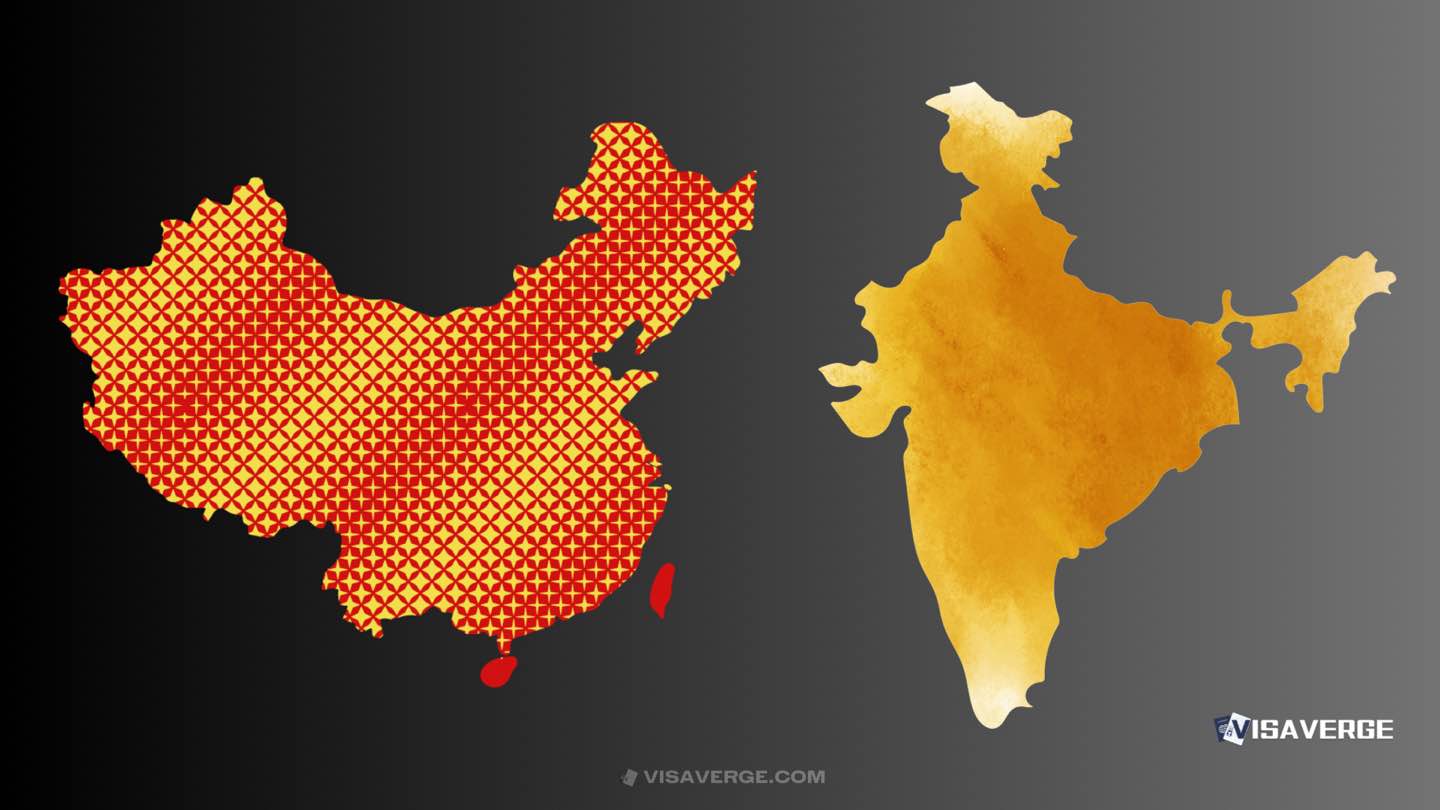
Indian nationals represent about 79% of the estimated 1.26 million people waiting in the first three employment-based categories, according to the analysis. That concentration reflects both the size of Indian demand and limits on how many employment-based immigrant visas one country can receive.
The categories cover different workers. The second preference category includes professionals with advanced degrees and people with exceptional ability. The third covers professionals, skilled workers, and other workers.
Demand from India has exceeded the available supply of employment-based immigrant visas for years. The per-country cap has helped turn that imbalance into a queue measured across decades.
The wait begins after an employer’s labor certification application or employment-based immigrant petition enters the process. The projection applies to an Indian national whose filing began in January 2026 or later.
The March inventory shows nearly half a million Indian petitions awaiting visa numbers
A USCIS-related inventory counted 878,542 approved employment-based petitions waiting for visa numbers as of March 2026. India accounted for 482,672 of those petitions.
The India share is also visible inside the second preference category. India held 351,142 of 391,561 pending approvals worldwide in that category, according to the same inventory.
The numbers measure approved petitions waiting for visa numbers. They are not the same as every pending adjustment application.
| Inventory measure | Total | India |
|---|---|---|
| Approved employment-based petitions waiting for visa numbers, March 2026 | 878,542 | 482,672 |
| Pending second-preference approvals | 391,561 | 351,142 |
That distinction helps explain why different estimates circulate. The nearly 1 million figure covers people waiting in the first three employment-based preference categories, while the inventory provides a snapshot of approved petitions awaiting visa numbers.
The second preference category has exhausted its fiscal-year supply
A separate August 2026 inventory listed India’s pending employment-based adjustment applications by category. It recorded 19,261 in the first preference category, 27,981 in the second, and 16,206 in the third.
The second preference category had already exhausted India’s FY2026 allocation. Visa bulletin coverage listed the category as Unavailable for the rest of FY2026, meaning the government would issue no additional numbers in that category during the fiscal year.
The third preference category remained backlogged. Employment-based categories were also moving more slowly than family-based categories in the August 2026 visa bulletin coverage.
An adjustment application is a separate stage from an approved petition waiting for a visa number. The two inventories therefore describe different parts of the same broader process.
The queue can also change if applicants leave the process or if Congress changes the rules governing employment-based visas. The estimate assumes conditions that may not remain constant.
For now, the immediate constraint is visible in the visa bulletin. India’s second preference allocation is exhausted for FY2026, while thousands of adjustment applications remain listed in the August inventory.
The analysis places Indian demand at the center of the employment-based queue. The current records show why: India holds 482,672 approved petitions awaiting visa numbers in the March inventory, and its second preference allocation is unavailable for the remainder of FY2026.