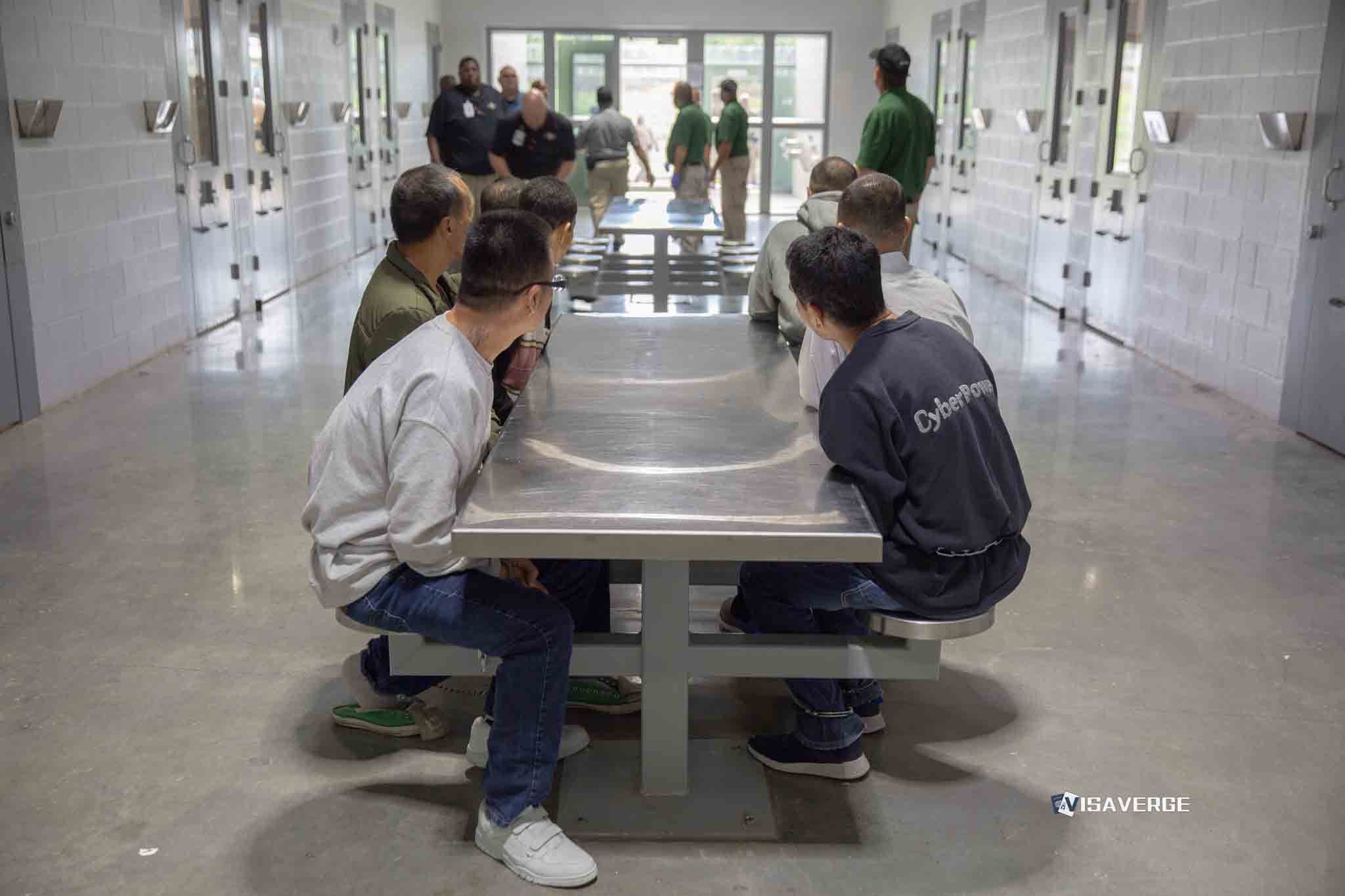
- San Antonio refugee families face SNAP ineligibility while green card applications remain pending.
- USCIS data show a 7.7-month median for refugee Form I-485 cases through May 31, 2026.
- Advocates say some families have waited years for green cards, despite expected eligibility.
Green card delays are leaving some San Antonio refugee families unable to qualify for SNAP benefits while their permanent-residency applications remain pending. The Center for Refugee Services says some refugees who should already have received green cards are still waiting.
The missing documents can block food assistance. Applicants may be treated as ineligible while they wait for the cards tied to their immigration cases.
Free toolCSPA Age-Out Calculator Online
The families described in the report have not necessarily been found ineligible for permanent residence. Their cases are still pending, creating a gap between expected immigration status and access to benefits.
Anna Marie Field, director of the Center for Refugee Services, described that gap this way:
“These are families who should have received a green card. They are eligible to receive the green card, and because they don't have it, they're ineligible for the SNAP benefits.”
The organization’s account centers on documentation. A family can remain eligible to receive permanent residence while lacking the card used to establish access under current benefit rules.
SNAP, the Supplemental Nutrition Assistance Program, helps eligible low-income households pay for food. The dispute concerns access during the waiting period, not only after an application is completed.
The historical median is shorter than the waits described by advocates
USCIS historical processing data provide a benchmark for refugee-based Form I-485 applications. The figures cover fiscal year 2026 through May 31, 2026.
| Measure | Reported timing |
|---|---|
Median processing time for refugee-based Form I-485 applications | 7.7 months |
| Wait described by the Center for Refugee Services for some clients | Years |
A median describes the middle point in a group of cases. It does not set a deadline for every applicant.
Field said some clients have waited far beyond that benchmark. She also gave a shorter description of the longest cases:
“We’ve had people waiting years to receive their green cards.”
That contrast shows why the historical figure does not resolve individual cases. A case can remain open well beyond the median, leaving a family without the document that benefit officials may require.
The reported problem therefore has two timelines. USCIS processing data measure completed case movement, while families experience the period before their cards arrive.
Federal changes made the waiting period harder for some noncitizens
Federal changes enacted in 2025 narrowed SNAP eligibility for certain noncitizens. The change added a hurdle for refugee families whose immigration paperwork had not yet caught up with their expected permanent-resident status.
The benefit program helps households pay for food, but eligibility rules still control who can receive it. A pending adjustment case can leave a family waiting on both a decision and the document needed to establish eligibility.
The result described by advocates is a temporary loss of access during the case. Families may be expected to qualify once their green cards arrive, but treated differently before that point.
That distinction also separates the reported cases from an ordinary delay in receiving a benefit payment. The issue is whether the household qualifies under the rules applied while its residency application remains unresolved.
Pending residency documents can determine access before cases finish
Families without permanent resident cards may be treated as ineligible even when they are otherwise expected to qualify after the cards arrive. The immigration application and the benefit determination can therefore move at different speeds.
The Center for Refugee Services says that mismatch is affecting clients now. The report was published August 28, 2026.
Field’s comments describe families who are eligible to receive the green card but continue waiting for it. Their food-assistance access can remain blocked throughout that wait.
The reported median does not capture those individual cases. Some waits extend to years.
The public-charge rule does not govern these families’ exemption
USCIS announced a new public-charge rule on August 18, 2026, with an effective date of September 18, 2026. Refugees and asylees remain exempt from that test.
The families described in the report are being affected by residency-processing delays and SNAP eligibility rules, not by the new public-charge rule itself. That rule does not remove the exemption identified for refugees and asylees.
The immediate issue remains the unresolved period before permanent resident cards arrive. Field said some families have waited years.