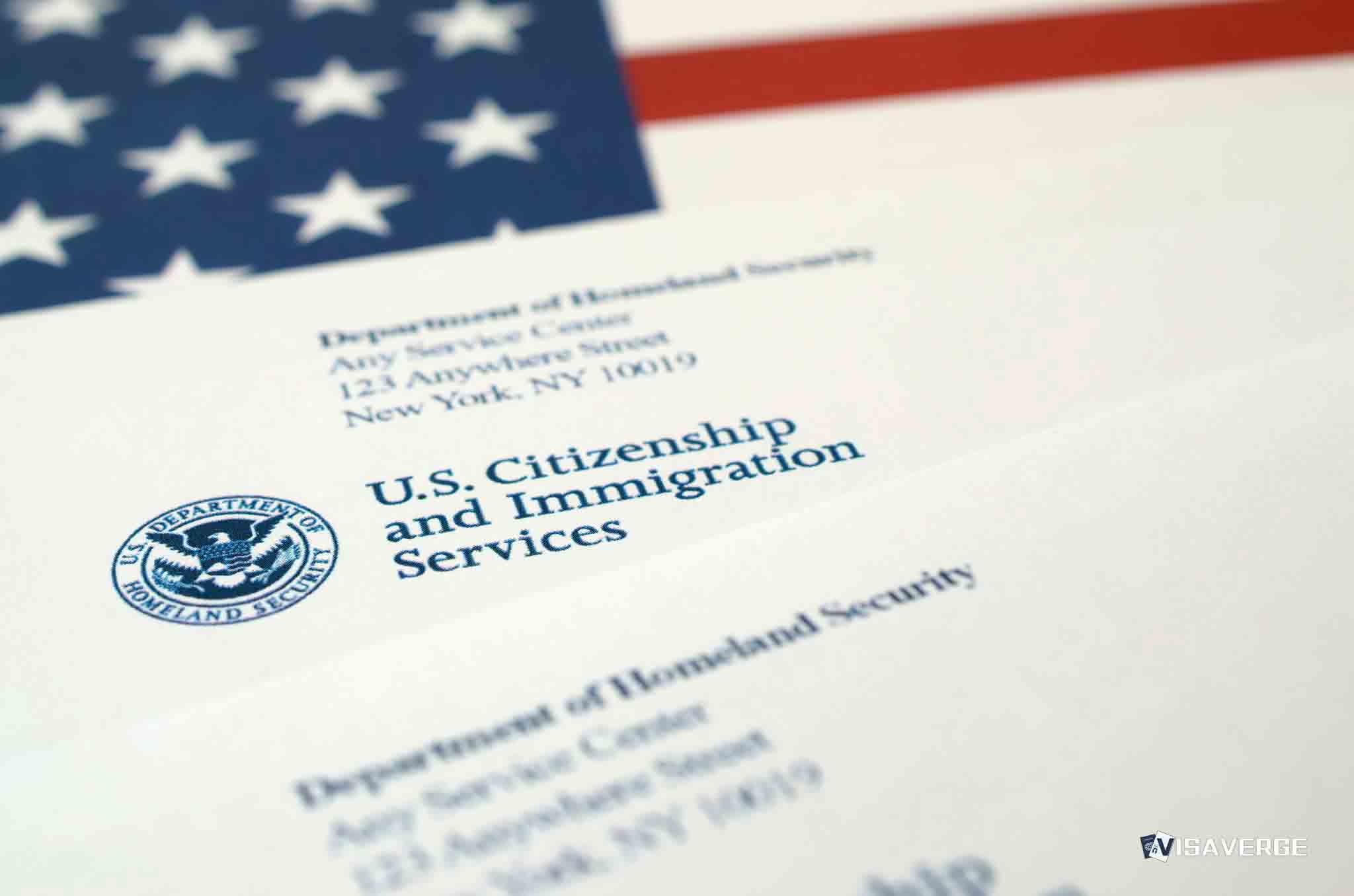
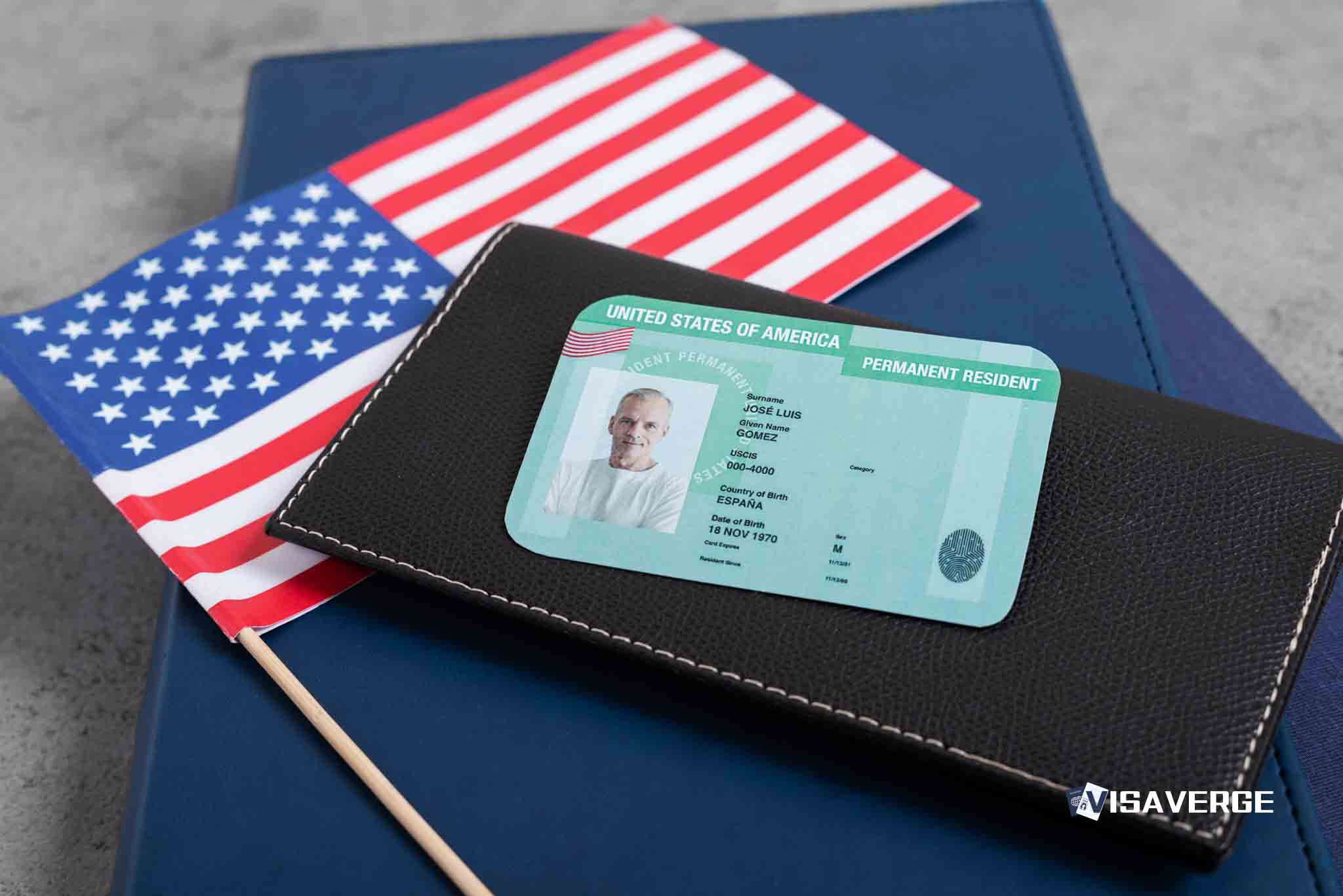
New York City Mayor Zohran Mamdani and New York Attorney General Letitia James filed a lawsuit on September 14, 2026 to block the Trump administration’s expanded public charge rule from being used to deny green cards and visas based on welfare use. The challenge targets the finalized rule, which USCIS says takes effect on September 18, 2026 and applies to adjustment-of-status filings on or after that date.
- USCIS says benefits received before September 18, 2026 will be judged under the narrower earlier standard, while benefits received on or after that date can include cash assistance, housing assistance, food stamps, financial aid for college, and similar benefits.
- The lawsuit seeks to stop the administration from denying visa and green card applications based on welfare status under the expanded public charge policy.
- DHS announced the final rule on July 16, 2026, and USCIS says it was formally published on July 20, 2026.
- USCIS says the public charge test still applies to all adjustment-of-status applicants unless they are in an exempt category.
- Democratic lawmakers introduced the Protect American Values Act to block new public charge enforcement.
- The rule allows officers to weigh non-cash benefits like SNAP and Medicaid for green card applicants.
- New regulations are scheduled to take effect September 18, 2026, despite ongoing legislative and court challenges.
Democratic lawmakers introduced legislation Wednesday to stop the Trump administration from enforcing its new public charge rule, which will let immigration officers weigh some non-cash benefits when reviewing applications for a green card.
Free toolCSPA Age-Out Calculator OnlineSenators Michael Bennet of Colorado and Mazie Hirono of Hawaii, together with Representative Judy Chu of California, filed the Protect American Values Act on August 12, 2026. The bill would bar federal funds from implementing or enforcing the administration’s finalized rule.
The regulation, published on July 16, will take effect September 18, 2026. It rescinds a 2022 regulation issued under President Joe Biden and gives officers broader authority to consider applicants’ use of SNAP, Medicaid and housing assistance.
Democrats say the rule gives adjudicators too much room to make subjective decisions. Bennet said it was designed to penalize immigrants rather than address border security.
“This rule isn’t about securing our borders. its purpose is to punish immigrants who only seek to make a better life.”
The administration has defended the change as a way to protect taxpayers and restore what officials describe as the original purpose of immigration law. A USCIS spokesperson said the agency would protect Americans from subsidizing people who could become dependent on public benefits.
“The Trump administration is upholding the rule of law and protecting American taxpayers from subsidizing aliens who may become dependent on public benefits. USCIS is committed to safeguarding the safety, security, and financial well-being of Americans”.
The dispute is unfolding alongside other administration changes affecting people seeking permanent residence from inside the United States. Democrats’ broader campaign includes objections to a policy memo that favors consular processing and could require many applicants to leave the country.
A new rule gives officers more benefits to review
The regulation allows consideration of non-cash assistance that the earlier Biden-era framework did not include in the same way. The listed programs include food assistance through SNAP, Medicaid coverage and housing aid.
Supporters of the rule say officers need greater authority to determine whether an applicant might depend on public benefits. Critics say the policy does not provide clear enough standards for decisions that can affect families’ ability to remain together.
Advocacy groups and Democrats warn that mixed-status households could avoid healthcare and nutrition programs because relatives fear using them could damage a future immigration filing. They expect that chilling effect to reach millions of families.
The legislation’s central mechanism is financial. It would prevent federal money from supporting enforcement of the finalized regulation, rather than creating a replacement benefits standard.
A USCIS memo pushes applicants toward consular processing
USCIS issued Policy Memorandum PM-602-0199 on May 21. The memo describes adjustment of status as an “extraordinary form of relief” rather than an entitlement and establishes a preference for consular processing.
That approach could force many people already in the country to complete their applications through an embassy or consulate in their home country. Families and advocacy groups say the resulting separations could last months or years while applicants wait for interviews abroad.
Zach Kahler, a USCIS spokesman, announced the shift on May 22. He said temporary visitors seeking permanent residence would generally need to apply from their home countries, apart from extraordinary cases.
“We’re returning to the original intent of the law to ensure aliens navigate our nation's immigration system properly. From now on, an alien who is in the U.S. temporarily and wants a Green Card must return to their home country to apply, except in extraordinary circumstances”.
The memo has become a separate target for Democrats because it changes where applicants complete the process. The bill introduced by Bennet, Hirono and Chu specifically addresses funding for the benefits-based rule.
Other immigration changes add pressure in 2026
The administration also ended duration-of-status admissions for F, J and I visa holders in a final rule published July 17. Students will receive admission for a fixed period of no more than four years and must file a formal extension of stay to continue beyond that period.
Another policy faced a court setback. On August 5, a federal judge in Washington, D.C., blocked a measure that had frozen applications from 75 countries, including Nigeria, Russia and Egypt. The judge ruled that the State Department had exceeded its authority.
Applicants also face what Democrats and advocates describe as five new tests in 2026. Those measures include more aggressive interview questioning and a requirement to show that an applicant’s presence in the United States serves the national interest.
The developments have produced competing pressures. The administration is expanding officer discretion and encouraging overseas processing, while lawmakers are trying to restrict funding and courts have intervened in at least one country-based freeze.
The September deadline sets the next test
The administration’s benefits rule is scheduled to begin on September 18. Until then, Democrats’ legislation must move through Congress while applicants, families and immigration lawyers prepare for a standard that could examine SNAP, Medicaid and housing assistance.
The USCIS announcement and the adjustment-of-status memo remain the administration’s stated basis for the changes. Bennet, Hirono and Chu are seeking to stop the first measure before it reaches enforcement.