On May 22, 2026, the Trump administration issued a new policy memorandum telling most temporary visa holders seeking green cards to complete the process through consular processing abroad rather than from inside the United States. The guidance keeps adjustment of status available, but USCIS officers are now directed to apply a stricter “totality of the circumstances” review that places greater weight on compliance, fraud history, and credibility even in economic benefit cases.
- The memo says applicants admitted on temporary visas such as tourist, student, and work visas are generally expected to pursue an immigrant visa abroad instead of filing from within the U.S.
- USCIS officers must weigh both favorable and unfavorable factors, including violations of immigration laws, current or prior fraud, false testimony, and conduct after admission that conflicts with the purpose of the nonimmigrant or parole status.
- Favorable factors still include family ties, immigration status and history, moral character, and other relevant equities, but the new framework makes in-country approval more discretionary and less secure.
- The update leaves adjustment of status in place, but it is now presented as a case-by-case pathway rather than the preferred route for people who intend to immigrate.
- New 2026 regulations have tightened public charge screenings and mandatory in-person interviews for all applicants.
- Social media vetting now covers five years of history for all Green Card seekers.
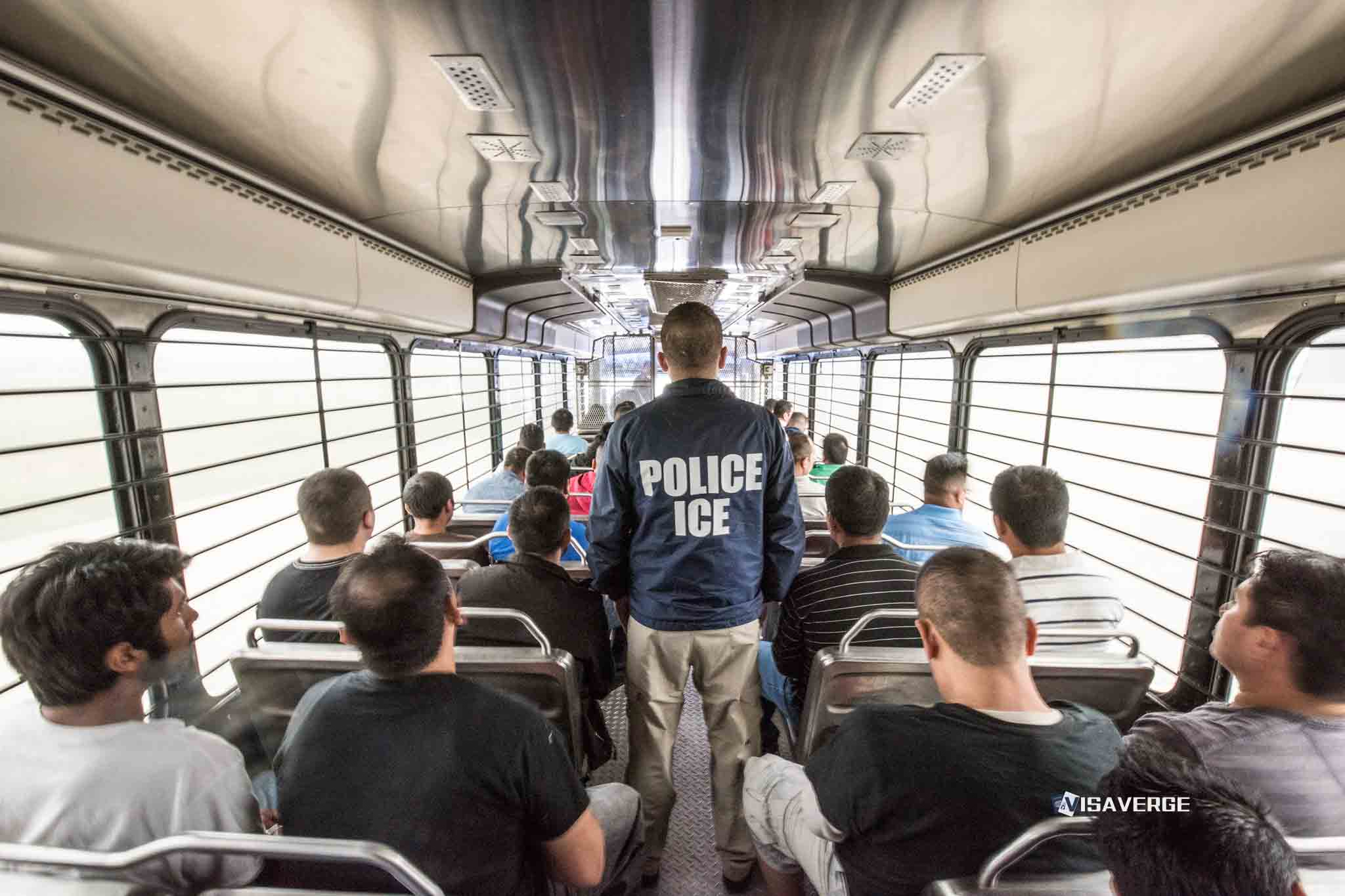
- Refugees and high-risk nationals face enhanced detention and visa pauses under new executive orders.
President Trump’s second term has pushed Green Card rules into a far stricter lane in 2026. The biggest changes are tighter public charge screening, mandatory in-person interviews, broader social media checks, and tougher treatment of refugees, asylees, and some nationalities.

These changes flow from executive orders, policy memoranda, and Department of State action. For many applicants, the result is slower processing, more evidence requests, and a much higher risk of denial. USCIS has already reported a sharp drop in family-based approvals, while employers, families, and humanitarian applicants are feeling the strain.
Free toolCSPA Age-Out Calculator OnlinePublic charge now sits at the center of Green Card decisions
The most important change is the expanded public charge rule. It allows officers to deny permanent residence if they believe an applicant will rely on government benefits. The rule now looks back 36 months and weighs use of Medicaid, SNAP, TANF, and public housing.
Officers also review 13 factors, including income, education, health, family size, and English ability. Income must exceed 250% of the federal poverty level. For family cases, that threshold often becomes the key hurdle.
A sponsor’s affidavit of support, filed on Form I-864, now matters more than ever. The government is asking for tax returns and proof that the sponsor reaches 400% of the poverty level in many family cases. A single parent earning $30,000 a year with two U.S.-citizen children faces a real denial risk unless there are strong assets or sponsor support.
The rule does not count a family member’s benefit use against the applicant. Even so, it forces full disclosure of household finances. That makes the process harder for lower-income families who are already stretched thin.
In-person interviews and deeper vetting slow every case
Every Green Card case now requires an in-person interview. That ends earlier waivers for some employment and immediate family filings. Adjustment of status, filed on Form I-485, is taking 24 to 30 months on average, compared with 20 months in 2025.
Backlogs at USCIS field offices now exceed 1.5 million cases. Officers are also issuing Requests for Evidence in 35% of cases. Those requests often ask for bank records, job verification, or sworn statements from sponsors.
Social media vetting is now mandatory and covers five years of handles, posts, and online associations. USCIS and consular officers are checking platforms such as X, Facebook, and TikTok. Posts tied to fraud, gangs, or anti-U.S. rhetoric can lead to denial or referral to ICE.
According to analysis by VisaVerge.com, this screening shift has especially affected younger applicants, who now face higher rejection rates and greater privacy concerns.
Travel, reentry, and abandonment rules have tightened
Green Card holders are also under closer watch when they travel. Absences of more than six months now trigger abandonment concerns, and reentry after one year requires a reentry permit on Form I-131. CBP entry and exit records are being used more aggressively.
More than 5,000 holders have already lost status under these rules because officers treated them as non-residents. That makes travel planning far less forgiving than before.
Refugees, asylees, and paused visas face extra pressure
Refugees and asylees are dealing with harsher treatment too. A January 2026 DHS memo requires detention without bond for rescreening during Green Card adjustment after the one-year refugee wait. More than 2,000 cases have been affected since February.
Asylees also lost the 540-day auto-extension for employment authorization on October 30, 2025. That has caused work gaps for more than 100,000 workers.
The State Department paused visa issuances on January 21, 2026, for nationals of 12 high-risk countries. Those pauses apply while enhanced reviews continue. The effect is broad: about 200,000 annual applicants from countries such as Venezuela and Somalia are facing delays.
A new $15,000 visa bond program, expanded on April 2, 2026, now covers 50 countries. It targets B-1/B-2 overstays but also slows family-based immigrant paths because sponsors and travelers face extra screening.
Investors are getting a different track
No confirmed Gold Card program exists as of March 2026. Earlier plans for a $5 million Treasury investment tied to residency were shelved.
Instead, the administration has tightened EB-5 investor rules. The minimum investment is now $1.05 million, or $800,000 in targeted areas. Projects must create 10 full-time U.S. jobs, and blockchain tracking is being used to limit abuse.
That approach favors wealthy applicants and high-investment cases. Approvals rose 20% in FY2025 for applicants from China and India, and the program brought in $12 billion.
Employment-based Green Card routes also favor STEM PhDs and executives. H-1B caps remain at 85,000, but denial rates are now 28% because wage floors are being enforced more aggressively.
Families, workers, and business owners are carrying the cost
Family-based categories are still capped, and long waits remain a major problem. The F-2B line for unmarried adult children from Mexico now stretches to 15 years. At the same time, the April 2026 Visa Bulletin shows EB-3 as current for most countries, which gives some relief to skilled workers.
Some Green Card holders are also facing new limits on business support. SBA loans were barred starting March 1, 2026, cutting off $2 billion in small business funding for immigrant entrepreneurs.
Industries that depend on foreign labor are already reporting 15% to 20% shortages in agriculture, construction, and tech. Employers are being forced to delay projects or hire more domestically.
What these executive orders are building
The policy direction is clear. Trump’s executive orders are moving the system toward self-sufficiency, higher-income applicants, and stronger vetting. That means fewer approvals for lower-wage families, more pressure on humanitarian cases, and a harder path for people with complex travel or benefit histories.
The framework also echoes earlier first-term moves, including public charge expansion, travel bans, and lower refugee ceilings. What changed in 2026 is scale. The screening is broader, the delays are longer, and the consequences reach further into daily life.
For official immigration guidance, readers can review USCIS Green Card information and check the latest Visa Bulletin for priority date movement.
Applicants facing RFEs now have 87 days to respond. Premium processing for some filings remains available at $2,500, and USCIS says it handled 8 million cases in FY2025. That volume, combined with the new rules, leaves little room for missing documents, weak sponsorship evidence, or travel mistakes.