- Twenty-three states and local governments sued to block the public charge rule before its September eighteenth start.
- The rule would let DHS consider Medicaid, CHIP, and SNAP when reviewing some green card and visa cases.
- Plaintiffs claim the policy could cost states two point two billion dollars annually and deter coverage use.
Twenty-three states, the District of Columbia, and six cities and counties sued Monday in Manhattan federal court to stop a Trump administration public charge rule scheduled to take effect Friday. The policy would let immigration officials deny green cards and certain visas to applicants deemed likely to use benefits such as Medicaid and food stamps.
The lawsuits arrived on September 14, 2026, four days before the planned start. The rule is set to take effect Friday, September 18, 2026.
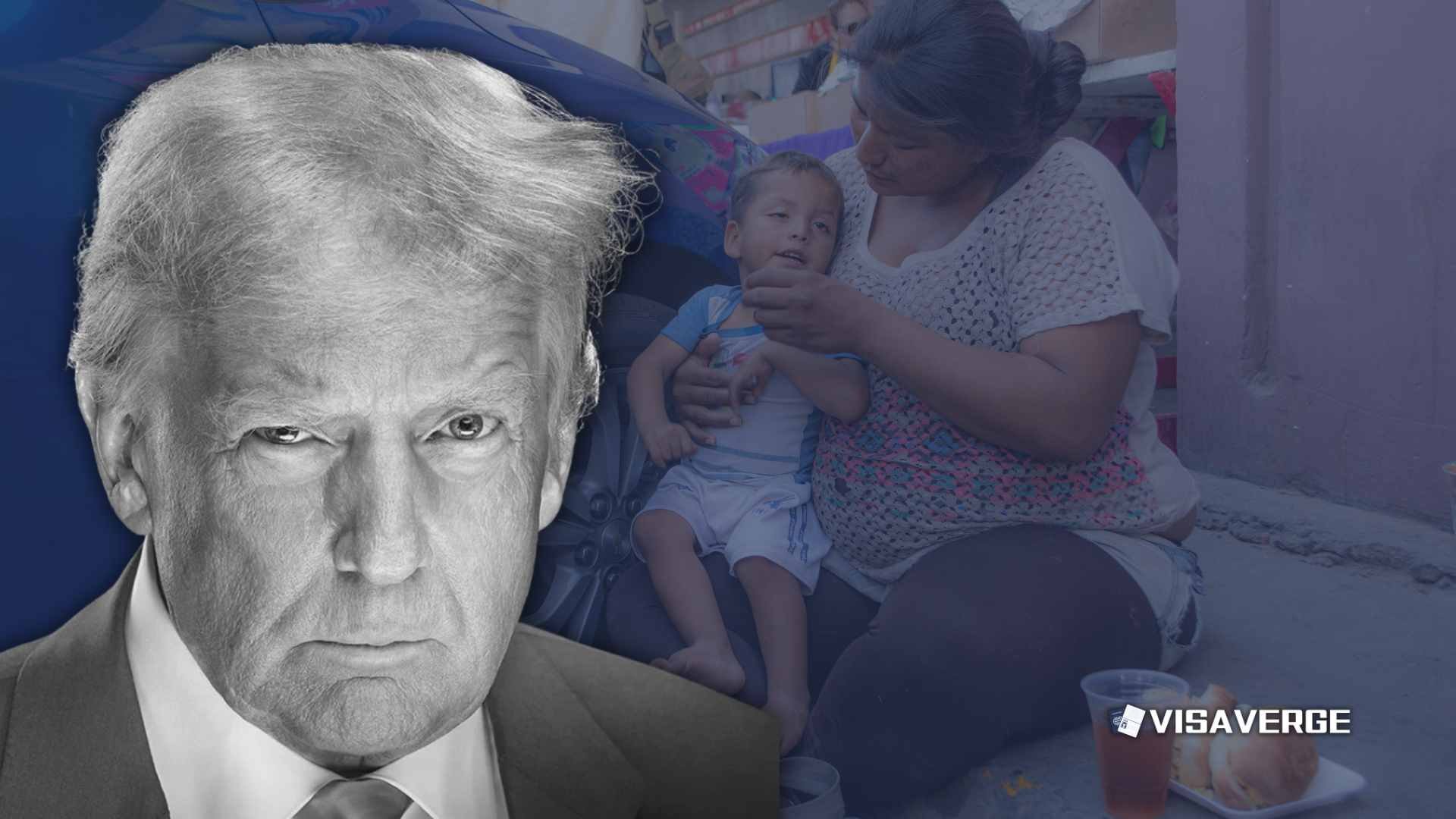
The Department of Homeland Security announced the measure in July 2026. It would restore the ability to consider non-cash benefits, including Medicaid, the Children’s Health Insurance Program, and the Supplemental Nutrition Assistance Program, in some immigration reviews.
The administration says the expansion is intended to ensure applicants are not likely to rely on government assistance. The plaintiffs describe the policy as an unlawful expansion of the immigration standard.
New York Attorney General Letitia James and New York City Mayor Zohran Mamdani filed the Manhattan challenges with other Democratic-led jurisdictions. The cases divide the opposition between state governments and local governments.
Two lawsuits put states and local governments on separate tracks
New York leads one case with California and Illinois. That filing includes 23 states and the District of Columbia.
A separate lawsuit brings six cities and counties into the dispute. Its participants include New York City, Chicago, San Francisco, and Seattle.
Mamdani joined James in filing the challenge. The two officials represent the jurisdictions at the center of the litigation, while other Democratic-led governments joined the separate plaintiff groups.
James said the policy could make immigrant families surrender programs they are legally allowed to receive.
“preys on that fear,”
She was referring to families’ fear that using health or nutrition programs could threaten their immigration status. James said the rule could push people away from health coverage and food assistance to which they are legally entitled.
The plaintiffs say the agency exceeded its legal authority
The lawsuits argue that DHS acted beyond its statutory authority and violated the Administrative Procedure Act. Their central challenge is whether the agency may broaden the standard so that benefit use can help support a denial of an immigration application.
The rule reaches green-card applicants and some other immigration categories subject to review. It also expands the types of information officers may consider when evaluating whether an applicant could become reliant on government assistance.
Medicaid, CHIP and SNAP are among the non-cash programs named in the policy. Food stamps are another term for SNAP.
The legal claims and the administration’s stated rationale point to different questions. The government describes the rule as an assessment of likely reliance, while the jurisdictions argue that DHS exceeded the authority granted to it.
Plaintiffs project billions in lost payments and millions of people dropping coverage
The state plaintiffs estimate that the rule would reduce federal payments nationwide by $4.05 billion each year. They estimate that states would lose about $2.2 billion annually.
New York officials also said the policy could lead up to 4 million people to leave health coverage because of immigration fears. These figures are plaintiffs’ estimates of financial and enrollment effects.
| Projected effect | Estimate |
|---|---|
| Annual nationwide loss in federal payments | $4.05 billion |
| Annual loss to states | $2.2 billion |
| People who could drop health coverage | Up to 4 million |
The projected enrollment loss reflects the officials’ warning about decisions by families worried about immigration consequences. It is separate from the rule’s direct review of applicants for immigration benefits.
The new rule revives the 2019 approach after Biden’s narrower standard
The challenged measure revives the 2019 Trump-era public charge policy, which the Biden administration later dropped. President Joe Biden’s administration used a narrower standard in 2022.
The 2026 rule would again place Medicaid, CHIP and SNAP among the benefits that immigration officials may consider. Its coverage extends to green-card applicants and some other immigration categories subject to public-charge review.
A recent federal appeals-court ruling provides earlier context for the dispute. The court upheld Judge George B. Daniels’ October decision striking down a DHS rule that had taken effect earlier this year.
That ruling applied only in New York, Vermont and Connecticut. The geographic limit left the prior litigation distinct from the broader challenge filed by states and local governments on September 14, 2026.
The new rule remains scheduled to begin Friday, September 18, 2026.
This article provides general information and is not legal advice. Consult a qualified immigration attorney about your specific case.