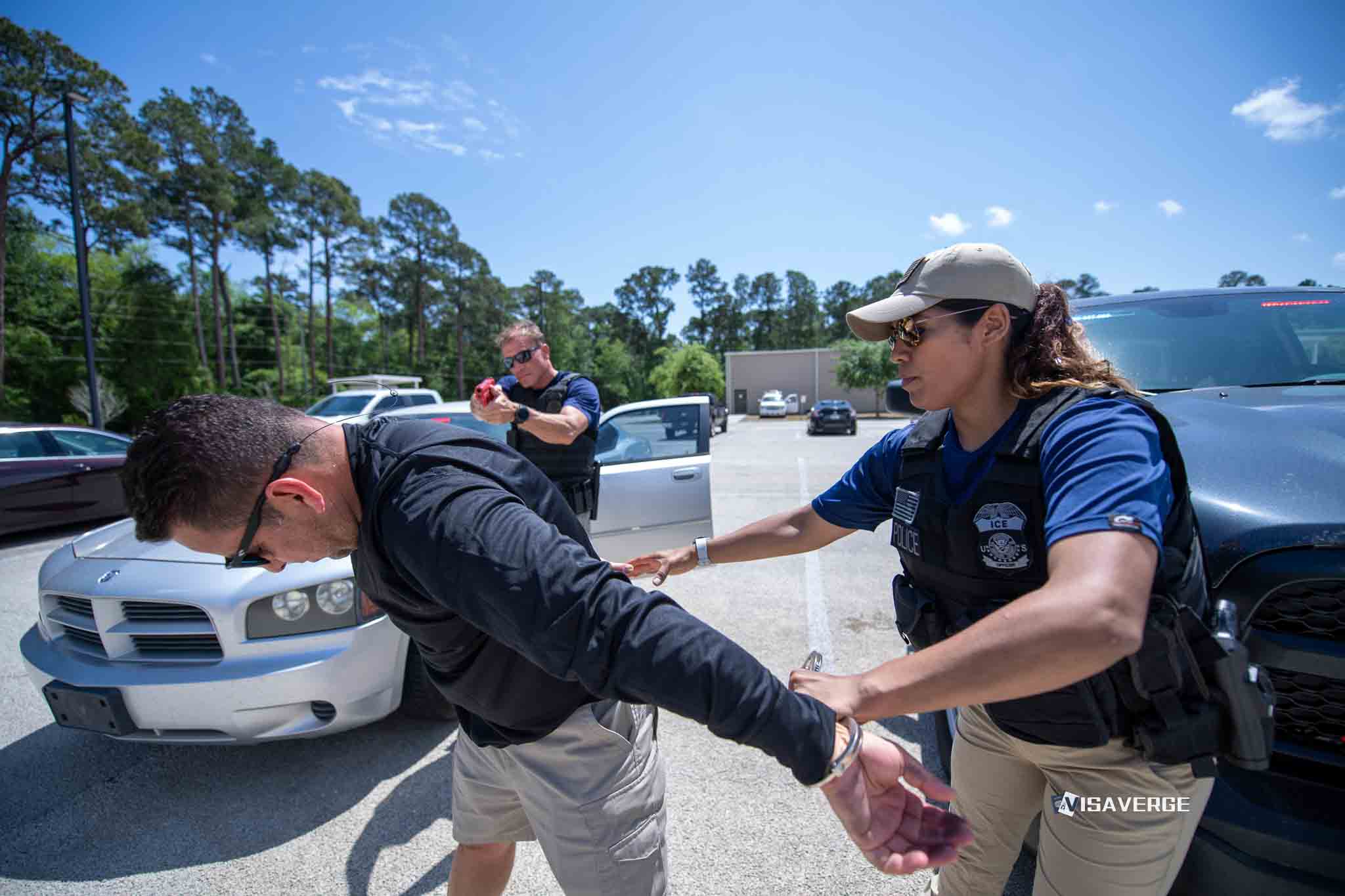
- TSA screening follows strict federal regulations regardless of whether marijuana is legal in specific states.
- Security officers will refer suspected violations to local or federal law enforcement if marijuana is discovered.
- Travelers must ensure hemp or CBD products contain less than 0.3% THC to remain compliant.
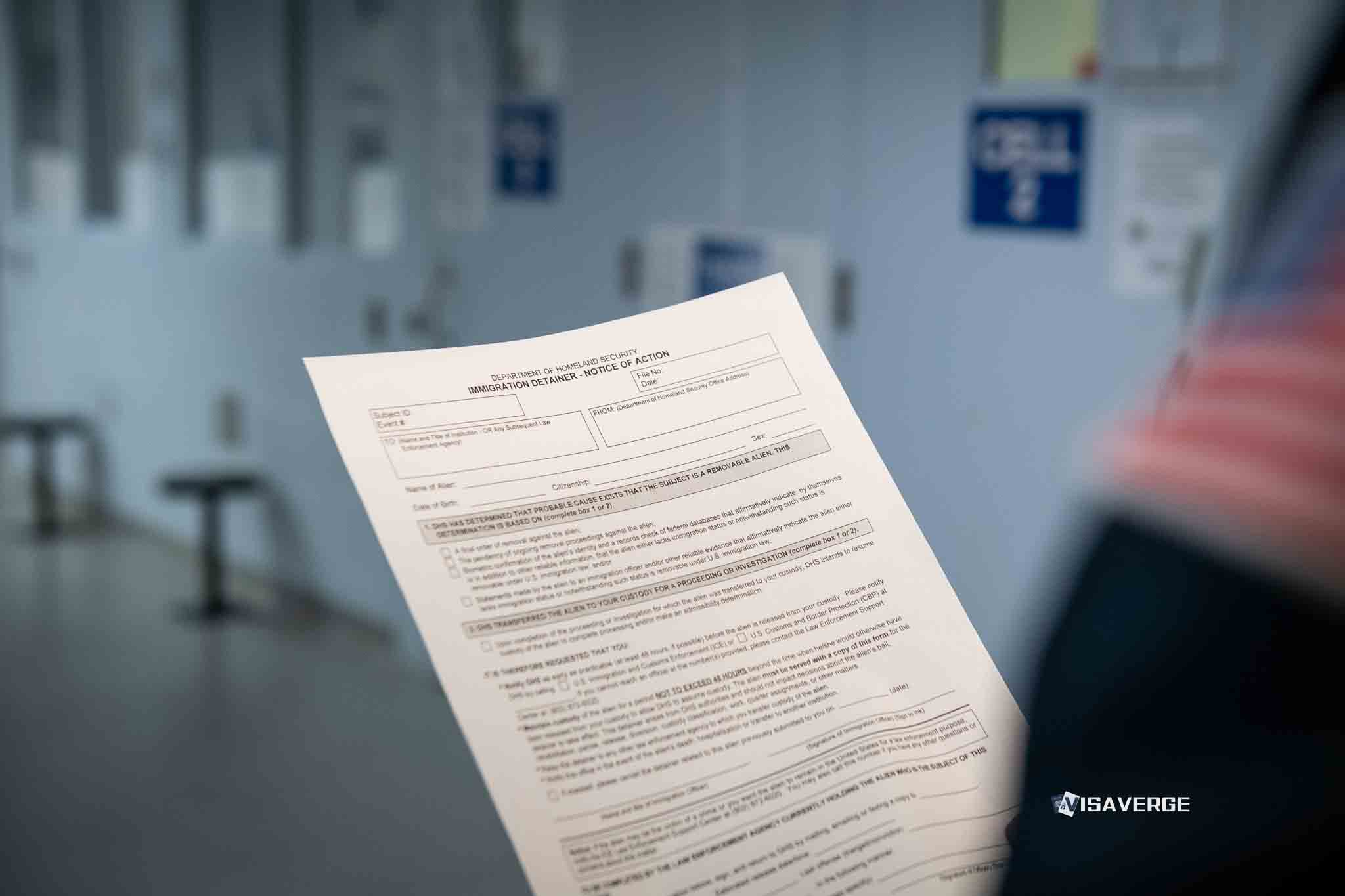
TSA’s marijuana policy has not changed, and that still matters at the checkpoint. Marijuana, including medical marijuana, remains illegal under federal law, and TSA officers will refer suspected violations to law enforcement if they see them during screening.
The agency says its screening process is aimed at aviation security, not drug enforcement. That means officers are not looking for marijuana as a target. If a substance appears to be marijuana, though, TSA says it must be reported to local, state, or federal authorities.
Free toolB1/B2 Tourist Visa Stay Calculator online
That distinction matters because airport security areas and aircraft operate under federal rules. State law can differ sharply from one airport to another, but federal law controls what TSA officers do at the checkpoint and on the plane.
Under federal law, marijuana and cannabis products with more than 0.3% THC remain illegal. Hemp-derived products with no more than 0.3% THC on a dry-weight basis are treated differently. TSA’s marijuana language also draws that line when it discusses certain CBD and cannabis-infused products.
The practical effect is straightforward. Do not travel with marijuana on a plane, even on domestic flights. If TSA or another officer identifies it during screening, the next step can be a law enforcement referral, not a warning and release.
Airlines do not set this rule, and frequent flyer status does not change it. A top-tier elite member gets the same federal screening rules as any other passenger. No mileage or points program can override a federal drug law issue at the checkpoint.
That also means missed flights can get expensive fast. A referral can lead to delay, questioning, or removal from the security line. If you were already close to boarding, a missed departure can mean forfeited cash, redeposit fees, and a new ticket on the next flight.
| Item | Federal treatment | TSA checkpoint effect |
|---|---|---|
| Marijuana | Illegal under federal law | Can be referred to law enforcement if observed |
| Medical marijuana | Still illegal under federal law | Same TSA treatment as other marijuana |
| Hemp-derived products at or below 0.3% THC | Treated differently under federal law | May be allowed if otherwise compliant |
| CBD or cannabis-infused products above 0.3% THC | Illegal under federal law | Can trigger referral if seen |
State and local practices still shape what happens after a referral. Some airports sit in states where marijuana possession is legal or decriminalized. Others are in places where local police still treat it strictly. Federal law, however, governs the checkpoint itself and the aircraft cabin.
That is why travelers should check more than one rule set before flying. Airport policy, local enforcement, and state law can differ. None of them changes the fact that TSA screening is tied to federal aviation rules, not a state-by-state marijuana policy.
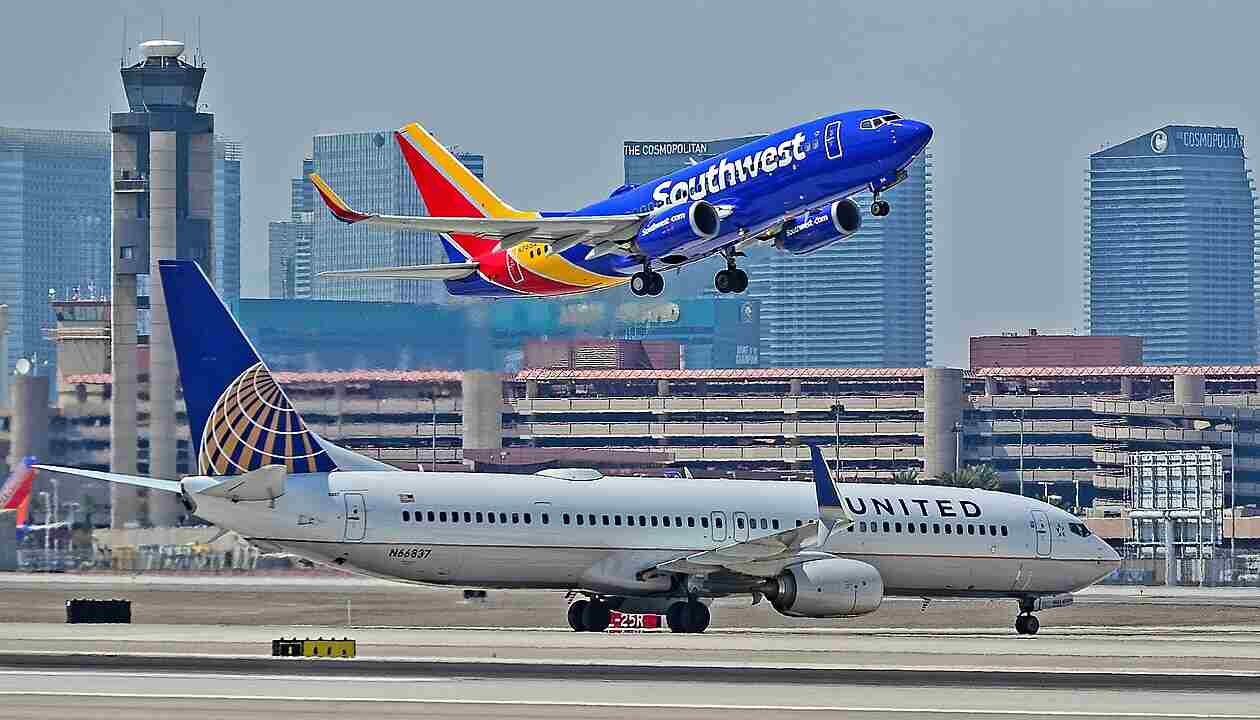
Competitive context matters here because airport security practices are not unique to one airline or one airport. Every major U.S. carrier operates under the same TSA system. Whether the ticket is on Delta, American, United, Southwest, or JetBlue, the checkpoint rules are the same.
Travelers who want to carry CBD or hemp products should verify the THC content before packing them. Labels are not enough on their own, and products that look similar can fall on opposite sides of federal law. Keep the packaging, and keep the product within the 0.3% THC limit if it is going in a bag at all.
Those who want the exact current TSA webpage language can ask for it, along with a breakdown of whether CBD and hemp products can fly and a state-by-state airport enforcement overview. The safest move before a trip is simple: leave marijuana at home, and check the product label against federal law before it reaches the checkpoint.