- Congress maintains the 7% per-country limit, keeping employment-based green card backlogs stuck for India and China.
- The April 2026 Visa Bulletin shows only modest forward movement in EB-2 and EB-3 categories.
- Agency speed cannot overcome statutory visa caps, leaving over 500,000 cases waiting for available numbers.
(UNITED STATES) Employment-based green card backlogs remain stuck in place in April 2026 because the law still caps yearly visas and keeps the 7% per-country limits in force. That means workers from India and China still face the longest waits, while the Visa Bulletin continues to decide who can file and who must keep waiting.

For many applicants, the wait is not just a paperwork delay. It affects job changes, family plans, children’s age limits, and the need to renew temporary status again and again. According to analysis by VisaVerge.com, the system still rewards patience more than speed, even as agencies process forms faster when they can.
Caps That Keep the Line Moving Slowly
The root problem is simple: Congress has not raised the annual supply of employment-based immigrant visas. The Immigration and Nationality Act sets at least 140,000 employment-based visas a year, and the worldwide family- and employment-based total for FY2026 is 226,000 family-sponsored visas on the family side.
Free toolCSPA Age-Out Calculator OnlineThen comes the country cap. The 7% per-country limits mean no single nation can take more than about 25,620 visas a year, while dependent areas are limited to 7,320. That matters most for India and China, which together make up more than 80% of the employment-based backlog.
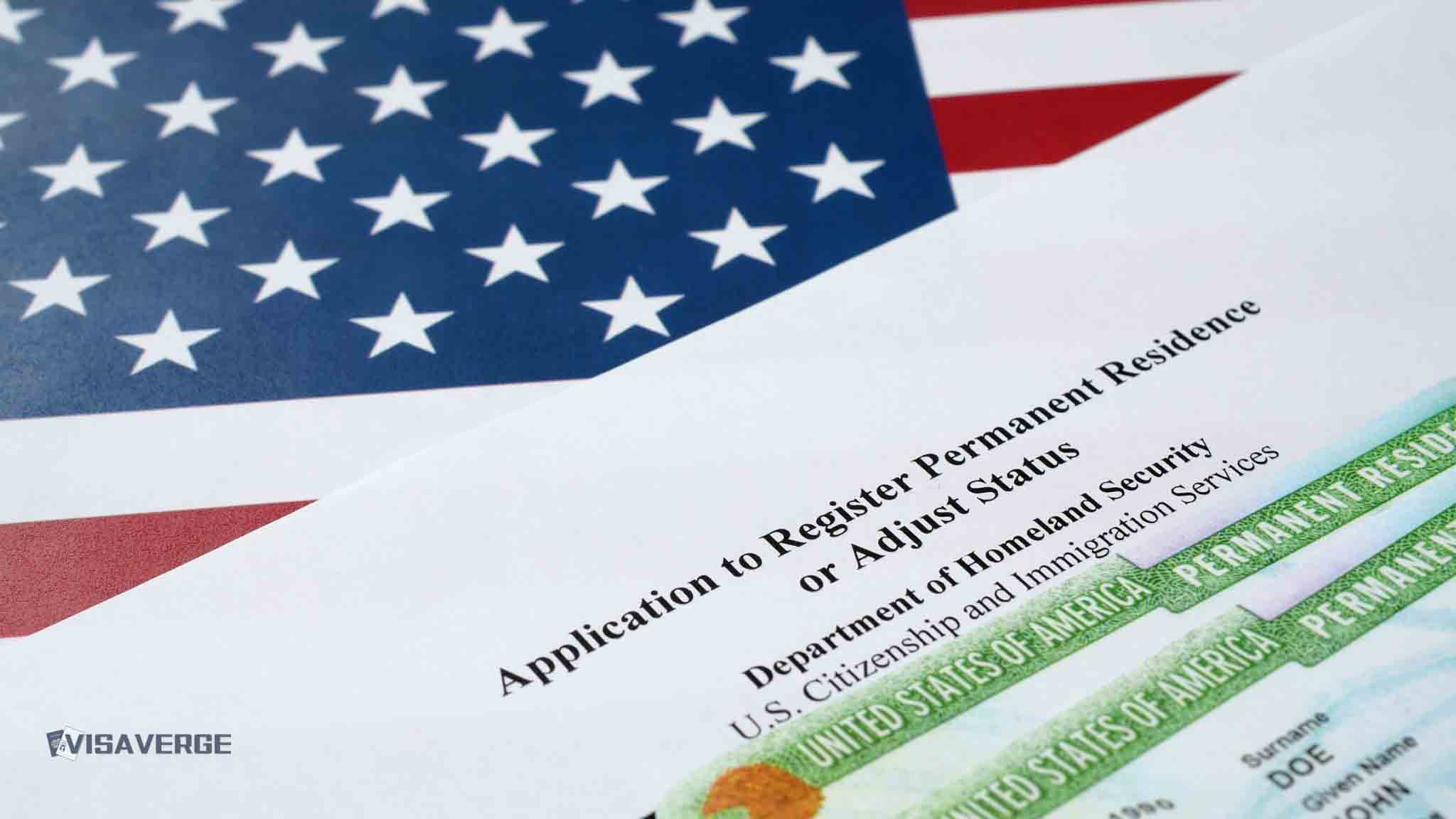
The system also follows priority date order under INA §203(e). An applicant’s priority date, usually tied to the filing date of the underlying Form I-140, must become current in the monthly Visa Bulletin before Form I-485 can reach approval. That is why a filed case can still sit for years.
By late 2025, nearly 785,000 approved EB petitions were waiting for visa numbers, and the employment-based backlog topped 500,000 cases. That was more than double the 2016 level. USCIS also carried a record 11.3 million cases by August 2025.
April 2026 Visa Bulletin Signals Small Movement
The April 2026 Visa Bulletin brought modest forward movement in some categories, but not enough to clear the line. USCIS said employment-based applicants should use the Dates for Filing chart for I-485 submissions, while the Final Action Dates chart controls approval.
Under the current chart, EB-1 is current for all other countries, while China and India sit at April 1, 2023. EB-2 remains current for some countries, but China is at 2021 (Feb) and India at 2013 (Feb). EB-3 stands at June 1, 2024 for most countries, June 15, 2021 for China, and Nov. 15, 2013 for India. EB-5 unreserved is current for many countries, though China remains at Oct. 1, 2016 and India at May 1, 2024.
For filing purposes, the Dates for Filing chart is more open. That gives applicants a chance to submit paperwork earlier, gather medical exams, and secure work and travel documents while waiting for final approval.
Anyone tracking movement should check the official Visa Bulletin page at travel.state.gov every month. Small date changes can open or close filing windows fast.
What USCIS Can Speed Up, and What It Cannot
USCIS can move faster on its own forms, but it cannot create more visas. That power belongs to Congress, and no law has changed the annual cap or the 7% per-country limits. DOS can move dates forward when demand eases, but it cannot approve a case before visa numbers exist.
Current processing times in early 2026 show the split between agency speed and visa supply. PERM labor certification often takes 8-10 months, or 12-18 months if audited. Form I-140 takes about 8.1 months under regular processing, or 15 calendar days with premium processing for $2,965. Form I-485 averages 7 months, though some centers run 8-14 months.
Receipt notices usually arrive within 3 business days. Since the December 2024 update to the I-485 process, applicants also file Form I-693 medical exams with the adjustment package, which helps move cases faster when the visa number is ready.
You can review the USCIS filing pages for Form I-140 and Form I-485 for the current filing rules and fee instructions.
The Human Cost of Waiting Longer
The long queue hits real lives. A software engineer in Bengaluru with an EB-2 priority date from 2013 can wait many more years before a green card is issued. A researcher in Shanghai with an EB-1 date from 2023 may be closer, but still faces retrogression if demand rises late in the fiscal year.
Families carry the strain too. Workers often renew H-1B, L-1, or O-1 status while they wait. They file for employment authorization and advance parole again and again. Children risk aging out of dependent status. Employers lose staff to foreign competitors or to job offers that promise faster residence.
The system creates uneven outcomes. Applicants from most countries often see current dates far sooner, while India and China stay trapped in long queues. The law treats everyone the same on paper. In practice, the wait is far longer for the highest-demand countries.
2026 Outlook for Employers and Applicants
No major reform has raised the employment-based cap or ended the per-country rules as of March 2026. That means the backlogs will keep shaping hiring, retention, and family planning through the rest of the year.
Through September 2026, small advances may continue in EB-1 and EB-3. A new fiscal year begins on October 1, and that reset can open more numbers. Even so, India and China remain backlogged for EB-2 and EB-3, with waits that often stretch 5-15+ years.
The best-prepared filings move fastest when a date becomes current. Applicants who file complete packets avoid delays from requests for evidence. Employers who track priority dates early can plan promotions, transfers, and extensions before a worker hits the end of temporary status.
For many families, the real lesson is that the queue is shaped by law, not just by agency speed. Premium processing helps the petition stage. It does not move the visa line. The Visa Bulletin still controls the final step, and the 7% per-country limits still decide who waits longest.