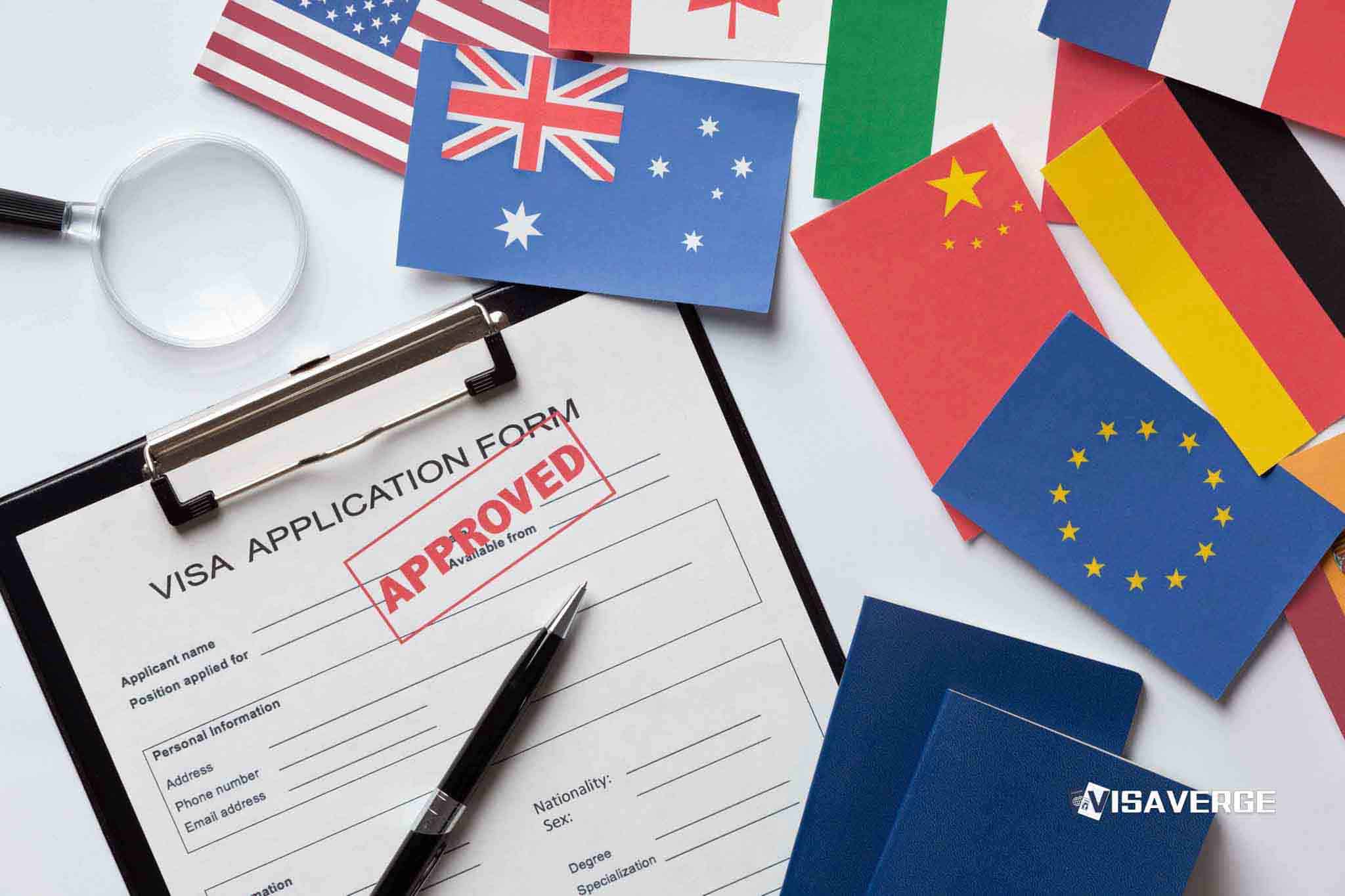
- Europe has officially replaced manual passport stamps with a digital biometric system across 29 different countries.
- The EES records facial images and fingerprints for non-EU travelers at all major border crossing points.
- A phased rollout concluded on April 10, 2026, marking the full activation of the border management tool.
(EUROPEAN UNION) – The European Union activated the Entry/Exit System across 29 European countries on April 10, 2026, replacing passport stamps with facial image and fingerprint checks for non-EU travelers.
The new biometric system now operates across the Schengen Area at airports, ports, train stations, and roadway border crossings, marking the end of paper stamp records for covered travelers entering and leaving the bloc’s border-free zone.
Free toolSchengen Short-Stay Visa Calculator
Officials rolled out the system in stages beginning October 12, 2025, while manual passport stamping continued alongside digital registration during a six-month transition. Full implementation took effect on April 10, 2026.
The Entry/Exit System, often referred to as EES, records each traveler’s name, passport details, facial image, fingerprints, and the date and place of entry and exit. The database covers the Schengen Area, which in this system includes 25 EU member states and four associated non-EU countries: Iceland, Liechtenstein, Norway, and Switzerland.
Ireland and Cyprus remain outside Schengen and continue to use traditional passport checks. That leaves the new biometric system concentrated across most of continental Europe’s shared external border, where border officers now rely on digital identity matching rather than ink stamps.
At first entry under the system, travelers must register biometric data at automated kiosks or staffed border control booths. Holders of biometric passports can use self-service kiosks, while travelers without biometric documents complete the process at staffed counters.
On later trips, facial recognition confirms identity and reduces processing time. The system stores data for three years, and that retention period renews with each border crossing.
The shift changes a familiar part of travel into Europe. Travelers who once looked for a passport stamp as proof of arrival or departure now pass through a digital record that logs movement in and out of participating states.
During the phased rollout, authorities denied entry to more than 24,000 individuals because they carried expired or falsified documents or failed to justify the purpose of their visit. The system also flagged more than 600 people as potential security risks.
Those figures offered an early measure of how the EES functions as both a border management tool and an enforcement system. The screening process does more than replace a stamp; it ties identity verification to a shared digital record across participating countries.
Coverage extends across the bloc’s main transport network. Airports, seaports, rail terminals, and road crossings now feed traveler information into the same system, creating a common process whether a non-EU national arrives by plane in Spain, by train in France, or by road into another Schengen state.
The scale of the rollout also reflects the geography of Schengen itself. France, Germany, Italy, and Spain are among the participating EU countries, alongside the four associated non-EU states linked to the border-free zone.
Manual stamping remained in place during the transition because border authorities were testing and expanding the new system. The six-month period from October 12, 2025 to April 10, 2026 allowed checkpoints to add equipment, process first-time registrations, and shift travelers toward digital screening before full activation.
Under the system’s design, first crossings take longer than later ones because biometric enrollment happens only at the outset. Once a traveler’s record is in the database, subsequent entries rely on stored information and facial recognition rather than a fresh manual review.
That difference is likely to be most visible at high-volume crossing points, where kiosk use can separate travelers with biometric passports from those who need staffed processing. The system still requires border interaction, but it changes the balance between officer checks and automated verification.
Several categories of travelers remain exempt. Family members of EU citizens who hold valid residence cards do not fall under the system, nor do international transport crew and military personnel participating in NATO or Partnership for Peace missions.
The exemptions narrow the pool of travelers subject to EES and preserve separate treatment for groups whose travel often follows special legal or operational rules. Most short-term non-EU visitors, however, now pass through the digital process when crossing into participating countries.
The storage period may also draw attention from travelers concerned about privacy. Border authorities retain facial images, fingerprints, passport details, and crossing records for three years, and each new crossing restarts that period.
For frequent visitors, that means the system keeps an active record as long as travel continues. For occasional visitors, it creates a digital archive that remains in place well after a trip ends, replacing the old patchwork of stamps with a centralized biometric trail.
What has changed most visibly at the border is simple: the stamp is gone, and the screen has taken its place. Across 29 nations, Europe’s new biometric system now turns a routine passport check into a facial and fingerprint verification that follows travelers across the Schengen Area.