- Friends of DePaul graduate Iraganaboyina Chandu launched a GoFundMe campaign following his tragic suicide in Chicago.
- The fundraiser has raised over $76,000 to cover repatriation costs and the family’s substantial educational debts.
- Indian government officials are coordinating the international transport of Chandu’s body back to Andhra Pradesh in 2026.
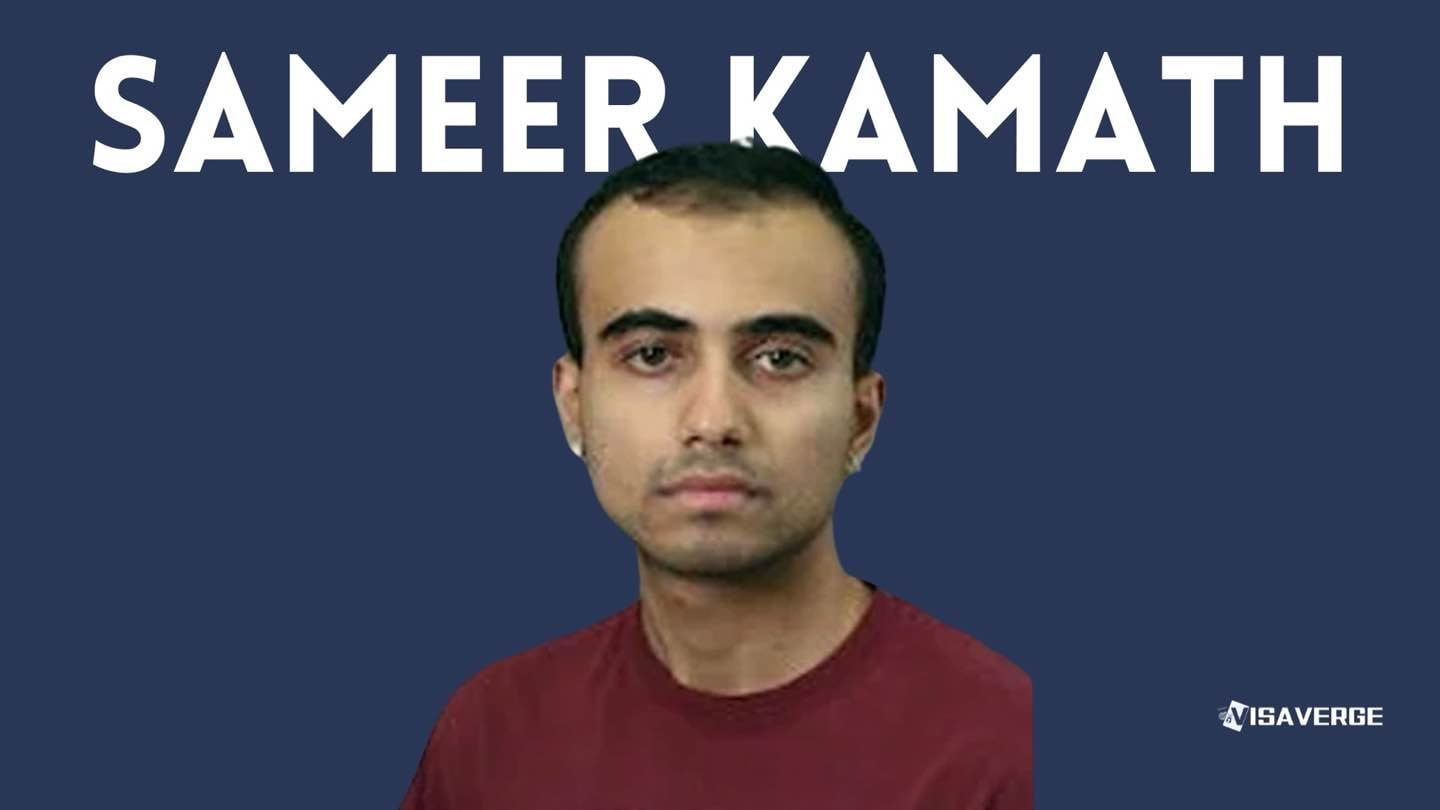
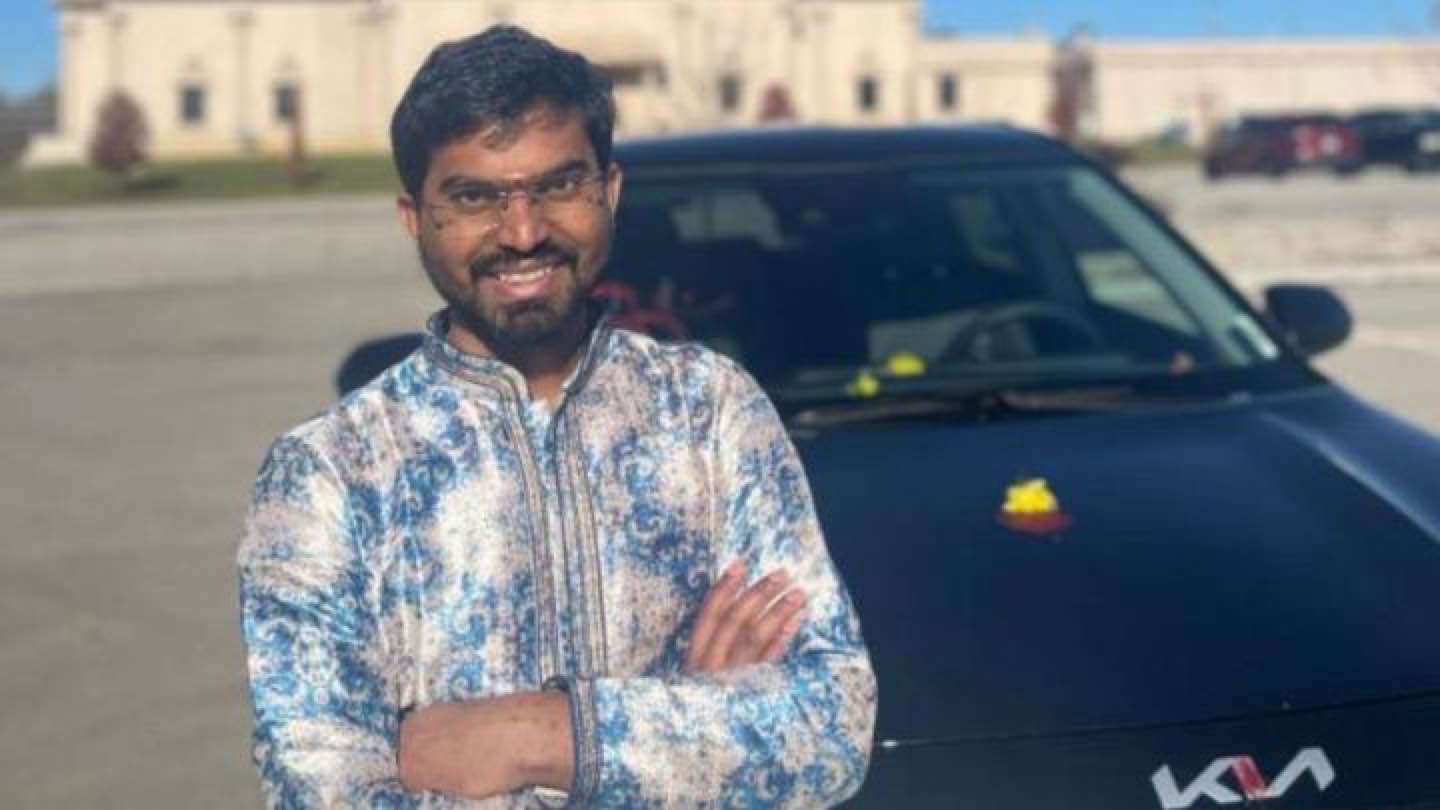
(CHICAGO, ILLINOIS) – Friends of Iraganaboyina Chandu, a 26-year-old graduate of DePaul University, launched a GoFundMe campaign to return his body to India after he died by suicide in Chicago while struggling to find work after completing his master’s degree.
Chandu was from Kurnool district in Andhra Pradesh, India. Friends and family said he had been under emotional and financial stress for several weeks after graduation, with unemployment, repeated job search setbacks, visa uncertainty and pressure over family debts weighing on him.
The fundraiser, titled “Bringing Chandu Home to His Family for Final Rites,” was organized by Rajesh Gurram of Saint Peters, Missouri. It seeks $120,000 in total, with an immediate goal of $25,000 to cover repatriation costs.
Those initial costs include funeral home services, legal paperwork, permits and international transport from the United States to India. Organizers said any money raised beyond that amount would go to Chandu’s parents to help repay his educational debts and other obligations.
Within two days of launch, the campaign had raised more than $76,000. Reported totals varied at different checks, with figures including $76,500 and $57,000 appearing in earlier updates.
Organizers said the required procedures had been completed and that Chandu’s body was at a funeral home. The campaign then shifted from urgent fundraising for transport to covering the broader financial strain left behind.
Chandu’s death drew attention in Andhra Pradesh after appeals circulated on social media. Nara Lokesh, a politician from the state, expressed condolences and sought help to speed up the transfer of the body.
Lokesh requested assistance from Union Civil Aviation Minister Ram Mohan Naidu, also cited as Kinjarapu Ram Mohan Naidu. Naidu confirmed that the government was coordinating to assist the family and expedite transport.
The response from the Indian community in the United States was swift. Donations and shared appeals pushed the fundraiser upward as supporters tried to shorten the wait for Chandu’s parents to bring him home for final rites.
Friends and relatives described a familiar set of pressures behind the crisis. Chandu felt guilt about depending on his family, especially his father, a security guard with limited income, while his search for a job after graduation did not produce an offer.
That pressure deepened as debts at home remained unresolved. Family members and friends said he worried about not being able to support his parents financially after finishing his studies.
His case also carried the strain tied to immigration status after graduation. Friends said visa uncertainties added to the sense that time was running short as he tried to secure work in the United States.
Chandu had come to Chicago to study at DePaul University and complete a master’s degree. After graduation, the transition many students hope will lead from campus to employment instead left him without work and under growing stress.
The fundraiser’s structure reflects the immediate demands families face when a death occurs far from home. Funeral home coordination, official paperwork, permits and international transport all need payment before repatriation can move ahead.
Organizers said those costs came first, with the remaining money intended for debts and pending obligations. That left the campaign serving two purposes at once: returning Chandu to India and easing the financial burden on his parents.
The title of the campaign, “Bringing Chandu Home to His Family for Final Rites,” became the focus of the appeal as friends tried to turn grief into practical help. Donations rose as members of the Indian community shared the page and urged others to contribute.
Public support from elected leaders gave the effort more visibility. Government involvement centered on moving the body quickly, while community support centered on paying for the process and helping the family meet the debts left behind.
The combination of official coordination and private fundraising appeared to move the case forward quickly. By the time organizers said the procedures were complete and the body had reached a funeral home, the campaign had already passed the initial repatriation target.
Even so, the larger $120,000 goal remained in place because the appeal was not limited to transport costs. Organizers said extra funds would help Chandu’s parents with educational debt and other obligations that had accumulated during his time studying abroad.
In Kurnool district, the loss reached a family already under financial strain. In Chicago, it left behind a circle of friends trying to manage the formal steps that follow a death overseas while also explaining the weight Chandu had been carrying.
The campaign’s rapid rise showed how widely his case resonated across the Indian diaspora in the United States. It also showed how quickly grief can become administrative, with funeral arrangements, permits and international movement of a body all demanding attention at once.
By the latest update, the immediate repatriation process had been completed and support continued to come in. Chandu’s friends said the money would first bring him home, then help a family in Andhra Pradesh confront the debts and obligations he had worried about before he died.