- USCIS has disrupted naturalization ceremonies for hundreds of applicants from 39 high-risk countries since late 2025.
- Applicants remain lawful permanent residents without citizenship until they take the final Oath of Allegiance.
- Legal groups have filed federal lawsuits to force the government to complete the naturalization process.
USCIS has canceled or disrupted naturalization ceremonies since December 2025 for hundreds of applicants from 39 high-risk countries, halting cases that had already cleared interviews, civics tests and background checks under two policy memoranda issued on December 2, 2025 and in early 2026.
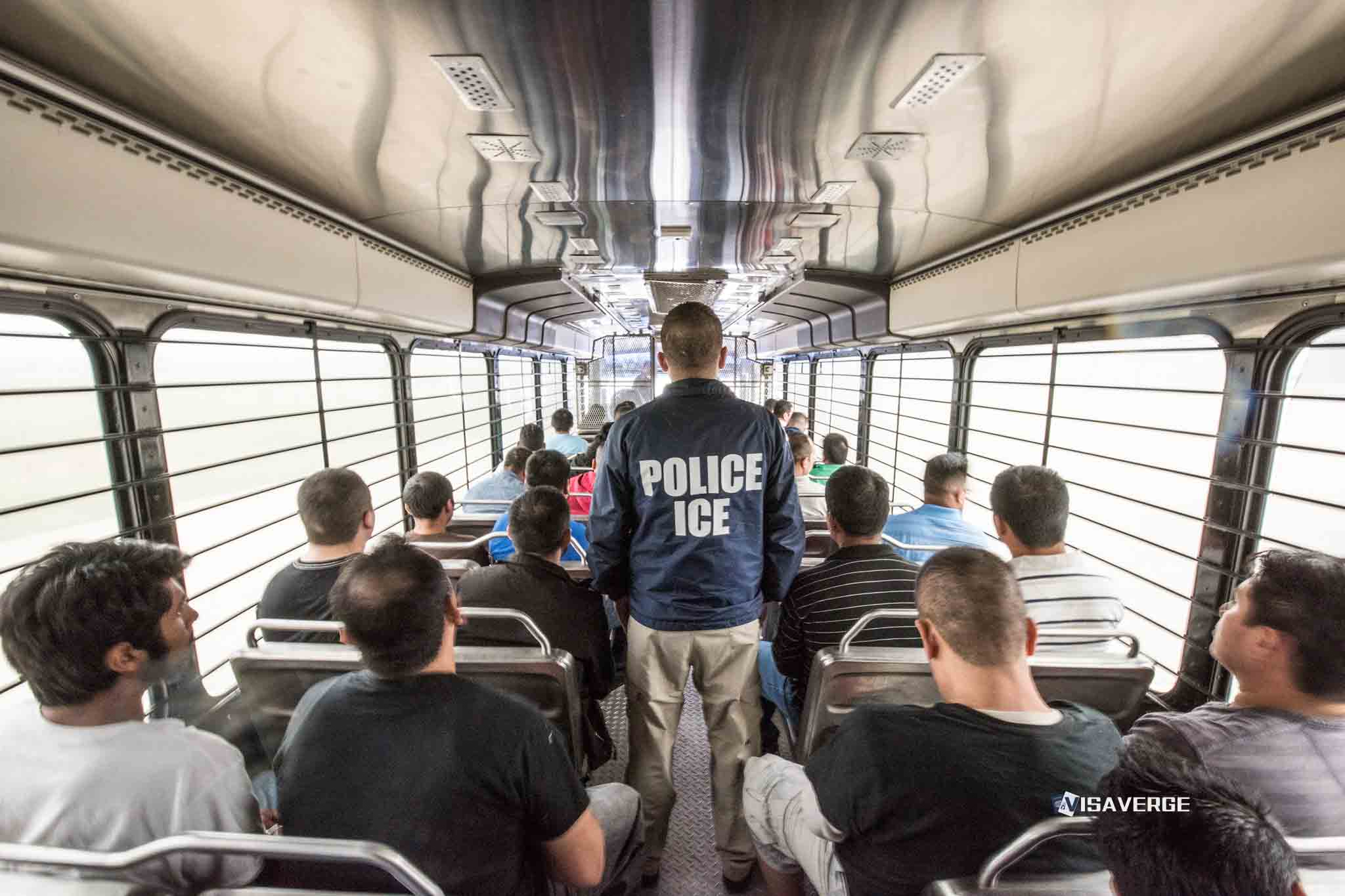
Those pauses reached beyond new filings. They stopped adjudication of immigration benefits, including `N-400` naturalization applications, even after approval recommendations, and left some applicants arriving for naturalization ceremonies only to be removed from the line and sent home because of their country of origin.
Free toolSubstantial Presence Test Calculator
USCIS told affected applicants their notices were canceled because of “unforeseen circumstances,” without giving a new ceremony date. The agency also confirmed the cases will not move forward until additional screening ends, leaving approved applicants in a legal limbo that has drawn lawsuits in federal court.
Applicants who have not taken the Oath of Allegiance do not become citizens when USCIS approves the case. Under USCIS Policy Manual, Vol. 12, Part J, citizenship vests only when the oath is administered, which means those applicants remain lawful permanent residents and can still face reopened cases, re-interviews, or referrals to ICE.
One deadline in the memos has sharpened the pressure. The December 2, 2025 memorandum created a 90-day window during which affected lawful permanent residents could face case reopening, fresh interviews, or ICE referrals, despite having already reached the last stage before citizenship.
The dispute has now moved into broader litigation. In the Eastern District of Pennsylvania, NILA et al. v. USCIS, filed in April 2024 and still pending in 2026, seeks orders requiring immediate oath ceremonies or administrative naturalization under INA § 336, 8 U.S.C. § 1447.
That case was brought by the National Immigration Litigation Alliance, the Northwest Immigrant Rights Project, Law Offices of Stacy Tolchin, and Kairys, Rudovsky, Messing, Feinberg & Lin LLP for plaintiffs and a proposed class of hundreds in Philadelphia. Their claims focus on applicants whose approved `N-400` cases stalled after COVID, beginning in mid-March 2020.
Matt Adams, Legal Director of NWIRP, said: “This lawsuit asks the Court to order USCIS to prioritize conducting oath ceremonies. so that Plaintiffs and proposed class members are not unduly and indefinitely denied these important rights.”
The Pennsylvania case predates the high-risk country memos, but it now sits inside a larger fight over delayed naturalization ceremonies and what happens when USCIS approves an application but does not schedule the oath. In practice, that gap has become the agency’s leverage point, because approval alone does not confer citizenship.
Immigration lawyers in Austin, Texas, have also warned of “massive lawsuits” if USCIS does not provide ceremonies within the 120-day period tied to INA § 1447(b). Attorneys there have argued that prolonged delays can block voting eligibility before elections in 2026 and can increase deportation risks for lawful permanent residents who remain short of the oath.
The legal path is not simple. INA § 1447(b) allows mandamus suits in federal district court when USCIS delays a decision beyond 120 days after filing, and venue lies in the district where the applicant lives or filed. Courts have split on some naturalization questions, including “continuous residence,” but no published Board of Immigration Appeals decision and no circuit court precedent directly addresses the 2025-2026 pauses for high-risk countries.
That leaves applicants and their lawyers arguing by analogy from existing naturalization law rather than from a case squarely on point. Relief may be available through `N-400` mandamus actions, but outcomes depend on the jurisdiction and on the facts of each case, especially where USCIS argues additional screening remains incomplete.
The disruption has also changed the meaning of ceremony day itself. Applicants who believed they had reached the last procedural step have instead found that the final moment of naturalization can still be withheld, and in some cases reversed, after every ordinary screening step had already been completed.
Naturalization ceremonies usually mark the end of a long administrative process. Under the current USCIS memos, they have become another checkpoint, one that can stop an application after approval and before citizenship, with no public timetable for when the agency will clear the cases.
Lawyers involved in the litigation have pressed for court orders that would force the agency either to hold oath ceremonies promptly or to complete naturalization administratively. Their filings argue that people who already passed the interview stage should not lose voting access or remain exposed to immigration enforcement because USCIS added another layer of review after the fact.
The Philadelphia suit reflects only one part of the caseload. The plaintiffs say hundreds there remained stuck after post-COVID ceremony delays, while similar backlogs affect thousands nationwide, adding another set of claims to the newer challenges tied to the December 2, 2025 and early 2026 memoranda.
AILA has reported that no blanket injunction blocks the memos. Applicants affected by the pauses have instead been left to pursue individual legal advice, monitor agency updates, and weigh the risk that pressing for action could collide with the government’s power to reopen a case before the oath is given.
That risk is why lawyers have urged careful, case-by-case review before any filing. An applicant who has an approved `N-400` but no oath remains a lawful permanent resident, not a citizen, and the memos expressly preserve room for re-interviews and ICE referrals during the 90-day period tied to the December 2, 2025 directive.
Groups active in the litigation include NILA and NWIRP, along with other firms that have challenged long ceremony delays in federal court. Their cases seek the same practical result: a clear order requiring USCIS to finish the last step for approved applicants rather than hold them in indefinite suspension.
What has changed since December 2025 is the scale and the trigger. Earlier naturalization delays often grew out of ceremony backlogs. The new disputes center on nationality-based screening pauses that have reached applicants from 39 countries after they had already completed the standard path to citizenship.
People caught in that group now face two clocks that matter more than any ceremony notice. One is the 90-day window in the first memo for reopening, re-interviews or ICE referrals. The other is the 120-day period that attorneys cite in weighing whether to sue over delays. Between those deadlines sits the same unanswered step: the oath that turns an approved applicant into a citizen.