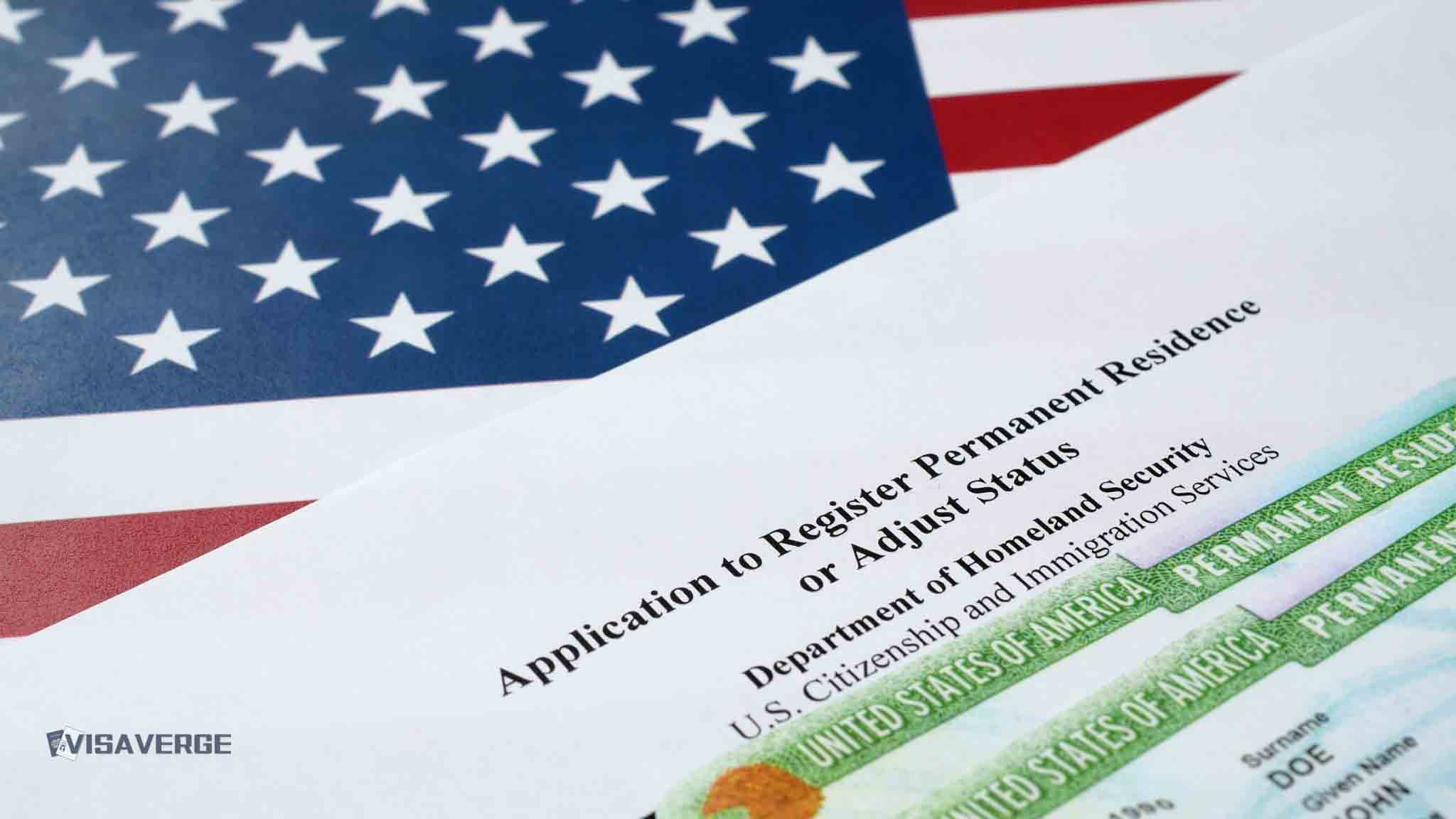
- The EB-1 India final action date remains at October fifteenth, twenty twenty-two for the August bulletin.
- The State Department warns the category may become unavailable before the current fiscal year ends.
- New visa numbers for twenty twenty-seven will reset in October, potentially reopening the category’s availability.
The August visa bulletin keeps EB-1 India available at a cutoff of October 15, 2022, but the State Department warned that the category could close before September 30 if demand uses the remaining numbers.
The cutoff did not move from July. The department said high demand and continued visa-number use may require the category to become unavailable “in the coming weeks” if India reaches its prorated EB-1 limit before the fiscal year ends.
Free toolDS-160 Form Filling Online Helper Tool
Applicants with priority dates earlier than October 15, 2022, remain within the August window for final action while numbers are available. A priority date of exactly October 15, 2022, does not qualify because it is not earlier than the cutoff.
The warning is not a second retrogression. It signals a possible shutdown of further number use during the final weeks of fiscal year 2026.
The August bulletin lists the Final Action Date for India as October 15, 2022, and its Date for Filing as December 1, 2023. The filing chart affects document submission only when the applicable government procedure permits that chart.
The cutoff held steady while the warning became sharper
The July bulletin had already moved the India date backward from December 15, 2022, to October 15, 2022. At that time, the department warned that further retrogression or complete unavailability might follow if India reached its prorated allocation before the fiscal year ended.
August brought no new cutoff. The department instead described a more immediate risk: the available numbers could be fully used before September 30.
| Visa Bulletin | EB-1 India Final Action Date | Department position |
|---|---|---|
| June 2026 | December 15, 2022 | Retrogression risk identified |
| July 2026 | October 15, 2022 | Further retrogression or unavailability possible |
| August 2026 | October 15, 2022 | Unavailability may be required in the coming weeks |
The August employment-based chart places China-mainland born at July 1, 2023, for final action and December 1, 2023, for filing. Most other countries are listed as current for both charts.
Final action controls when a consulate may issue an immigrant visa or when an adjustment application can receive final approval. Filing eligibility is a separate question.
A closure would stop final approvals, not erase petitions
The bulletin uses “U” when immigrant visa numbers are not authorized for issuance. Once an annual, category or applicable country limit is reached, the affected category must become unavailable, and additional visa-number requests cannot be honored.
That would temporarily halt three actions:
- final approval of affected
Form I-485applications; - issuance of EB-1 immigrant visas at U.S. consulates; and
- allocation of additional EB-1 numbers for India.
An approved Form I-140 petition would not automatically be revoked. A properly pending adjustment application would not automatically be denied either.
The petition establishes whether a beneficiary qualifies for the EB-1 immigrant classification. Visa availability determines when permanent residence can be granted. Those are separate stages.
A closure also would not end the underlying classification. The category covers people of extraordinary ability, outstanding professors and researchers, and qualifying multinational managers and executives. Applicants could still file a qualifying petition even if numbers temporarily became unavailable.
Pending adjustment cases still require active case management
People with pending Form I-485 applications should continue answering every USCIS notice and keeping required documents current. An unavailable category does not suspend a response deadline.
If the agency cannot finish a case before numbers run out, final approval generally must wait until a number becomes available again. Employment-based adjustment applicants must have an immigrant visa immediately available when the agency makes its final decision.
Applicants should track several moving parts while waiting:
- employment authorization expiration;
- advance parole validity;
- passport validity;
- Requests for Evidence from USCIS;
- address changes;
- employment changes; and
- the immigration position of accompanying family members.
Medical documentation may also require attention. A delay can cause supporting documents to expire before the case reaches final action.
Applicants with priority dates before October 15, 2022, should check whether their cases are ready for any action currently permitted. That includes confirming that USCIS requests have been answered, the sponsoring job or qualifying employment continues, contact information is current, dependants remain eligible, and medical documents remain valid.
Those with later priority dates should preserve petition records and lawful immigration arrangements. A later date does not become current simply because a new allocation is expected in October.
An interview does not reserve a visa number
Consular applicants who completed National Visa Center processing or received an interview appointment should continue following the government’s instructions. An appointment, however, does not hold an immigrant visa number indefinitely.
If the allocation runs out before a consulate issues the visa, issuance may have to wait until the category reopens. Applicants should not treat an interview appointment as the equivalent of final visa approval.
Medical examinations and police certificates may need updating if a delay causes them to expire. That can add another document step when number availability returns.
The same distinction applies to an approved petition. Approval can establish the classification and priority date, but it cannot guarantee immediate permanent residence when no visa number is available.
October brings new numbers, not a guaranteed earlier cutoff
The federal government’s 2027 fiscal year begins on October 1, 2026, with a new annual employment-based visa allocation. Categories closed solely because of fiscal-year exhaustion normally can resume when that allocation begins.
The October position remains dependent on several factors, including the fiscal year 2027 employment-based limit, pending adjustment applications, documentarily complete consular cases, demand carried forward from fiscal year 2026, and the department’s estimate of future visa use.
The October bulletin could reopen the category with the same cutoff, a later date or another restrictive date. The August warning alone cannot predict which outcome will appear.
A new fiscal year therefore creates another allocation, not an automatic return to December 15, 2022, or to current status. Applicants must wait for the October bulletin’s actual dates before treating the category as newly available to a broader group.
The immediate deadline remains September 30. Until then, the category is open under the August cutoff, while continued demand could force the department to stop authorizing additional numbers before fiscal year 2026 ends.