- Thailand faces two Section 301 probes concerning forced labor and structural manufacturing overcapacity.
- Proposed tariffs could reach 12.5% for nations lacking specific import prohibition systems.
- High exposure industries include automotive, electronics, and seafood as the July deadline approaches.
Thailand is bracing for two U.S. Section 301 probes as a July 24 tariff deadline approaches. The cases point at imports tied to forced labor and at structural excess manufacturing capacity. Fisheries, seafood, steel, electronics, automotive, rubber, and machinery all sit in the path. The clock is running.
Washington had set temporary 10% tariffs under Section 122 to expire on July 24, 2026. Thai officials say the replacement could start at 12.5% for countries without import bans on forced-labor goods and 10% for countries with weaker enforcement systems. That would replace a stopgap.
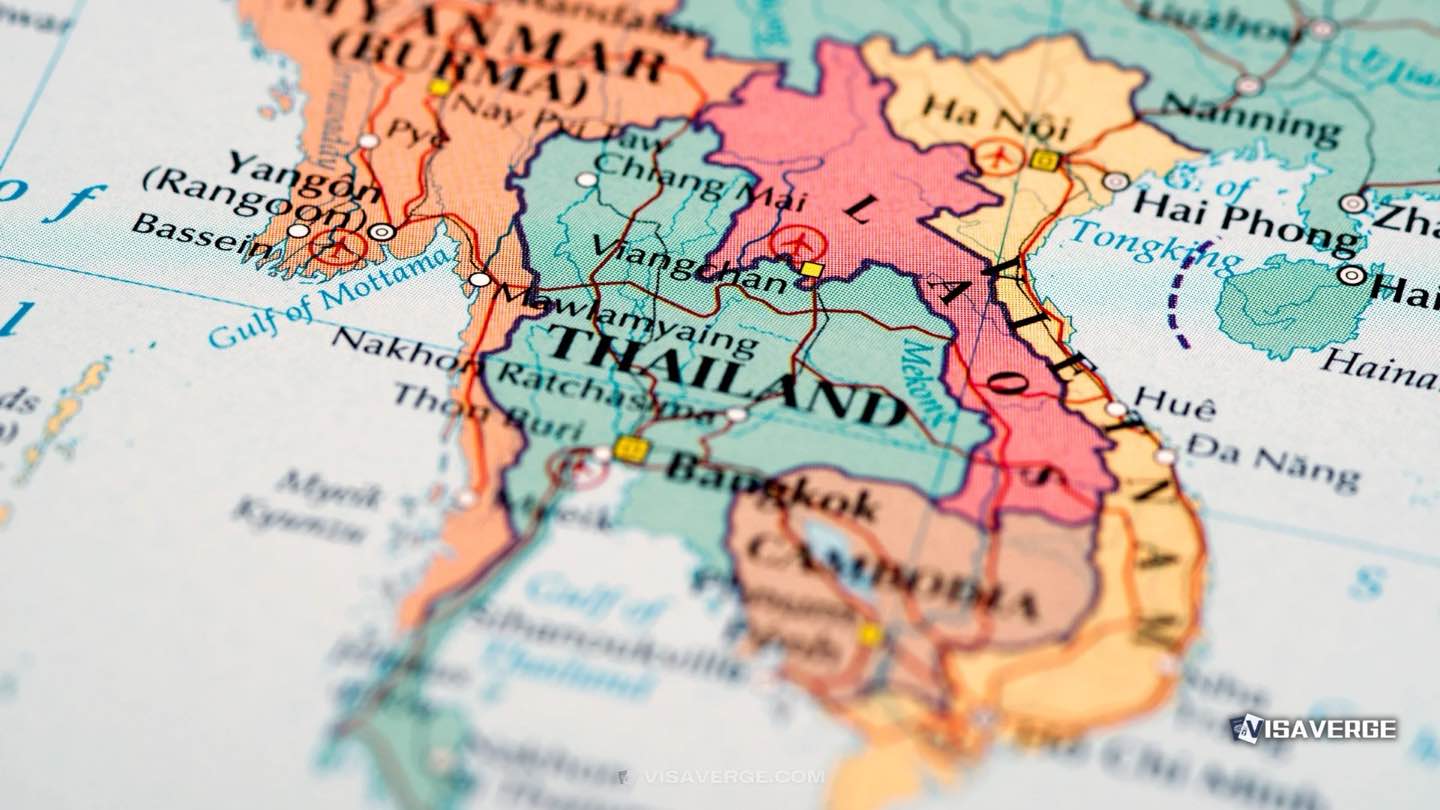
The first track covers about 60 economies. Thailand sits in the higher-risk group because it lacks a U.S.-style import prohibition system for forced-labor goods. The second review is broader, and it could add duties above the first rate. The pressure does not land evenly.
Thailand also appears on the U.S. Trade Representative's 2026 scrutiny list for overcapacity, alongside China, the EU, Singapore, Switzerland, Norway, Indonesia, Malaysia, Cambodia, Korea, Vietnam, Taiwan, Bangladesh, Mexico, Japan, and India. The field is crowded. Thailand is not alone.
Kirida Bhaopichitr, Thailand's Vice Minister for Commerce, said Thailand is facing two major U.S. cases. Commerce Minister Supajee Sutumpun traveled to Washington to press for an Agreement on Reciprocal Trade and to argue that Thailand's local content in machinery, automobiles, and rubber products is 70% to 90%. The government has tightened import screening for goods potentially linked to forced labor and is preparing a formal submission. The paperwork is moving.
One case starts with labor, the other with capacity
| Track | Scope | Tariff path | Thai exposure |
|---|---|---|---|
| Labor-linked imports | about 60 economies; Thailand in the higher-risk group | could start at 12.5% for countries without import bans on labor-linked goods, or 10% where enforcement is weaker | fisheries, seafood, steel, electronics |
| Overcapacity review | Thailand plus China, the EU, Singapore, Switzerland, Norway, Indonesia, Malaysia, Cambodia, Korea, Vietnam, Taiwan, Bangladesh, Mexico, Japan, and India | additional duties could stack above the first rate | automotive, rubber, machinery |
As of July 21, 2026, no final U.S. announcement had locked in Thailand's tariff outcome or implementation date. The decision remained pending.