- The U.S. launched Section 301 investigations into 16 major trading partners over manufacturing capacity.
- India, China, and the EU are among those facing potential new tariffs and trade pressure.
- The probes examine structural excess capacity to determine if foreign practices unfairly burden American commerce.
(WASHINGTON) — The United States opened new Section 301 investigations into 16 major trading partners on March 11, 2026, widening scrutiny of what it calls “structural excess capacity” in manufacturing and reviving the prospect of renewed U.S. tariff pressure.
The U.S. Trade Representative said the probes will examine whether the targeted economies’ acts, policies, and practices related to “structural excess capacity and production in manufacturing sectors” are unreasonable or discriminatory and burden U.S. commerce.
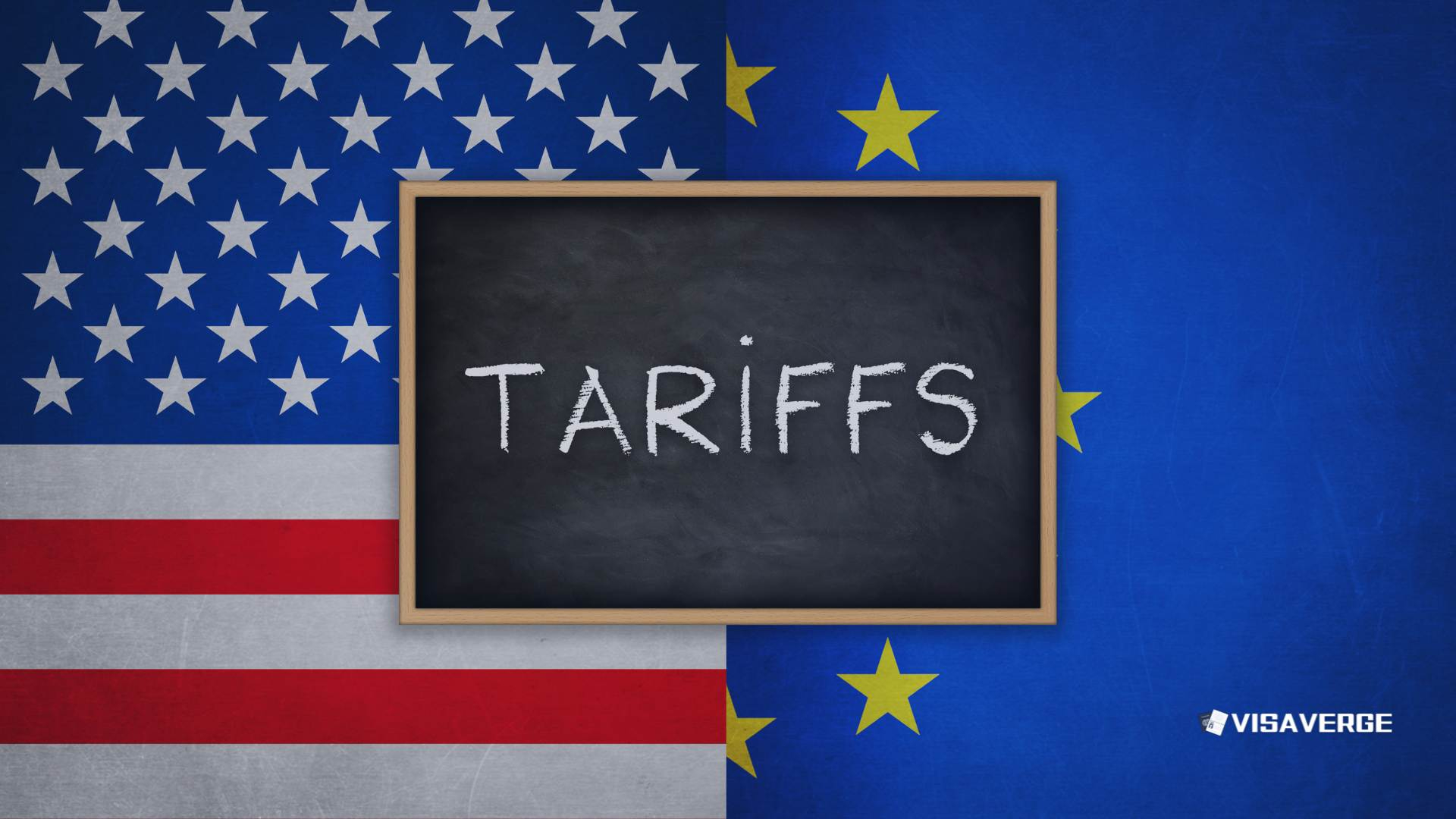
The investigations do not impose tariffs now, but they set up a formal trade-law process that can later support tariffs or other retaliatory measures under Section 301 of the Trade Act of 1974.
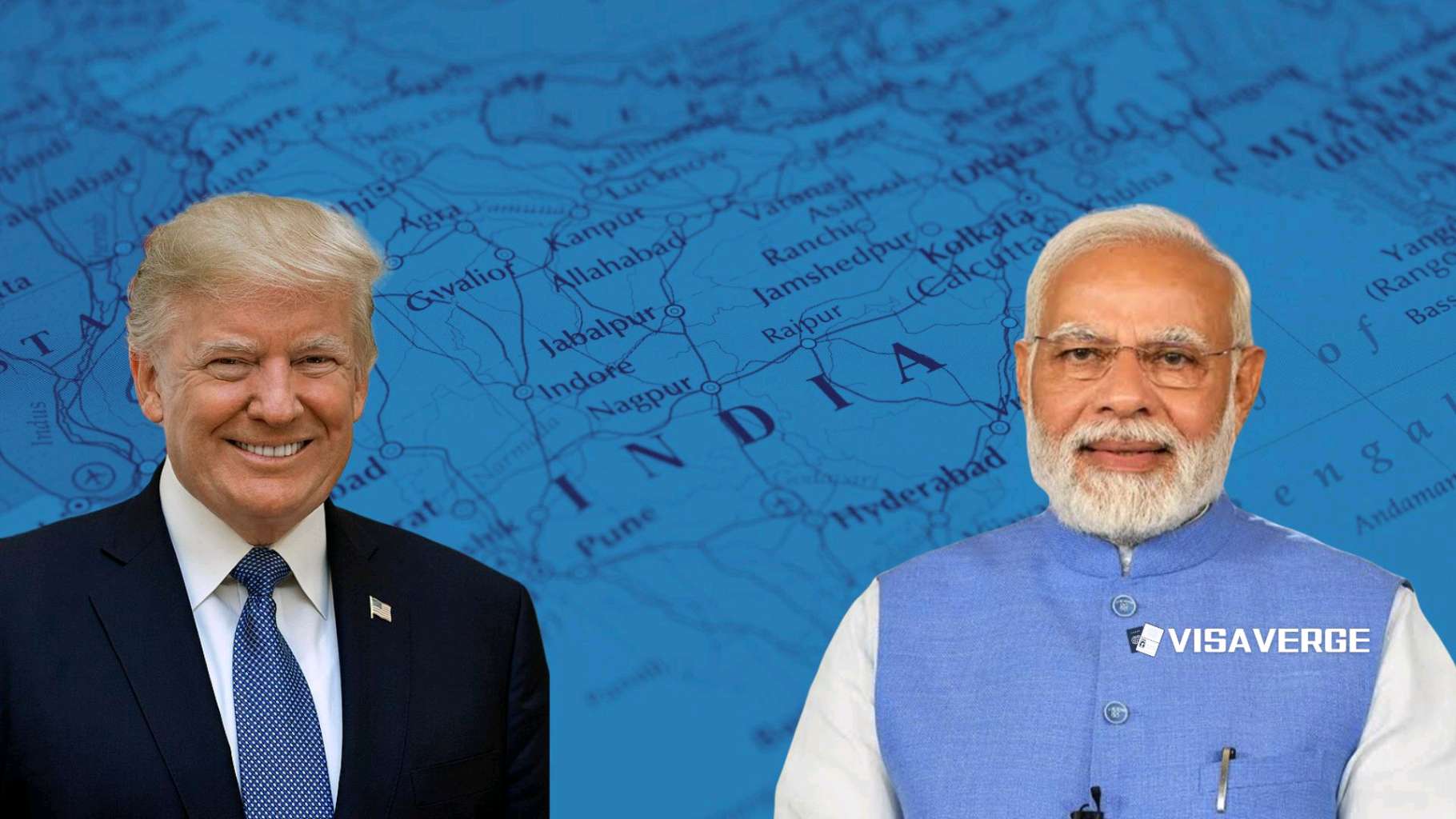
India is among the economies named in the action, alongside China, the European Union, Japan, South Korea, Mexico, Taiwan, Vietnam, Thailand, Malaysia, Cambodia, Singapore, Indonesia, Bangladesh, Switzerland, and Norway.
The USTR framed the cases around manufacturing production conditions that it views as unfair to U.S. producers and restrictive to U.S. commerce. The focus, it said, is structural excess capacity and related production in manufacturing sectors.
Officials are examining whether foreign government actions create conditions that unfairly burden U.S. producers and restrict U.S. commerce. The administration has not issued a tariff order as part of the announcement.
Instead, the investigations establish a record that could later form the basis for Section 301 remedies. Those can include tariffs or other retaliatory measures.
The move comes after a recent U.S. Supreme Court ruling weakened much of the administration’s earlier tariff framework. Against that backdrop, Section 301 stands out as a more established trade-enforcement tool with a stronger litigation history and a record of prior use in President Trump’s first term, especially against China.
Nearly all of the targeted economies run significant goods trade surpluses with the United States, a factor that helps explain why they were selected. India sits within that broader group of major trade relationships tied to manufacturing-linked commerce.
Market reaction in India included a slide in Indian shares partly on renewed tariff-risk concerns. The probe also prompted attention from U.S. market participants and Indian investors watching for the possibility that the investigations become the legal foundation for future duties.
India’s inclusion carries added weight because U.S.-India trade ties have deepened across goods, services, technology, and strategic manufacturing. The announcement, however, also underscores that trade friction persists even as economic engagement broadens.
For globally mobile workers and employers, the cases highlight how trade-law actions can affect business planning well beyond customs filings. Even before any tariff is imposed, the opening of an aggressive trade investigation can add uncertainty that influences hiring, investment timing, and pricing assumptions.
Companies dependent on stable bilateral trade and predictable market access often track this kind of process closely. Tariffs can ripple into export jobs, supply chains, business sentiment, inflation pressure, and the operating environment for international companies.
That matters for Indian professionals, NRIs, students, and employers watching U.S.-India economic ties for signals on business demand. A new tariff cycle, if it emerges, can affect sectors that rely on cross-border trade flows and steady commercial access.
The USTR’s action also places a spotlight on structural excess capacity as a policy concept that can translate into enforcement. The investigations aim to assess whether government-linked actions abroad create manufacturing conditions that the United States considers unfair and harmful to U.S. commerce.
While the cases span 16 economies, they share a single legal route: Section 301. That mechanism can become a channel for tariffs if the administration concludes that the practices it reviewed are unreasonable or discriminatory and burden U.S. commerce.
The broad scope of the targeted list puts multiple manufacturing-linked relationships under the same investigative umbrella. It also raises the possibility that later phases narrow toward particular industries, depending on how the USTR develops the record.
The legal framing matters as much as the economic one because Section 301 cases can take time to build and still move toward tangible penalties. The administration’s new cases could support tariffs as early as this summer.
For employers with cross-border operations, the immediate issue is not a new duty at the port. It is the risk that future tariff steps reshape cost forecasts and supply-chain decisions, which can feed into staffing plans and investment posture.
Trade tensions can also affect commercial confidence across borders, particularly for companies that make long-term bets in manufacturing supply chains, logistics, and export-oriented production. The probe’s emphasis on manufacturing sectors puts those areas squarely in view.
Electronics, industrial goods, logistics, and export-oriented production sit among industries exposed to trade enforcement and duty risk when investigations advance toward remedies. Any later tariff actions could influence purchasing, vendor relationships, and expansion decisions.
For international students and foreign workers employed by multinational firms, those business shifts can matter indirectly because they can influence which projects get funded and where companies add headcount. The USTR action does not change visas, but it can shape the economic climate around sectors that employ international students, H-1B workers, multinational managers, and cross-border service teams.
India’s position in the investigations may draw particular attention because U.S.-India ties extend across technology services and manufacturing supply chains. When Washington escalates trade enforcement involving India, internationally connected firms often reassess exposure, including how they price exports and structure procurement.
The probe also adds a new variable to broader U.S.-India economic talks, especially where industrial policy and export competitiveness overlap with manufacturing strategy. Whether the USTR ultimately narrows toward country-specific remedies involving India remains a central question for businesses tracking the case.
The same uncertainty applies across the wider list of targeted economies. With China, the European Union, Japan, South Korea, Mexico, Taiwan, Vietnam, Thailand, Malaysia, Cambodia, Singapore, Indonesia, Bangladesh, Switzerland, and Norway included, the investigations create a shared policy risk that can touch multiple supply chains at once.
For workers and families whose plans depend on stable cross-border business ties, the timeline and scope of the cases will matter. A Section 301 investigation starts as a legal and policy process, but it can evolve into measures that affect costs, jobs, mobility planning, and commercial confidence.
What comes next depends on whether the USTR narrows the focus to specific industries or keeps the investigations broad, and on whether the administration pursues remedies that concentrate on certain partners. India’s place on the list, alongside many of America’s largest manufacturing-linked trade relationships, ensures close scrutiny of how the process develops.
For now, the administration has launched an early-stage trade action that sets up potential retaliation under Section 301. The investigation into “structural excess capacity and production in manufacturing sectors” does not impose tariffs today, but it opens a path that could reshape trade conditions and business decisions in the months ahead.