- Retailers are frontloading merchandise shipments ahead of crucial trade policy deadlines on July 22 and twenty-fourth.
- U.S. container imports are projected to reach a record two point forty-seven million TEU in July twenty-six.
- New trade policies include a 25% tariff on Brazil and expiring temporary global Section one twenty-two tariffs.
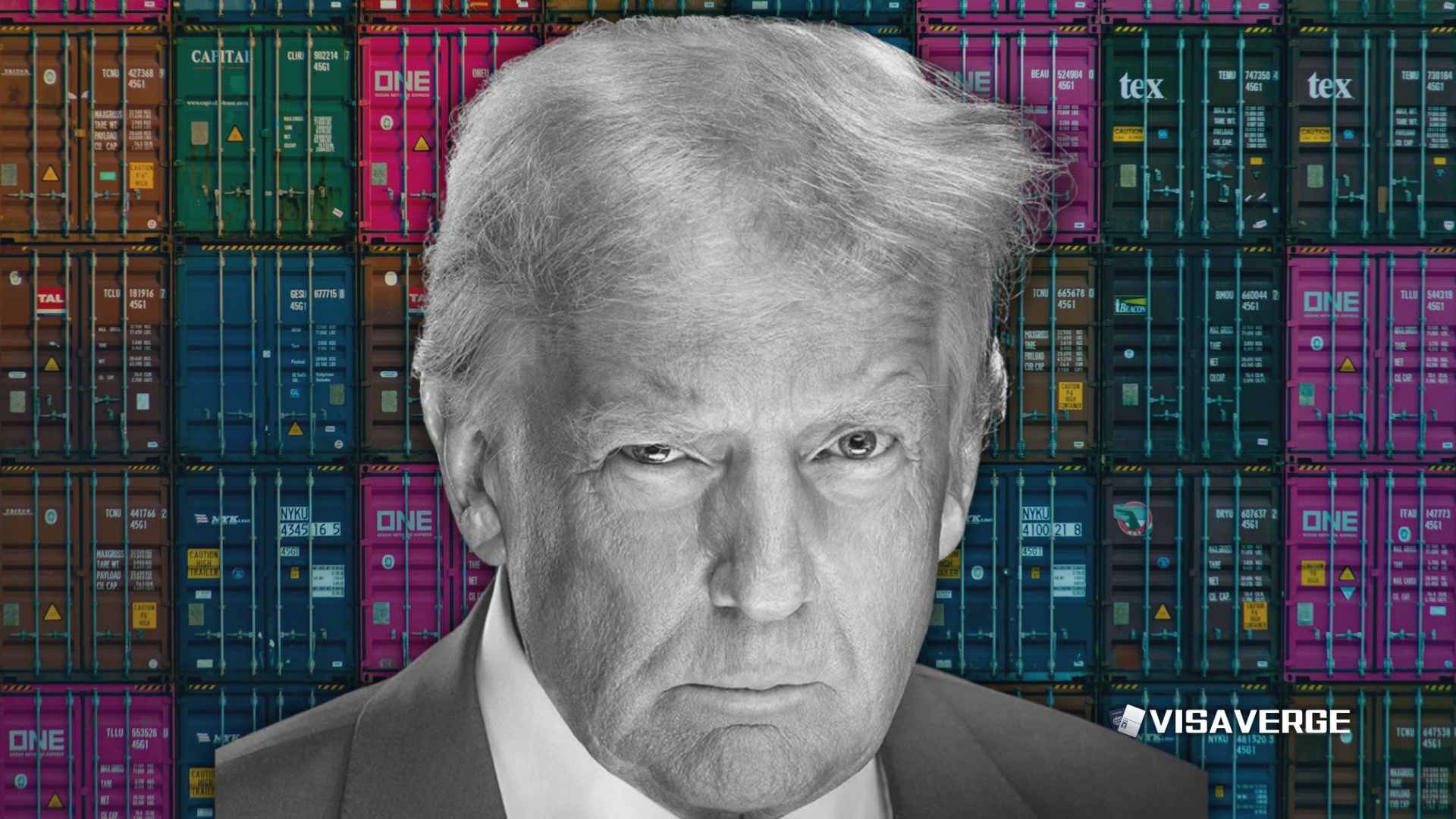
Retailers are pulling merchandise into the United States in July as Trump tariffs create a narrow window before several trade-policy changes. Port traffic and freight demand are rising ahead of deadlines on July 22, 2026, and July 24, 2026.
The White House announced a 25% tariff on Brazil that takes effect July 22. Beef, orange juice, energy products, and aircraft parts are excluded.

Importers are also watching a separate proposal tied to forced-labor enforcement. It could affect about 60 countries, with public hearings beginning July 7, 2026.
Temporary 10% Section 122 global tariffs are scheduled to expire July 24. That deadline is adding pressure to cargo schedules already crowded by advance holiday shipments.
Shipping executives said retailers are moving orders forward by four to six weeks. Apparel, electronics, and seasonal merchandise are among the products arriving earlier.
“There is an expectation that tariffs could be raised again, or restored to previous levels, so everyone is rushing to get goods in before that happens.”
Tony Meng, a senior sales manager at XPD Global in China, said the expectation is driving the rush. Retailers are seeking space before possible changes later in the year.
Ports are handling a record-sized July import push
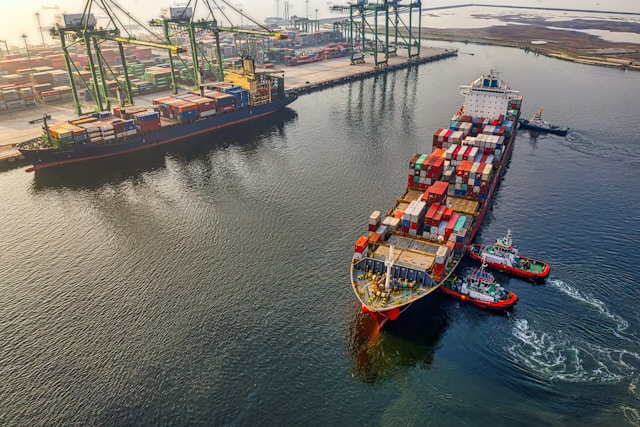
The National Retail Federation said port volumes rose 19% year over year in June as companies frontloaded shipments ahead of tariff changes. The trade group and Hackett Associates projected U.S. container imports could reach 2.47 million TEU in July 2026.
That would be a monthly record. Retailers are pulling forward holiday and seasonal inventory as they prepare for possible tariff increases in August.
The surge is extending an early peak shipping season. Jonathan Gold, Vice President for Supply Chain and Customs Policy at the National Retail Federation, said the season should continue through July as businesses prepare for potential tariff increases in August and other trade uncertainty.
Noel Hacegaba, CEO of the Port of Long Beach, said retailers are stocking up ahead of anticipated trade-policy shifts later in the summer.
More cargo is bringing higher freight costs
Importers are moving apparel, electronics, and seasonal merchandise ahead of possible duty increases. The rush is also tightening demand for vessel space bound for U.S. ports.
Freight costs are rising.
Carriers and shippers are absorbing the increased demand for space, according to the research. The cost pressure is reaching businesses as they organize earlier shipments around changing tariff schedules.
Companies with tariff expertise are using pricing strategies and legal challenges to manage their exposure. Some businesses are raising prices on selected goods to offset duties on others.
The approach does not end the policy uncertainty. Retailers still face the Brazil measure, the July expiration of the temporary global tariffs, and the proposed action involving about 60 countries.
Gold said the early peak shipping season is expected to continue through July. Businesses are preparing for possible tariff increases in August and other trade uncertainty, while import volumes build ahead of the July deadlines.